
Joey Logano, a three-time NASCAR Cup Series champion, anticipates that the return of the Chase playoff format for the 2026 season will significantly reduce the desperate and reckless driving that has characterized recent years. With the new system emphasizing consistent performance rather than a single race win, Logano believes this will improve racing conduct and reduce aggressive incidents on the track.
Since the current format introduced in 2014 and further altered by stage racing in 2017 prioritized race wins to qualify for playoffs, many drivers took aggressive risks to secure a spot in the championship. However, with the comeback of the Chase, only the top 16 drivers based on season-long performance will advance, a change that Joey Logano and teammate Ryan Blaney agree will alter the competitive atmosphere.
Reduction in Risky Driving Under the Revised Playoff Structure
Under the previous system, any driver who won at least one race during the first 26 events earned a guaranteed playoff berth, often causing drivers struggling in the standings to attempt risky moves and occasionally wreck leaders intentionally or unintentionally in pursuit of a win. This “win-and-get-in” approach frequently undermined driver etiquette and led to erratic racing.
The reintroduced Chase format will reward steady, season-long success rather than isolated victories, encouraging safer and more strategic driving. Ryan Blaney expressed confidence that reckless behaviors motivated purely by desperation would decline, a sentiment Logano endorses.
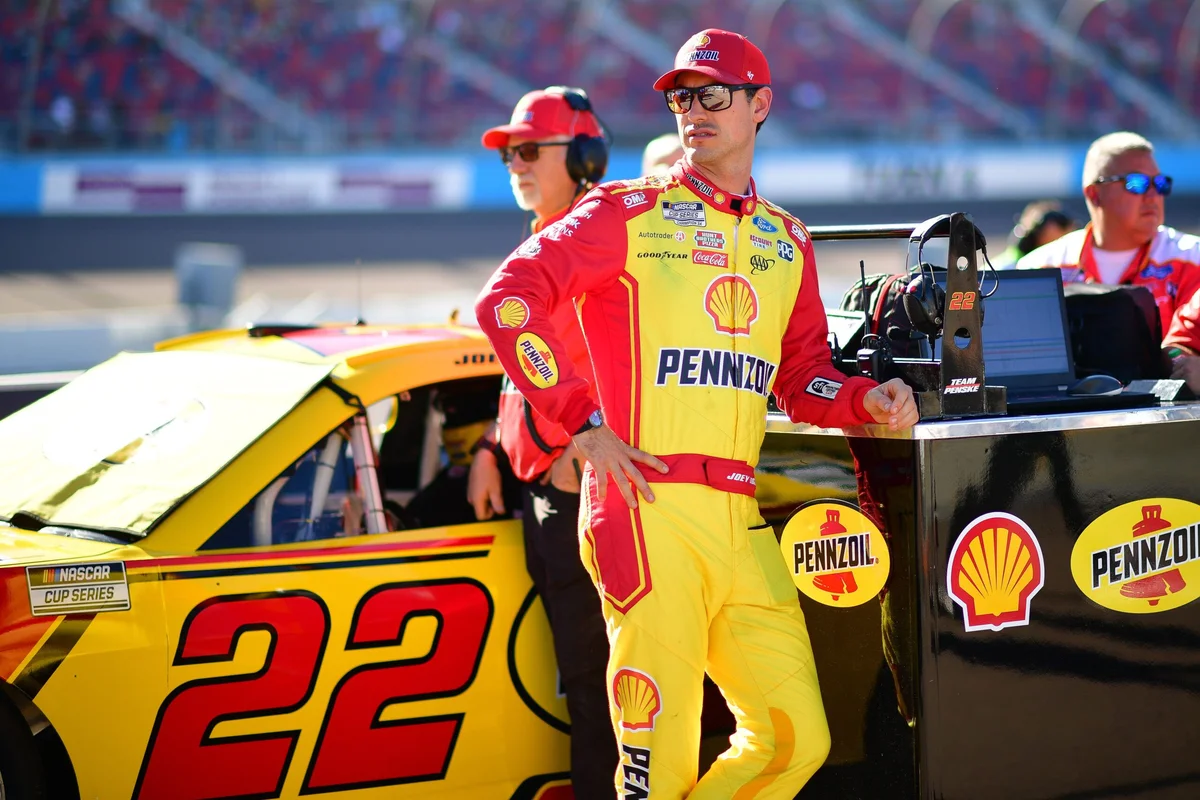
When asked about potential changes in racing behavior with the Chase format, Logano commented,
“Yeah, 100%. I mean, desperate people do desperate things, right? We see that in life, no matter where you are, when your back’s up against the wall, what are you willing to do? This kind of clears a little bit of that up. For good or bad, it probably depends on who you are,”
— Joey Logano, NASCAR Cup Series driver
Logano’s remarks highlight that while desperation may not disappear entirely, many drivers will find fewer reasons to resort to reckless tactics because the playoff qualification is based on consistent ranking instead of isolated wins. This change should lead to a healthier competitive environment and fewer dangerous incidents on the track.
Drivers like Kyle Busch have echoed concerns about aggressive driving among the newer generation, warning veteran Tony Stewart ahead of his return and drawing attention to the number of intentional wrecks during races. Logano himself has been a target of these aggressive maneuvers.
Historic Incident Illustrates the Desperation Problem in Recent Seasons
A vivid example of desperation’s impact occurred at Richmond Raceway in 2024 during a NASCAR Cup Series race. Joey Logano had positioned himself strongly for a win, despite qualifying ninth, showing competitive pace throughout the weekend. Meanwhile, Austin Dillon, who had struggled for consistency that season, was running in second place during overtime but saw his chances slipping away.
In a desperate attempt to secure a win, Dillon intentionally collided with Logano’s car, sending Logano into the wall and removing a leading contender from the race. Dillon continued by wrecking the new leader, Denny Hamlin. Although Dillon won the race, NASCAR ruled against him for intentional wrecking, denying him a playoff spot despite the victory. This incident starkly highlighted how the previous playoff system encouraged reckless risks by drivers desperate for a win.
AUSTIN DILLON TURNS JOEY LOGANO TO WIN AT RICHMOND! 👀 pic.twitter.com/R8FXVNrzAK
— FOX: NASCAR (@NASCARONFOX)
The event encapsulates why NASCAR’s return to the Chase format is widely viewed as a means to discourage such dangerous tactics and reward steadier, more disciplined racing.
Expectations for Improved Sportsmanship and Championship Integrity
Joey Logano and Ryan Blaney, representing some of the sport’s top drivers, agree that eliminating the “win to get in” rule will foster a more respectful racing environment. This change will likely bring fewer high-risk, do-or-die situations that have previously marred races, preserving both driver safety and the integrity of competition.
By focusing the playoffs on the most consistent performers over the entire season, NASCAR aims to ensure that only the best drivers compete for the championship in the final events. With no eliminations in late-season races, the overall conduct on the track is expected to improve, steering the sport away from reckless moves born out of last-minute desperation.
This transformation may also begin to regain the faith of veteran drivers like Kyle Busch, who has criticized the aggressiveness of the younger generation in recent years. The return to the Chase format could signal a renewed emphasis on skill and consistency over opportunistic aggression within the NASCAR community.
As the 2026 season approaches, fans, drivers, and commentators alike will watch closely to see if this format reset lives up to its promise of ending desperate racing tactics and restoring a more disciplined, strategic approach to NASCAR competition.
AUSTIN DILLON TURNS JOEY LOGANO TO WIN AT RICHMOND! 👀 pic.twitter.com/R8FXVNrzAK
— FOX: NASCAR (@NASCARONFOX) August 12, 2024
