
Following the recent resignation of Steve Phelps, NASCAR’s president, Kyle Busch has expressed nuanced viewpoints regarding the leadership shift. The announcement, which came after a high-profile lawsuit wrapped up in December 2025, sparked widespread changes within NASCAR, including new policies such as permanent charters. Busch highlighted the complexities surrounding Phelps’ departure, emphasizing both the challenges and potential opportunities accompanying the transition. As one of NASCAR’s most prominent drivers, Busch’s reflections shed light on the uncertain yet hopeful future shaped by this change.
Assessing Steve Phelps’ Mixed Legacy
The past year placed heavy scrutiny on Steve Phelps, largely due to controversies revealed during the lawsuit, which included derogatory comments he made about influential figures like Richard Childress, who owns a top Cup Series team. Phelps had described Childress with terms such as ‘redneck’, ‘idiot’, and ‘dinosaur’, highlighting tensions between leadership and team owners. Despite these issues, Phelps also had notable achievements as president since 2018—overseeing NASCAR’s purchase and privatization of the International Speedway Corporation in 2019 and launching the Next-Gen car in 2022.
Kyle Busch acknowledged these positive contributions, pointing to Phelps’ marketing successes, including the creation of the premier partner system in 2019, which enabled multiple companies to serve as primary sponsors simultaneously for NASCAR’s highest level. Phelps also played a critical role in enabling NASCAR to be the first major American sport to resume competition after the COVID-19 pandemic stalled events in 2020. By expanding NASCAR’s appeal through innovative race formats such as the Clash at the Los Angeles Memorial Coliseum, the Chicago Street Race, and the first Cup Series race held in Mexico, Phelps brought new audiences and excitement to the sport.
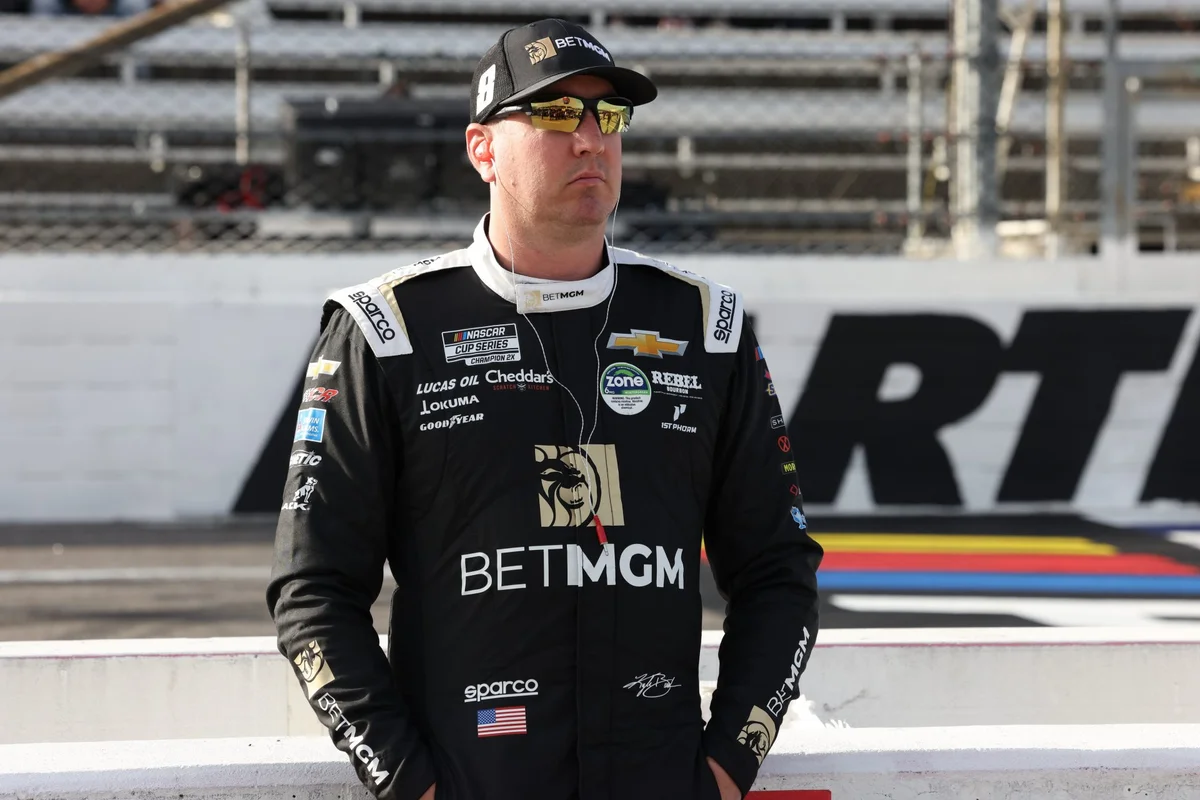
Kyle Busch’s Perspective on Leadership Transition
Busch voiced a candid assessment of the vacated role, acknowledging the tough shoes left by Phelps. In an exclusive statement, he said,
“I don’t know the ins and outs of all of what Phelps did. But, just through some of the rumblings, his ability to be able to talk amongst all of the key partners, right—the OEMs and league personnel below him. Then, of course, the teams, owners, things like that, TV people, radio, handling businesses, getting media rights, things—he was very charismatic, is that the right word? So, who does that now is probably a tough spot,”
reflecting on the complexity of the role and the challenge for his successor.
Busch also spoke positively about Steve O’Donnell, the incoming NASCAR president, remarking,
“I don’t know, I don’t mind Steve. I like O’Donnell—I gotta say last names—O.D. Yeah, I like O’Donnell, but there’s their shoes to fill, and whether he is that guy, more power to it.”
This suggests cautious optimism about NASCAR’s new leadership while recognizing the legacy that O’Donnell inherits.
Impact of Leadership Changes on Teams and Fans
The leadership upheaval has stirred varying reactions across NASCAR’s teams. For instance, organizations like 23XI Racing and Front Row Motorsports have expressed dissatisfaction with Steve Phelps’ tenure. Additionally, Richard Childress reportedly considered legal action against Phelps, revealing the fraught relationships Phelps fostered within the sport. Conversely, Hendrick Motorsports (HMS), a powerhouse team in the Cup Series, offered a gracious farewell. In an official statement, HMS said,
“We thank Steve Phelps for his leadership and dedication to NASCAR over the past two decades,”
and added,
“He helped our sport navigate opportunities, challenges, and periods of significant change while positioning it for the future. We appreciate his service and wish him all the best in his next chapter.”
In his own exit statement, Steve Phelps expressed gratitude for his NASCAR journey:
“As I embark on new pursuits in sports and other industries, I want to thank the many colleagues, friends, and especially the fans that have played such an important and motivational role in my career. Words cannot fully convey the deep appreciation I have for this life-changing experience, for the trust of the France family, and for having a place in NASCAR’s amazing history.”
Kyle Busch’s Cautious Outlook Amidst Ongoing NASCAR Developments
As NASCAR enters this new chapter, Kyle Busch remains mindful of the challenges that lie ahead, especially with the sport undergoing significant structural changes following the lawsuit settlement. While Busch conveyed respect for positive elements of Phelps’ contributions, he also highlighted that the sport’s future depends heavily on how well new leadership can maintain vital relationships with stakeholders such as manufacturers, teams, broadcasters, and sponsors.
Busch’s remarks underscore the delicate balance NASCAR must maintain as it navigates evolving formats and intense competition. He commented on the fragile nature of championship runs by saying,
“Any crashes will kill your championship run.”
This captures the high stakes drivers face on the track during a period of transition off it.
Ultimately, Busch’s voice represents a thoughtful perspective within the sport’s shifting landscape. His acknowledgment of past successes, awareness of current uncertainties, and hope for a steady future leadership signal the mixed emotions shared by many in the NASCAR community. The resignation of Steve Phelps and the arrival of Steve O’Donnell not only redefine NASCAR’s executive landscape but will likely influence the sport’s direction in the coming years, including how teams, fans, and sponsors adapt to these pivotal changes.
.@KyleBusch gave his thoughts on NASCAR’s new/old format, testing at @NWBSpeedway, and his friendship with Greg Biffle.
“Any crashes will kill your championship run”#NASCAR pic.twitter.com/HGlnHnAQOh
— Peter Stratta (@peterstratta) January 13, 2026
