
Now in his 21st season in the NASCAR Cup Series, Kyle Busch, a two-time champion, has witnessed the sport’s rise in popularity as well as its sustained decline since the economic slump of 2008 and 2009. Busch attributes this decline not simply to external factors but to a deeper cultural shift impacting NASCAR’s fan base and identity, contributing to the challenges the sport faces in regaining its former appeal.
Despite efforts to revive interest by introducing high-profile events like the Chicago Street Race and increasing road course competitions at locations such as Circuit of the Americas and the Iowa Speedway, NASCAR continues to struggle with maintaining relevance among older and newer audiences alike.
The Changing Culture Behind NASCAR’s Fading Fanbase
Busch identified a significant cultural transformation that underlies the decline in NASCAR fandom. He noted how in previous decades, a generation of enthusiasts—often car hobbyists who modified vintage American muscle cars from the ’70s and ’80s—drove passion for stock car racing. As these fans have aged, their sons and the younger generation are increasingly drawn to other interests.
I think it’s a culture problem, and I say that in regard to the world culture. In the ’80s and ’90s, you had a bunch of Hot Rod guys who were cool with souping up their 1970s, 1980s street rods. A lot of those guys are aged out.
—Kyle Busch, NASCAR driver
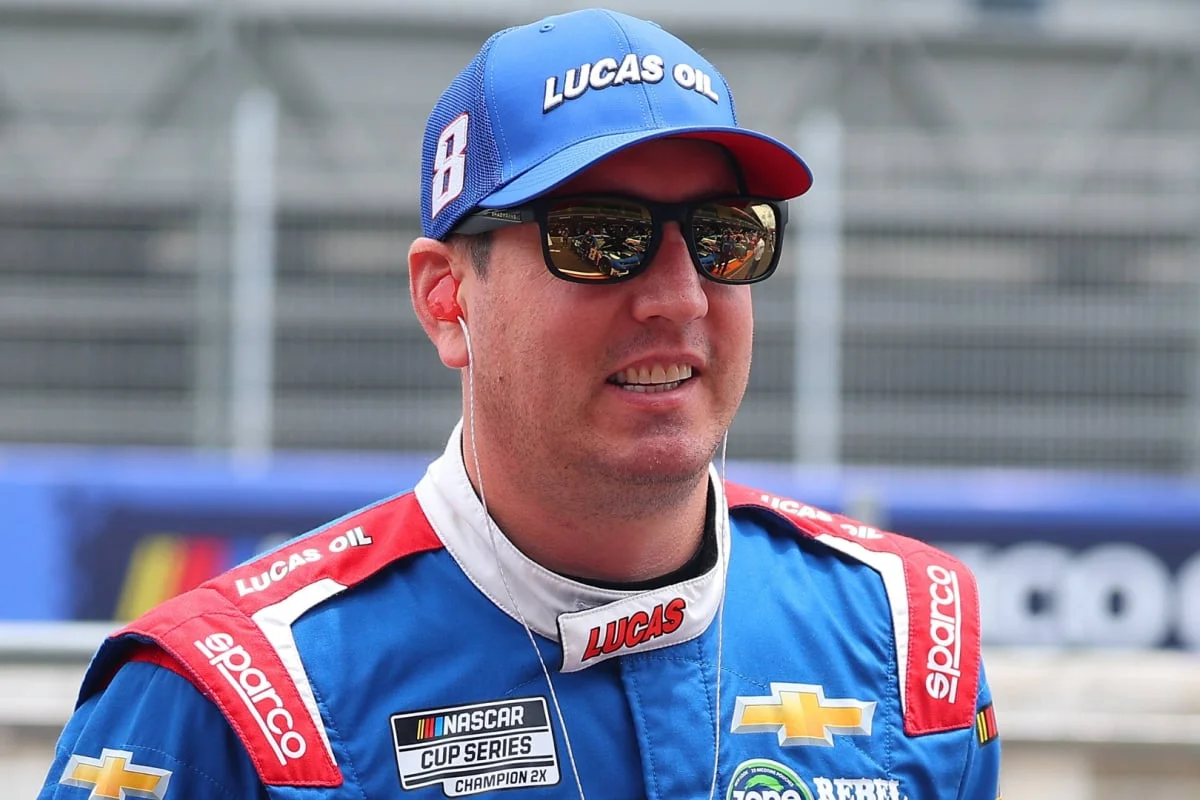
Many of today’s youth prefer activities such as video games, drift racing, and customizing import cars rather than maintaining the Detroit muscle cars their parents admired. This shift has weakened NASCAR‘s traditional fan base, making it harder to attract new followers to stock car racing.
I just think the problem we’re running into is there’s not a lot of race fans anymore,
Busch said. He points out that families used to bring children to races regularly, but with more leisure options available—like trips to the lake or visits to entertainment venues—fewer kids are exposed to live racing events.
No offense, but we just stood outside, right? It’s 90-something degrees outside. Who wants to sit in metal bleachers under the sun for three hours? If you’re out there, God bless you. More power to you. I appreciate that. We need to do more for those people who are here and who give us their time and their money. But you’re not going to find me out there.
—Kyle Busch, NASCAR driver
Hope for the Future: The Role of Next-Generation Racers
Kyle Busch’s perspective is uniquely informed by his family situation. At 40, Busch watches his 10-year-old son, Brexton, develop as a racer with potential to continue his father’s NASCAR legacy. Similarly, 13-year-old Keelan Harvick, son of former champion and current broadcaster Kevin Harvick, represents another promising young talent who could help renew interest in the sport.
Although Brexton Busch and Keelan Harvick might symbolize NASCAR’s future, growth depends heavily on the sport’s ability to reinvent itself and capture the attention of new, younger fans. NASCAR’s expansion into international venues, such as the recent race in Mexico City and the planned return in 2027, as well as innovative events like next year’s first-ever street race at Naval Base Coronado in San Diego, are part of this strategic effort.
This military base race aligns with the U.S. military’s 250th anniversary celebration, reflecting NASCAR’s attempts to connect with broader audiences and new markets.
Impact of Safety Improvements on NASCAR’s Thrill Factor
Busch also described how NASCAR’s transition to enhanced safety measures has affected fan enthusiasm. In earlier days, part of the sport’s allure was rooted in the danger drivers faced, with fans anxious about crashes and injuries. The death of Dale Earnhardt in 2001 was a stark example of the risks involved.
A little bit of it too was, back in that day, guys were getting hurt, the speeds were getting faster, cars were getting a little bit safer, obviously we lost Dale (Earnhardt), but there was this sense of ‘What are these guys going to do next? What’s this next crash going to look like? Are they going to come out of it OK?’
—Kyle Busch, NASCAR driver
With the introduction of innovations like the HANS device and soft walls, drivers are now far safer, but this has simultaneously lessened the dramatic excitement that some fans sought. Busch acknowledged the effect on the sport’s appeal.
Now it seems like everything is neutered,
he said.
I got hurt in 2015, so I can talk, but nobody really gets hurt. The safety aspect isn’t there. So there’s not this Evel Knievel type thing happening anymore. It’s just going to watch a race on Sunday and people feel like that’s boring.
—Kyle Busch, NASCAR driver
While the reduction of serious injuries is undoubtedly positive, the loss of perceived risk has, paradoxically, made the sport less thrilling for some viewers who once tuned in for the high-stakes drama of wrecks and crashes.
