
Richard Childress Racing’s Kyle Busch has experienced a challenging stretch since the introduction of the Next-Gen car, ending back-to-back regular seasons winless and missing the playoffs through 2023 and 2024. Former NASCAR champion Kevin Harvick attributes Busch’s prolonged slump largely to the changes brought by the Next-Gen car, which has altered the driving style and car dynamics that once propelled Busch to success.
Kevin Harvick Points to Next-Gen Car as Root of Kyle Busch’s Struggles
Kevin Harvick recently discussed Kyle Busch’s decline on the Happy Hour podcast, emphasizing that the Gen-7 Next-Gen car has fundamentally disrupted the driving style that made Busch a champion. In contrast, rival drivers, including Joey Logano, have adapted well to the new era, winning multiple titles since the car’s introduction. Notably, Busch’s teammate Austin Dillon has also found success in 2024 and 2025, securing wins and a playoff berth, highlighting Busch’s difficulties more starkly.
Harvick explained that Busch’s former strength lay in his ability to push his car beyond normal limits while managing its preservation, a skill that has been tempered by the new car’s design. Harvick contrasted Busch’s struggles with the dominance of HMS driver Kyle Larson, who has mastered the latest generation of vehicles.
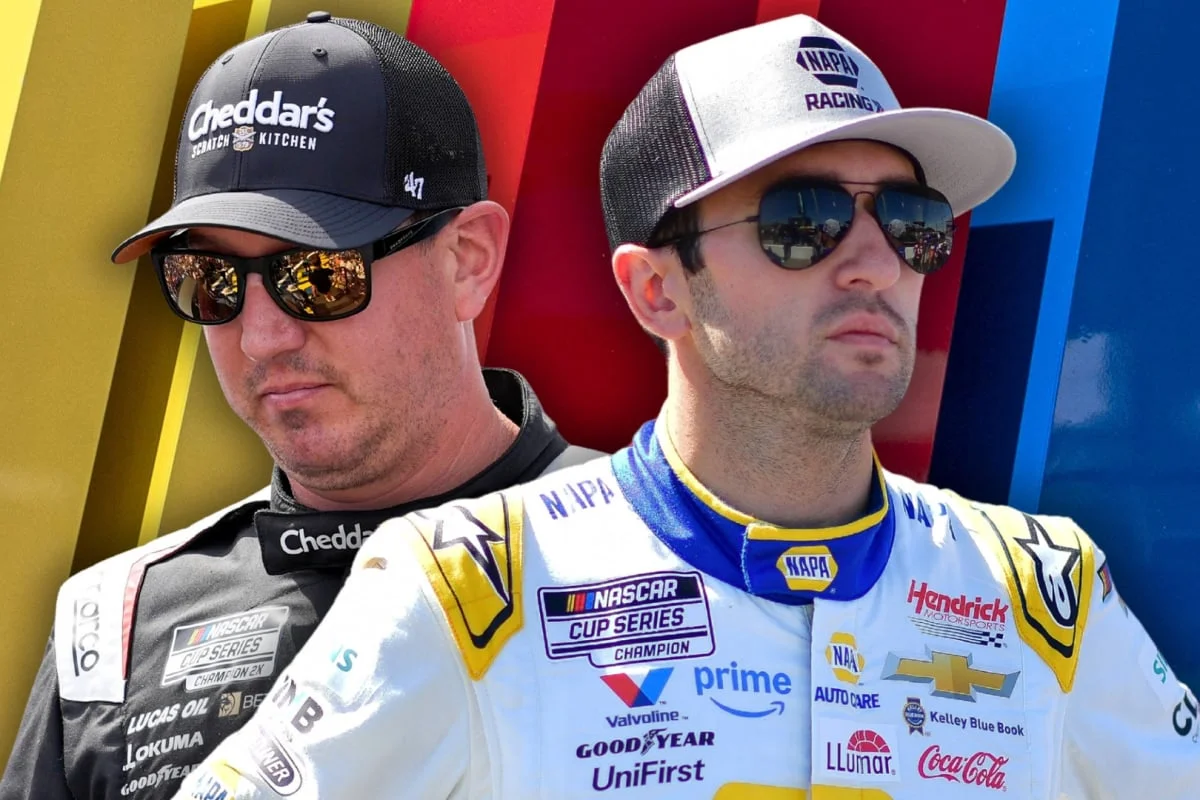
“I think this car has totally disrupted everything that has made Kyle Busch good. Everything that made Kyle Busch good up until this Gen-7 car was the fact that he could drive it over the limit, save the car and he could tell you every single thing that you needed to put in the car to make it go fast. He knew the springs, he knew the shocks — he knew everything that was going on…”
—Kevin Harvick, Happy Hour podcast
Harvick underscored that Busch no longer possesses the intricate understanding of car mechanics and setup adjustments that once defined his approach, which has significantly hindered his performance as the car specifications have changed.
How the New Car’s Design Has Changed Racing Dynamics
The former Stewart-Haas Racing driver also elaborated on the differences in vehicle construction and aerodynamics with the Next-Gen car, noting that the level of customization specific to a driver’s style has diminished. Teams now work with more standardized aero packages and chassis setups, which affects how drivers like Busch can adapt their driving techniques.
“It’s a way different dynamic of what it takes to make this car go fast. You’re not building cars that are specifically built to your driving style and from an aero balance standpoint. You’ve got what you got. Every time that this 8 car is in position, it’s a spinout, a wreck, or something on pit road, or something happens that’s going on and just can’t finish the deal.”
—Kevin Harvick
This shift has resulted in more frequent incidents involving Busch’s No. 8 Chevy, including crashes and pit road errors that have been costly in terms of race finishes and overall team performance.
Industry Perspectives on Busch’s Decline Affecting NASCAR
Senior NASCAR journalist Jeff Gluck highlighted on The Teardown podcast the broader consequences of Kyle Busch’s poor form, pointing out the impact on both his team and the sport. Gluck stressed that Busch’s struggles affect Richard Childress Racing’s relevance and the sport’s overall appeal.
“Kyle Busch is better. The sport is better when Kyle Busch is better. Especially driving for RCR. Yeah. Like if Kyle Busch was winning races and contending, he makes RCR more relevant. People love RCR. They’ve kind of got this rough-and-tumble image. Now for the first time in Bush’s career, by the way, has gone two straight years of failing to make the playoffs, which is just absolutely mind-blowing.”
—Jeff Gluck
Gluck’s remarks underscore the rarity of Busch’s absence from playoff contention, an unprecedented occurrence for a driver known for consistent performances and high-profile wins throughout his career. The veteran racer’s massive fanbase and the attention he draws in the motorsport community further amplify the significance of his current slump.
Comparative Success Within the Team and Possible Recovery Paths
The contrast between Busch and his teammate Austin Dillon’s performance adds pressure on Busch to regain competitiveness. Dillon’s ability to secure victories and playoff appearances since the Next-Gen car’s entry highlights Busch’s adaptation challenges. While other competitors such as Kyle Larson continue to excel with the new car generation, Busch is still seeking a breakthrough in 2024 to end the winless stretch.
How Busch will adjust to this ongoing shift in car technology remains a focus for analysts and fans. His previous mastery of vehicle dynamics and mechanical feedback made him a formidable contender, and a return to those strengths—or the development of new skills suited to the Gen-7 car—will likely determine his future success.
The Broader Implications for NASCAR’s Competitive Landscape
Busch’s struggles raise questions about the impact of technological shifts on veteran drivers versus emerging talents. The Next-Gen car has changed racing strategies and driver techniques, benefiting those who evolve quickly while marginalizing others who struggle to recalibrate. This transformation affects not only individual drivers but also team strategies and fan engagement.
As Busch adjusts to these challenges, the sport watches closely, aware that his rebound could restore balance and intensify competition in NASCAR. The lasting effects of these car changes emphasize the importance of adaptability in the modern racing era.
