
NASCAR star Kyle Busch has shed light on the staggering cost required for drivers to secure a seat in the NASCAR Cup Series, estimating it to be between $6 million and $8 million. This revelation highlights the significant financial demands of motorsport, where budgets can sometimes exceed millions, and drivers occasionally pay their way onto the grid.
Motorsport has long been known as an expensive sport, with NASCAR teams spending vast sums annually to cover operations, often relying heavily on sponsorship funding. While drivers like Kyle Busch and Joey Logano earn their positions through talent and race performance, pay drivers—those who bring significant financial backing—remain a key part of the NASCAR ecosystem. Busch shared his insight into the costs drivers face at different competition levels within NASCAR.
Overview of the Financial Investments Needed for NASCAR Seats
Kyle Busch outlined the approximate fees a pay driver might expect to pay in order to race in the NASCAR series. According to Busch, securing a Cup Series seat generally requires an investment of six to eight million dollars. For drivers aiming to compete in the tier below—the Xfinity Series—the cost is somewhat lower, ranging from $4.5 million to six million. In the Truck Series, the entry-level professional series, Busch suggested the cost to field a vehicle is about three million dollars.
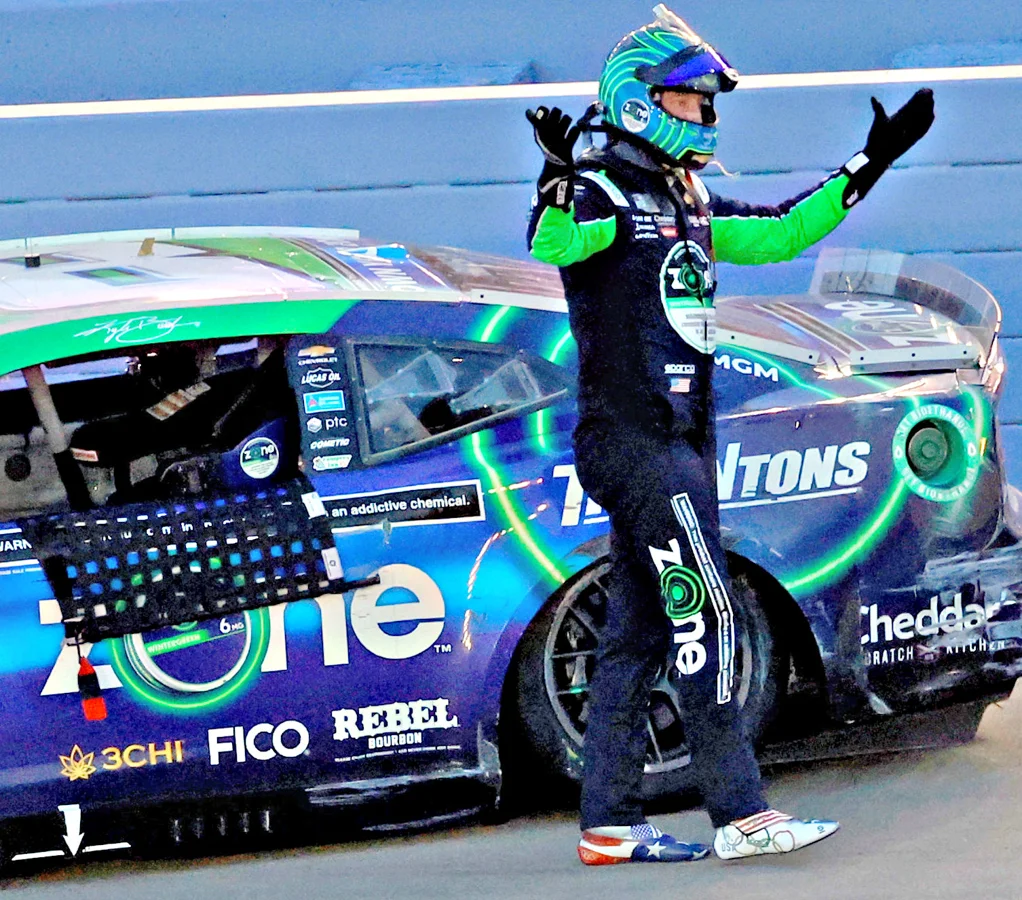
“Cup Series is probably around if you got six to eight million bucks. Xfinity Series ride, if you’ve got between four-and-a-half to six million. [For Truck Series] You probably need about three million bucks to run a truck.”
Kyle Busch said on GOLF’s Subpar podcast.
Though these figures are unofficial and based on Busch’s experience, they provide insight into the high financial barriers within NASCAR. These amounts are substantial but still modest compared to Formula 1, where drivers like Lance Stroll have reportedly paid around $40 million annually for a cockpit seat.
William Byron’s Journey and Misconceptions about Pay Drivers
William Byron, who debuted in the Cup Series with Hendrick Motorsports in 2018, exemplifies the complex nature of pay driver discussions. Initially supported financially by his father’s company, Byron Financial, Byron benefited from an influx of funding that helped him enter NASCAR’s top level early. Despite this backing, Byron has earned respect in the sport with consistent performance and hard work.
Kyle Busch defended Byron against accusations of being merely a pay driver, emphasizing the young driver’s dedication and ability to compete on merit. He highlighted Byron’s intelligence and diligence as key factors in his development and success.
“He worked at it. He was very smart and diligent at it. And did a great job of being able to understand the vehicles and how to make himself successful in those vehicles.”
Kyle Busch added.
Indeed, Byron has firmly established himself as a strong contender within the NASCAR Cup Series. Veteran driver Kevin Harvick even predicted Byron as a potential winner of major events such as the Coca-Cola 600, underscoring his competitive legitimacy.
Impact of Financial Barriers on Emerging Racers
The reliance on financial backing to enter and succeed in professional racing remains a major challenge. Pay drivers with substantial resources often have easier paths from junior series upwards, which can disadvantage talented racers without deep pockets. This economic system persists not only in NASCAR but also in other motorsports such as Formula 1, creating obstacles for many promising drivers whose families cannot afford the high costs.
While the pay driver model sustains much of the sport’s financial structure, it raises concerns about fairness and accessibility, prompting calls for reform that could better support talent over money. Until changes occur, the reality is that motorsport will continue to require significant financial investments, affecting who gets the chance to compete at the highest levels.
