
Kyle Larson, a prominent NASCAR driver, recently discussed the impact of the comedy film Talladega Nights on the sport during a podcast. While he admitted to enjoying the humor in the movie, Larson also expressed concern that the film diminished NASCAR’s reputation among fans and the broader audience.
Talladega Nights: The Ballad of Ricky Bobby, released in 2006, stars Will Ferrell as a fictional, exaggerated NASCAR driver named Ricky Bobby. The film parodies many elements of NASCAR, including intense commercial sponsorships, the culture among drivers, and the Southern lifestyle often associated with stock car racing. Characters in the film, including Bobby’s sidekick and his flamboyant European rival, are caricatures played by John C. Reilly and Sacha Baron Cohen, respectively, highlighting stereotypes within the sport.
The movie satirizes the commercialism in NASCAR by exaggerating its sponsorship overload—Ricky Bobby’s car is plastered with absurd product placements. The film also mocks team dynamics through catchphrases like Shake and Bake, which ridicule the formulaic corporate slogans and manufactured camaraderie in the sport. Additional humor targets family aspects, pre-race rituals, and overt displays of patriotism that have become common within NASCAR events.
Speaking with Julian Edelman on the Games with Names Podcast, Kyle Larson shared his thoughts on the film’s influence:
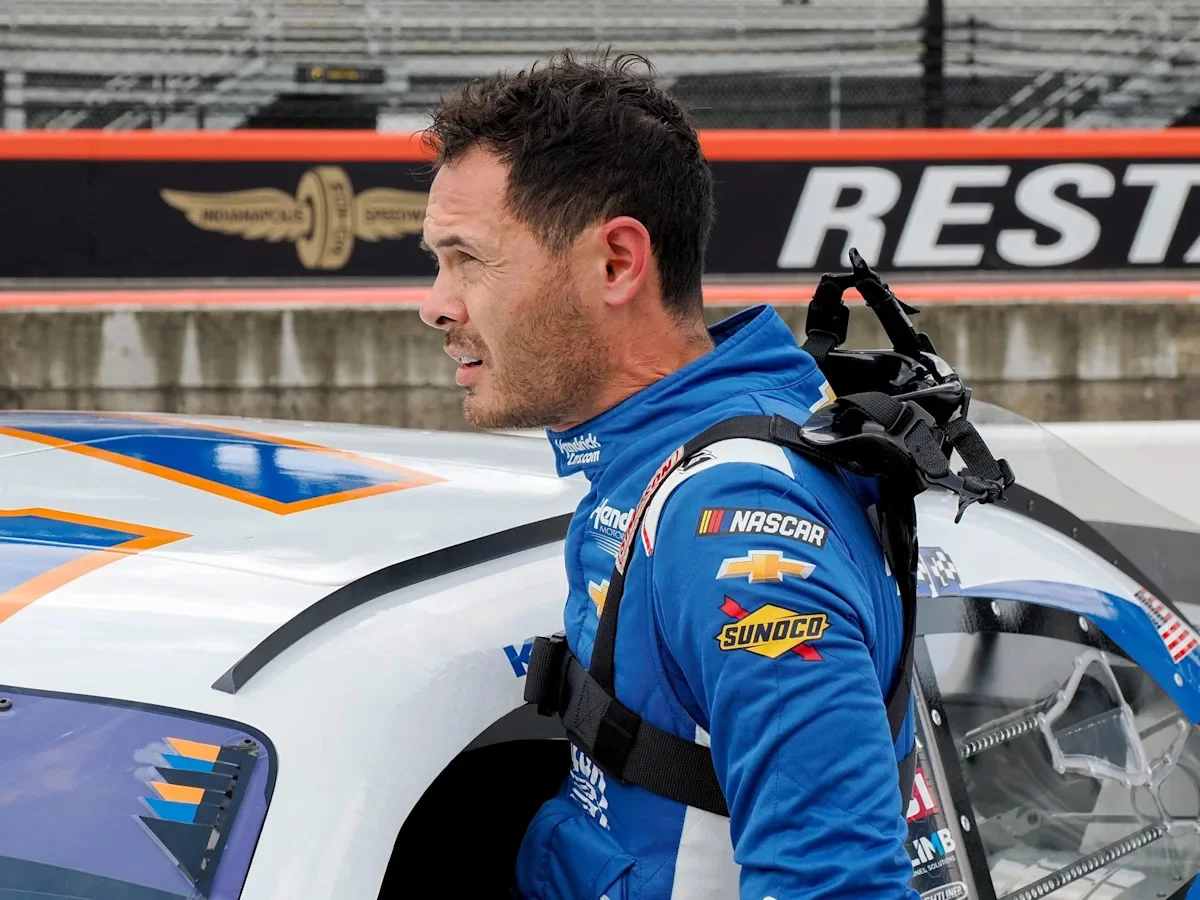
“I like the movie. I think it did not do anything good for our sport. I think it turned our sport into a joke.” —Kyle Larson, NASCAR driver
Although Talladega Nights became a cult favorite for many fans and even NASCAR drivers, who reference it during races and on their cars, Larson remains uneasy about how the movie’s portrayal has shaped public perception. Its wild and exaggerated humor cut both ways, entertaining yet undermining the sport’s seriousness.
Kyle Larson reacts to statistics concerning NASCAR’s Next Gen car
Kyle Larson has also openly criticized the Next Gen (Gen 7) NASCAR car, focusing on its effects on race competitiveness and overtaking opportunities. Following recent races in 2025, including the prestigious Brickyard 400 at Indianapolis and events at Talladega, Larson spoke about the challenges drivers face with the current vehicle design.
The Next Gen car, introduced in 2022, aimed to promote parity among teams and reduce costs through standardized parts. However, Larson highlighted how the car’s aerodynamic features have made passing other drivers more difficult, impacting the flow and excitement of races. He remarked on an eye-opening statistic about race winners:
“I mean that’s a surprising stat, so I’m not sure I have a great answer other than, you know, the field’s just tighter now. So, there’s more probably teams that have an opportunity to win if, you know, things go right and then, next gen races are a little bit more chaotic and stuff, but I would have thought that a pole sitter had won, you know, in that amount of time….So, I don’t know. That’s wild.” —Kyle Larson, NASCAR driver
Since its deployment, the Next Gen car has produced variety on the winner’s circle, with 27 different drivers winning races. Nonetheless, Larson’s observations reflect concerns shared among drivers and fans about the race quality and the difficulty of passing competitors under the new car regulations.
How Larson’s views highlight growing tensions in NASCAR’s evolution
Kyle Larson’s comments on both Talladega Nights and the Next Gen car reveal deeper issues confronting NASCAR as it balances tradition, entertainment, and technical innovation. While the film brought widespread attention to the sport through humor, it also contributed to a perception of NASCAR that some insiders find damaging. Simultaneously, the Next Gen package intended to level the playing field has introduced new frustrations related to race dynamics and competition.
Larson’s candid reactions underscore the tension between maintaining NASCAR’s heritage and adapting to changes expected to keep the sport viable and popular. His concerns suggest that further adjustments to car design or race formats might be needed to better satisfy drivers and fans, ensuring the sport’s competitiveness without sacrificing excitement.
As NASCAR moves forward, voices like Larson’s will continue to influence conversations around how to honor its past, improve current racing conditions, and manage the sport’s public image in the wake of media portrayals and evolving technical rules.
