
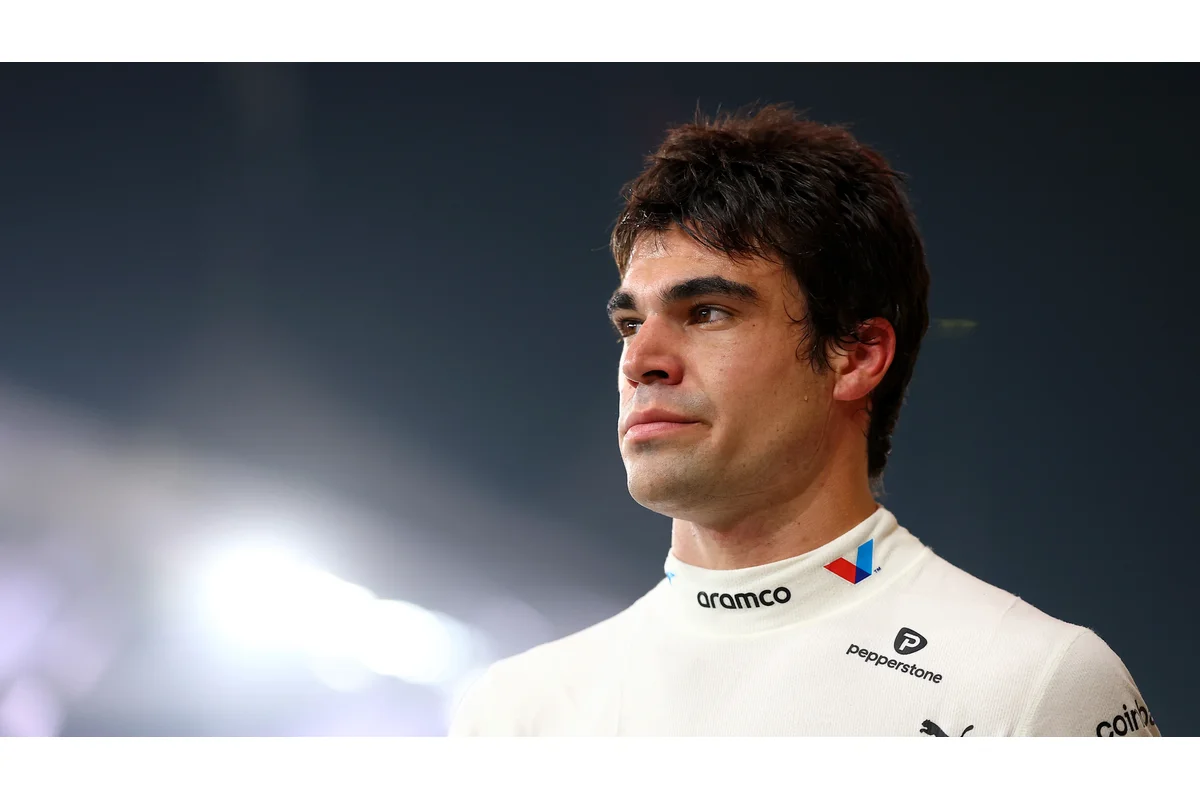
Aston Martin driver Lance Stroll criticizes F1 regulations for 2026, expressing deep concerns that the new rule changes could threaten the core excitement of Formula 1 racing. Speaking as the sport prepares for sweeping alterations set to reshape its landscape, Stroll’s remarks highlight growing apprehension among drivers about the future of F1.
Major Changes Set for 2026 Season
The 2026 Formula 1 season will mark a dramatic transformation, featuring a complete overhaul of cars’ aerodynamic characteristics and the engine setup. One of the most significant changes is the elimination of the controversial MGU-H unit in favor of an electric system, which will deliver power equivalent to that of the combustion engine, splitting output evenly. While these efforts aim to advance sustainability and on-track performance, many drivers worry these updates could compromise the adrenaline-filled racing fans have come to expect.
Drivers’ Unified Response to F1’s Direction
Stroll, widely recognized for speaking his mind, says the driver community shares his reservations about the new approach being taken with the regulations.
“I think that just the idea of the regulations, I think everyone agrees on that,”
Lance Stroll, driver. Despite general consensus on the need for change, he fears the shift could come at the expense of what makes F1 exhilarating.
“It’s a bit sad that we’re going in the direction of 400 km/h down the straight, and half the speed in the corners,”
Lance Stroll, driver. His concerns spotlight the issue of whether F1’s identity is being eroded in favor of efficiency and technology.
Energy Management Versus Pure Racing
The Canadian racer argues the essence of Formula 1 lies in dramatic cornering speeds and the intensity of pushing both car and driver to their limits, not in complicated energy management.
“Managing energy and battery power is not as exciting as flat-out pushing with lots of downforce,”
Lance Stroll, driver. This comment underscores a wider sense of unease that F1’s focus on greener technology might stifle the aggressive, high-speed action that defines the series and has enthralled spectators for decades.
Aston Martin’s New Era and Optimism Amid Doubt
Aston Martin, which will enter a new era in 2026 through its technical alliance with Honda, is also experiencing substantial internal change. Legendary designer Adrian Newey steps in as team principal, signaling heightened ambition and increased expectations for the campaign. Stroll, while critical of the regulations, maintains hope that the new car’s performance may outweigh potential drawbacks.
“If we’re sitting here in Melbourne, and we’re super quick, and everyone else is still behind us in the mirrors, it’s going to be a nice car to drive,”
Lance Stroll, driver. This remark reflects the reality that, in F1, competitive advantage can soothe even the deepest uncertainties about wider rule changes.
What the Future Holds for Formula 1
The approach of the 2026 season leaves the racing community in suspense, with drivers, teams, and fans watching closely to see whether Formula 1’s pursuit of innovation will elevate the competition or diminish its spirit. With outspoken drivers like Lance Stroll criticizing F1 regulations and urging the sport to maintain its thrill, the tension between technological progress and the preservation of racing’s raw appeal is increasingly at the forefront. The course F1 charts over the next years could reshape the face of motorsport, forcing a balance between ambition for sustainability and the unmistakable excitement fans expect from the world’s premier racing series.
