
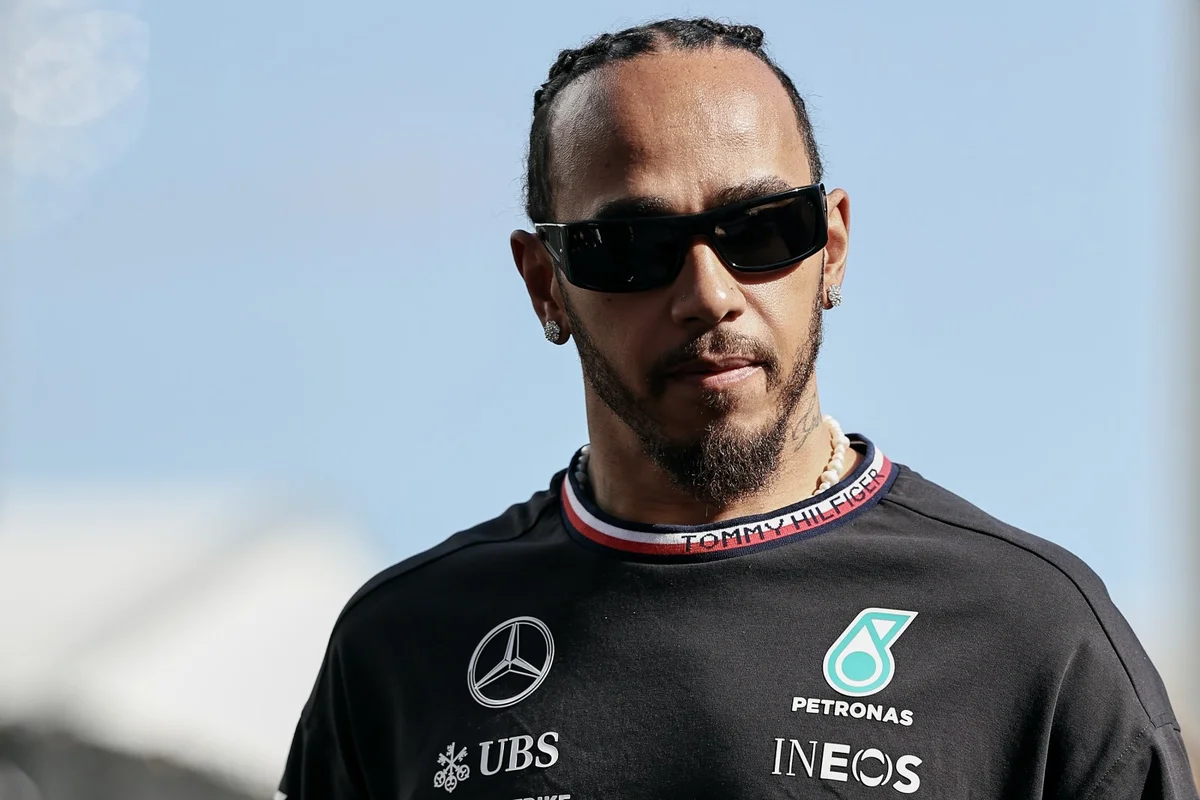
Lewis Hamilton, a celebrated seven-time world champion, is facing a crucial moment as the 2026 Formula 1 season approaches, anxiously hoping the next generation of cars will restore his competitive edge. Following several challenging years marred by regulation changes, debates swirl about whether Lewis Hamilton 2026 F1 hopes will finally ignite another chapter of triumph for both driver and team.
Performance Decline After Regulatory Shifts
Once known as a dominant force for Mercedes, Hamilton’s fortunes declined after Formula 1’s ground-effect era began in 2022. The introduction of new car design rules disrupted the field’s balance, leaving Hamilton and his team trailing their previous championship-winning form. Where Mercedes had celebrated four world titles in five years before the changes, the new specifications left both Hamilton and his engineers chasing elusive pace and consistency against their rivals. This phase marked new difficulties for someone who had long dictated the rhythm of the racing world.
Hamilton Voices Concerns Over a New Era
Looking back at his recent struggles, Hamilton openly described his frustration with the current generation of Formula 1 cars. In his words,
“This generation was probably the worst one [for cars]. I’m praying that the next one is not worse than that.”
– Lewis Hamilton, World Champion
The uncertainty surrounding the effectiveness of upcoming technical changes mirrors anxieties among fans, engineers, and paddock pundits alike. There is a growing concern about whether the overhaul will lead to a resurgence for Hamilton or deepen existing challenges as 2026 draws nearer.
Radical Rule Changes Looming for 2026
The 2026 season is widely anticipated as one of the most transformative in recent memory, with comprehensive adjustments planned for both aerodynamics and power units. Such sweeping updates offer teams, including Mercedes, a rare opportunity to reinvent their machinery. Yet, history reminds that innovation brings as much risk as opportunity. Hamilton is especially aware that his quest for a comeback hangs on how well engineers interpret and implement these changes.
Lessons from Past Transitions
Drawing from earlier transitions, Hamilton recounted a formative experience with McLaren:
“I remember the first day back in the year, they said that the rules had like 50 percent less downforce. So they built the car to have 50 percent downforce. I was like, ‘Wow, is that normal?’ Then we get to the first test, there’s no downforce at all and we’re miles off,”
– Lewis Hamilton, Driver
This reflection highlights the unpredictable nature of radical rule shifts in Formula 1. The path from concept to performance is rarely straightforward, and even the most seasoned teams can misjudge the real-world impact of new regulations. Innovations, intended to level competition, often bring unintended setbacks for established drivers or teams.
Persisting Optimism and Determination
Despite setbacks, Lewis Hamilton remains hopeful as he prepares for the 2026 season. He draws inspiration from previous eras of change, remembering the excitement and success of the 2014 engine revolution and the powerful shift in 2017 with wider, more dynamic cars. Each new era has demanded adaptation and resilience, qualities that have driven Hamilton throughout his career. Now, his motivation is to overcome recent disappointments and embrace the opportunities presented by the evolving regulations.
What the Future Holds for Hamilton and Mercedes
As anticipation for the 2026 Formula 1 season builds, all eyes are on whether Hamilton and Mercedes can convert these sweeping rule changes into a competitive advantage. The sporting world is eager to witness if Lewis Hamilton 2026 F1 hopes will bring about a career renaissance or add to the narrative of a champion facing a changing competitive landscape. With fresh regulations, fierce rivals such as Fernando Alonso targeting their own breakthroughs, and the potential for surprises from teams like Williams, Red Bull, and Aston Martin, the stakes for Hamilton’s legacy remain higher than ever. The answer to whether prayers will turn into podiums—and a renewed chase for championships—will unfold as the countdown to 2026 quickens.
