
Lewis Hamilton, the seven-time Formula 1 world champion, has openly acknowledged his struggles during the recent rules cycle, expressing frustration as he anticipates the next overhaul of regulations in 2026. The period since ground-effect cars were introduced in 2022 has proven difficult for Hamilton, who has managed only two grand prix victories, marking one of the most challenging eras in his storied career and impacting his performance significantly, especially in qualifying laps. The topic of Lewis Hamilton F1 struggles has not only dominated media discussions but also highlighted the changing dynamics in the racing world.
Tough Adjustments Since the 2022 Regulation Shift
Since 2022, Formula 1’s ground-effect regulations have posed difficulties for Hamilton, whose driving style—especially his skill in sharp cornering after late braking—has not been rewarded by the current generation of cars. In a candid reflection, Hamilton has described this rule era as his least favorite since entering Formula 1 back in 2007, emphasizing how little he’ll miss the present vehicles:
there’s not a single thing I’ll miss about these cars
, Lewis Hamilton. With only two wins to his name under these rules and persistent qualifying setbacks, the competitive edge that previously defined his career has been subdued in this period.
Looking Back on Previous Regulation Changes
Hamilton has a long history of adapting to changing technical regulations in Formula 1. His initial major shift came in 2009 during his time at McLaren, when slick tires returned, wing dimensions grew, and diffuser rules aimed to reduce car dependency on downforce. McLaren, as defending champions, initially failed to capitalize, resulting in Hamilton ranking only 11th after nine races before recovering to end the year fifth overall. Reflecting on that challenging season, Hamilton noted:
McLaren in 2009, I remember the first day back in the year, they said the rules of 50% less downforce,
Lewis Hamilton, 2025 Abu Dhabi Grand Prix.
Despite the teething issues in 2009, Hamilton’s next encounters with sweeping changes in 2014 and 2017 were far more successful. As Mercedes introduced turbo-hybrid engines and made significant aerodynamic updates, Hamilton seized the opportunity, winning six world titles during those eras—a stark contrast to his more recent experience at the front of the grid.
He recalled the excitement and innovation of 2014 and the bold new look of cars in 2017, juxtaposing it against the current rule set:
And 2017 was cool because it was a bigger, wider car. It just looked beefier and more downforce. It was mega. This generation was probably the worst one, I would say, and I’m praying that the next one is not worse than that.
, Lewis Hamilton.
Setbacks with Ferrari and Recent Team Decisions
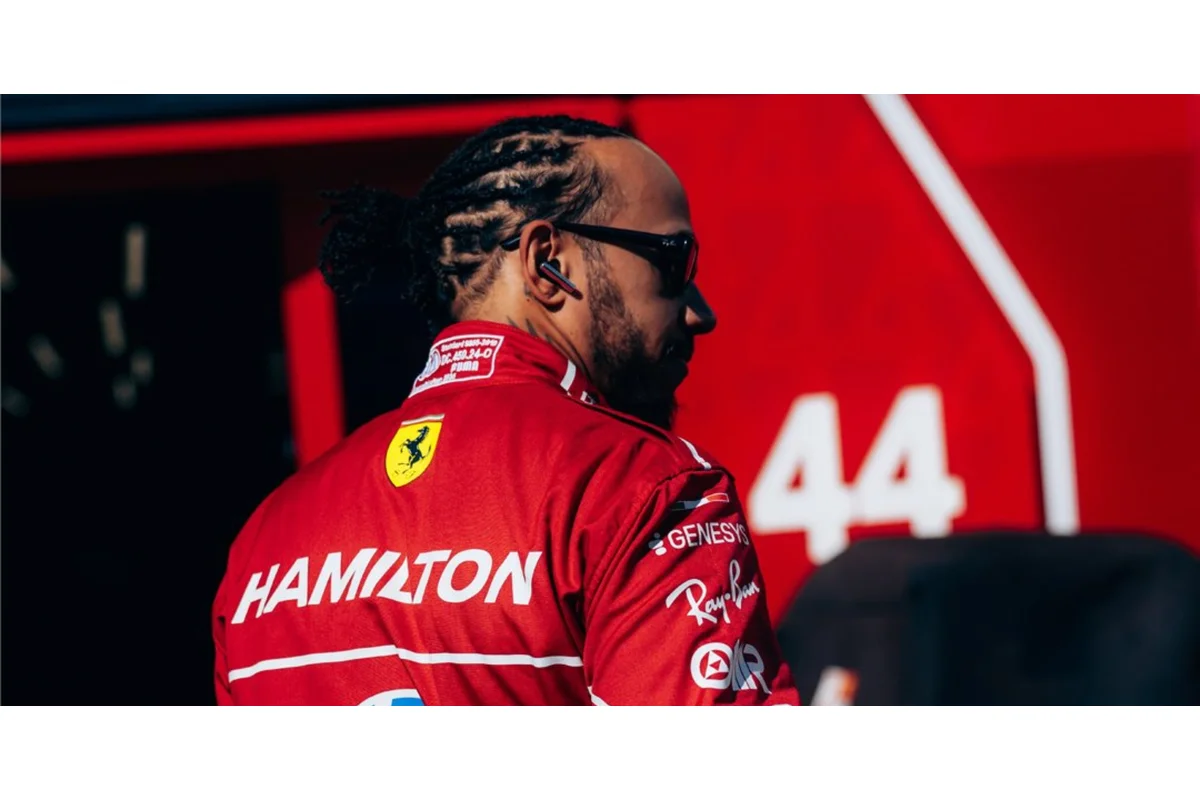
Hamilton’s recent tenure with Ferrari has been marked by disappointment, with his sixth-place finish in the championship signaling a difficult transition. He ended the season 86 points down on team-mate Charles Leclerc, securing only a single sprint win in Shanghai. Ferrari’s performance suffered alongside his, especially after the team halted car development midseason, compounding their challenges.
Despite the setbacks, Hamilton backed Ferrari team principal Fred Vasseur’s decision to focus on developing the new car for the next season—a move he considers vital for long-term success, even if it meant sacrificing short-term competitiveness. Hamilton’s approach highlighted his understanding of the sport’s steep development curve. He explained the situation with the team’s performance and morale:
But it’s just meant that it’s been harder to maintain the performance, at least some of the performance we had at the beginning of the year. I can’t answer the question for the rest of the team. I think everyone’s stayed really positive in my experience. So I’ve not seen a psychological effect.
, Lewis Hamilton.
Anticipation and Hopes for the Future
Looking ahead, the major chassis and power unit updates scheduled for 2026 offer Hamilton a chance to put recent frustrations behind him. Beginning his debut season with Ferrari in 2025, he aims to leverage these regulatory shifts to improve both his own and his team’s fortunes on the track. The prospect of a fresh start, combined with lessons learned from previous transitional periods at McLaren and Mercedes, positions Hamilton and Ferrari to potentially return to championship contention with renewed confidence.
This period has not only tested Hamilton’s determination but also underscored the impact that evolving regulations and team strategies can have on the career of even the most accomplished drivers. With Formula 1 poised for significant changes and anticipation growing for the next phase, all eyes will remain on Lewis Hamilton and Ferrari as they seek to reclaim their former glory on racing’s biggest stage.
