
Jacques Villeneuve, the 1997 Formula 1 world champion, has placed Fernando Alonso ahead of Lewis Hamilton in terms of consistency during their dominant seasons, accusing Hamilton of becoming complacent at times. While Hamilton holds the record for the most F1 world titles with seven and has achieved over 100 race wins, Villeneuve highlighted periods in Hamilton’s career where his performance noticeably dipped despite driving superior machinery.
In contrast, Alonso, who has won two championships and last triumphed at the 2013 Spanish Grand Prix, is widely regarded for having career results that do not fully reflect his driving talent. Alonso came close to clinching the title in 2007, 2010, and 2012 but fell short by only a few points each time.
Villeneuve highlights Hamilton’s fluctuating form during championship runs
During an appearance on The Red Flags podcast, Villeneuve was asked to compare world champions across eras. When evaluating Alonso and Hamilton, he argued that Hamilton lacked ruthless consistency and sometimes relied on car superiority and teammate performance to secure his titles. He pointed out examples where Hamilton’s teammates, like Valtteri Bottas, might have won championships in cars that were dominant regardless of driver.
I will put Alonso because Hamilton has too many downs,
Villeneuve said.
Even though he’s got all the championships, it’s not the quantity of championships. If you look at every season, there’s always been two, three, four races where he was completely disappearing.
He added that Hamilton had “too many easy years” due to driving cars that outperformed the competition, which led to a sense of complacency.
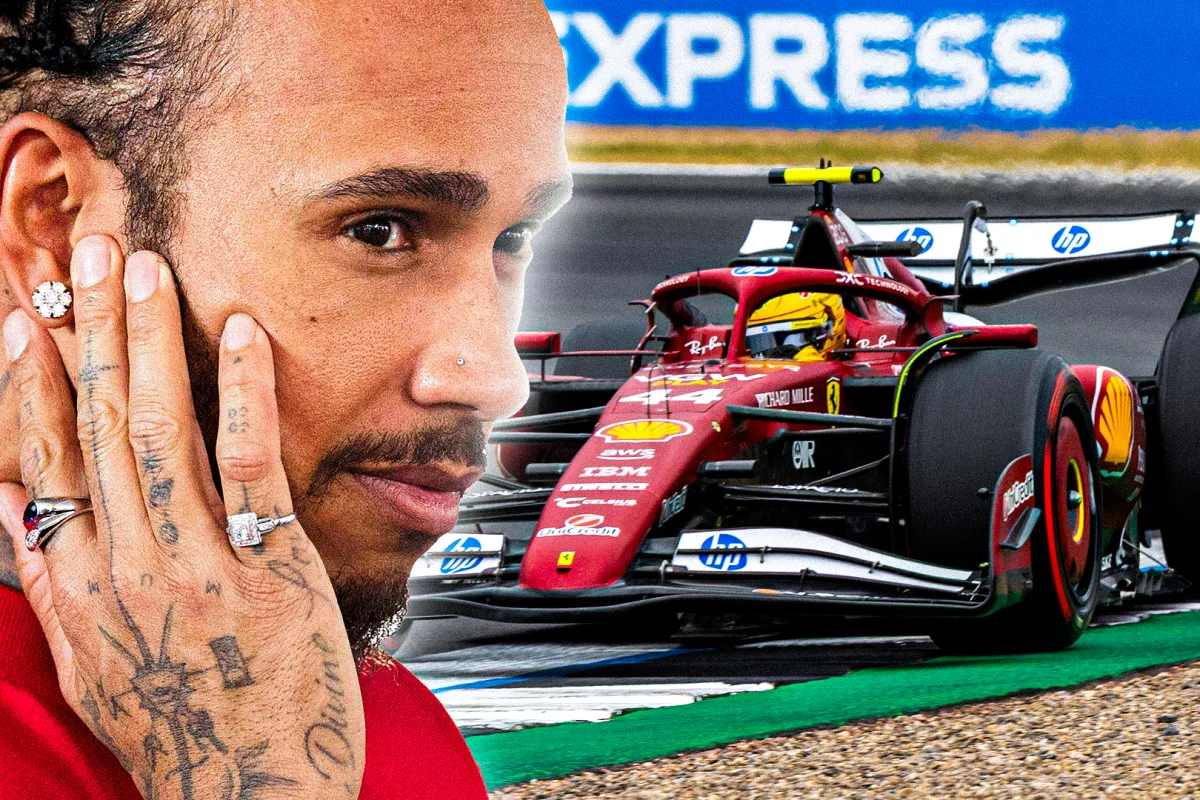
Then suddenly he woke up again and started winning again. Too many of those championships were in cars that even Bottas would have won the championship if Hamilton had not been there.
Villeneuve remarked, adding,
It’s a big shock to him that, actually, no, he has to fight as hard as he did in his first and second season, because the first championship he had, amazing. He really fought hard for that.
Villeneuve emphasized Hamilton’s pattern of “disappearing” for parts of seasons but returning as a dominant force, whereas Alonso maintained a more consistent presence throughout his career.
He always had seasons where he had a few races where he disappeared. He wasn’t there anymore, and suddenly the light turned on again, and he was a killer again. Whereas Alonso is always there.
Comparing team decisions: Hamilton’s strategic success versus Alonso’s challenges
One factor Villeneuve identified as differentiating the careers of Alonso and Hamilton was their choice of teams. Alonso’s move from Ferrari to McLaren-Honda in 2015 resulted in four difficult seasons with limited success, whereas Hamilton’s switch to Mercedes in 2013 proved to be a decisive and rewarding gamble.
He’s been bad at that. Hamilton made the right choices at the right time,
Villeneuve stated, acknowledging the unpredictable nature of Mercedes’ dominance at the time Hamilton joined. This risk paid off and helped define Hamilton’s legacy.
Alonso came close to titles with Ferrari, often narrowly missing out in tightly contested seasons, but the lack of a consistently competitive car hindered his chances. Villeneuve also criticized Alonso’s tendency to make enemies within teams while noting Hamilton’s ability to remain focused as a driver despite internal conflicts.
When there were teammates at McLaren, in the end, Hamilton, even though it was Hamilton’s first season. He’s not great at choosing his teams, and he’s very good at making enemies, even within teams. But as a driver, he’s always on it.
Implications for understanding dominant seasons in Formula 1
Villeneuve’s analysis underscores the complex dynamics behind Formula 1 championships, highlighting how driver consistency, team strategy, and car performance intertwine to shape careers. His comments suggest that while Hamilton’s record-breaking tally is impressive, Alonso’s steady competitiveness in less dominant cars exemplifies a different kind of excellence.
The discussion points to the ongoing debate about what defines greatness in the sport: is it the quantity of titles secured or the consistency shown irrespective of machinery? Hamilton’s recent struggles to maintain dominance illustrate Villeneuve’s view that Hamilton now faces renewed challenges akin to his earliest seasons.
As F1 continues to evolve with greater competition and regulation changes, the legacies of drivers like Hamilton and Alonso will remain central topics, reflecting the balance between talent, opportunity, and determination in the sport.
Our Reader’s Queries
Q. Is Lewis Hamilton vegan?
A. Formula 1 driver Lewis Hamilton openly supports veganism. Besides this, he also invests in businesses focused on plant-based products.
Q. Is Lewis Hamilton a vegan?
A. Lewis Hamilton believes he showed critics they were wrong by thriving on a vegan diet. In 2017, despite his doctors’ advice, he chose to become vegan. Since making this change, he has won four championships and noticed higher energy. Hamilton is one of many professional athletes successfully adopting a plant-based diet.
