
David Coulthard, former Formula 1 driver and Red Bull competitor, recently spoke about what distinguishes Lewis Hamilton from many other F1 racers. On a recent podcast, Coulthard described Hamilton as possessing an exceptional gene that separates true champions in the sport, emphasizing how this unique trait helped define Hamilton’s dominance in F1.
Throughout his career, Coulthard achieved 13 Grand Prix victories and raced alongside several world champions, including Mika Hakkinen, Kimi Raikkonen, and Damon Hill. His experience competing with top-tier drivers gave him insight into what sets the elite apart from the average on the grid.
David Coulthard’s Insight Into Champion Drivers’ Unique Qualities
Reflecting on his many years in Formula 1, Coulthard shared that champions like Lewis Hamilton, Michael Schumacher, and Mika Hakkinen exhibited an innate quality that he did not possess. This “exceptional gene,” as he called it, allowed these drivers to view risks differently, focusing on opportunity rather than danger. Coulthard explained that the mindset for these champions went beyond just talent or skill, extending into their approach and work ethic.
“[They] had that exceptional gene in them, I didn’t have it, but your Mika’s, your Michael’s, your Lewis’, whoever the great champions are, and I’m sure it’s the same in business with work ethic, they didn’t see the danger, they saw the opportunity,” said Coulthard.
Having been teammate to Mika Hakkinen at McLaren during the late 1990s, Coulthard witnessed firsthand how such qualities contributed to Hakkinen’s two World Championships in 1998 and 1999, during fierce competition with Michael Schumacher.
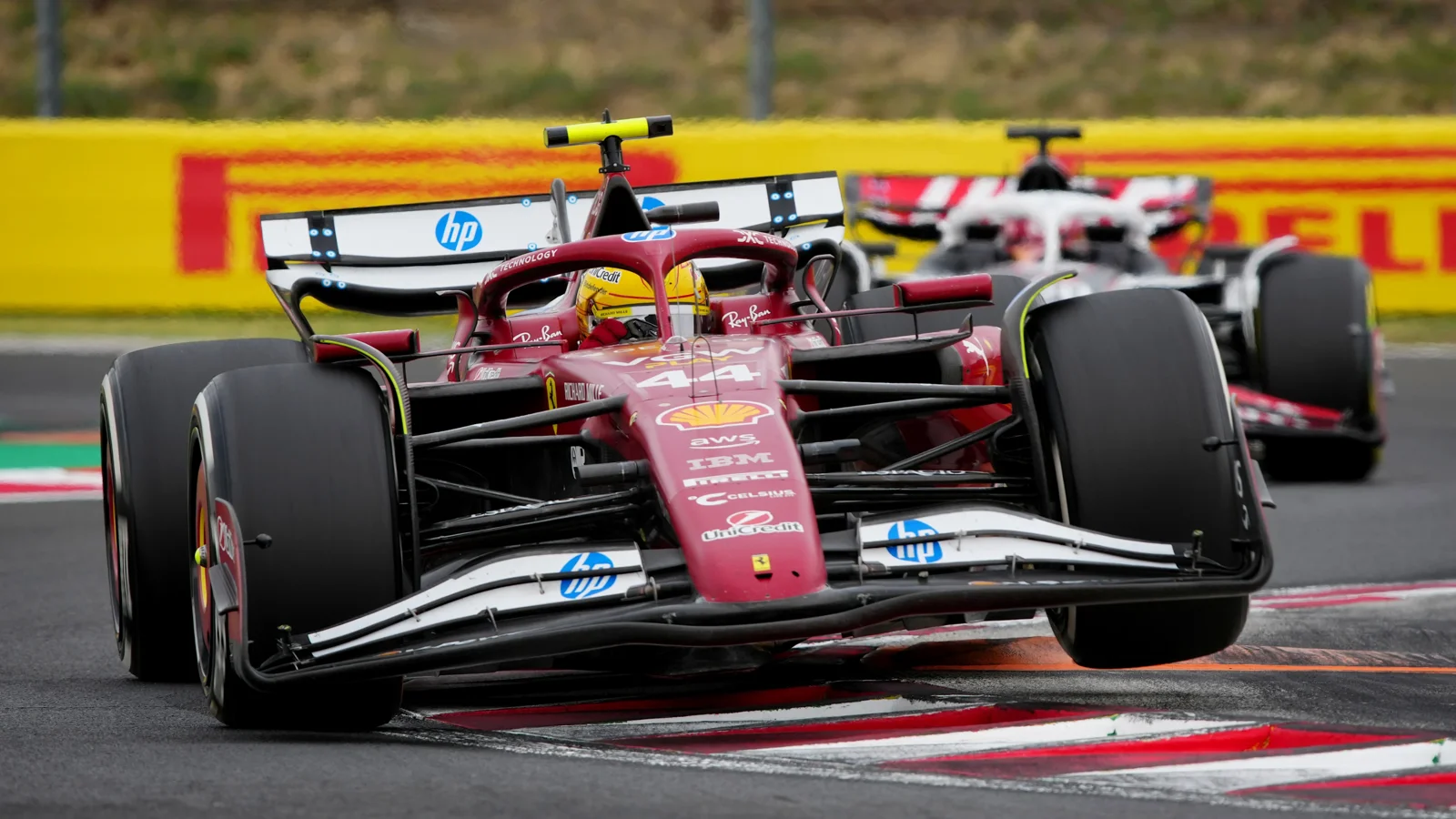
Where Coulthard Felt Technically Outmatched by Schumacher and Hamilton
On the High Performance podcast, Coulthard revealed a specific technical area where he felt less capable than Schumacher and Hamilton—negotiating medium-speed corners. While confident in his abilities at low-speed turns, Coulthard admitted that the elite drivers could extract extra performance in that more challenging middle range of cornering speed.
“Medium speed corners. Low speed, I would put myself up against any driver.”
He illustrated this difference using a skiing comparison, suggesting Schumacher and Hamilton could maintain control and speed in a part of the track that requires subtle balance and precision, which he struggled with as much.
“I think those guys were able to live in that middle part of the ski more often. I was very good if I was all on the front axle. I was not very good in medium speed corners.”
Coulthard’s career also featured several notable clashes with Schumacher, including the infamous 1998 Belgian Grand Prix incident where Schumacher collided with Coulthard while attempting to unlap himself. This collision not only ended Schumacher’s race but sparked one of the sport’s most memorable confrontations when Schumacher stormed into Coulthard’s garage in frustration.
The Lasting Impact of Recognizing the ‘Exceptional Gene’ in F1
Coulthard’s reflections on what differentiates drivers like Lewis Hamilton, Michael Schumacher, and Mika Hakkinen offer a rare perspective from someone who competed closely with these legends. Identifying the “exceptional gene” highlights how success in Formula 1 is rooted not only in raw talent but also in an extraordinary mindset and relentless work ethic.
Understanding these traits could influence how future generations approach racing and development, emphasizing mental strength and opportunity-seeking over caution. For Hamilton, this trait has been instrumental in his continued competitiveness and record-breaking achievements, ensuring his place among the sport’s historical greats.
