
Lewis Hamilton’s move to Ferrari marked a significant moment for the Formula 1 legend, raising hopes for a new chapter in his storied career, but the journey so far has revealed considerable obstacles. As the season progresses, the challenges Hamilton faces at Ferrari highlight the immense Lewis Hamilton Ferrari challenges that stand between him and further championship glory.
Ferrari’s Longstanding Struggles Continue
The iconic image of Hamilton outside Enzo Ferrari’s house at Maranello symbolized optimism and fresh ambition for both driver and team. However, Hamilton’s time with Ferrari has been far from seamless. After finishing sixth in his debut season with the team, he trailed his teammate Charles Leclerc by 86 points. This result echoes Ferrari’s difficulties in sustaining a title challenge since Kimi Räikkönen’s championship win in 2007, despite fielding world-class drivers such as Fernando Alonso, Sebastian Vettel, and now Hamilton.
Norberto Mujica of GPBlog reports that Ferrari’s commitment to the traditional “Maranello way” has led to nearly two decades without securing the world championship. This adherence to legacy strategies has prevented the team from adapting to the rapid evolution of the modern F1 landscape, causing ongoing disappointment among fans and leadership.
Cultural Barriers and Team Dynamics
A deeper challenge lies in Ferrari’s internal culture and approach to driver collaboration. The organization has struggled to keep pace with competitors who have fully engaged their drivers in the development process. Teams like Red Bull have thrived by leveraging feedback from champions such as Max Verstappen, leading to marked improvements in car performance. In contrast, Ferrari’s hierarchical structure has slowed necessary change.
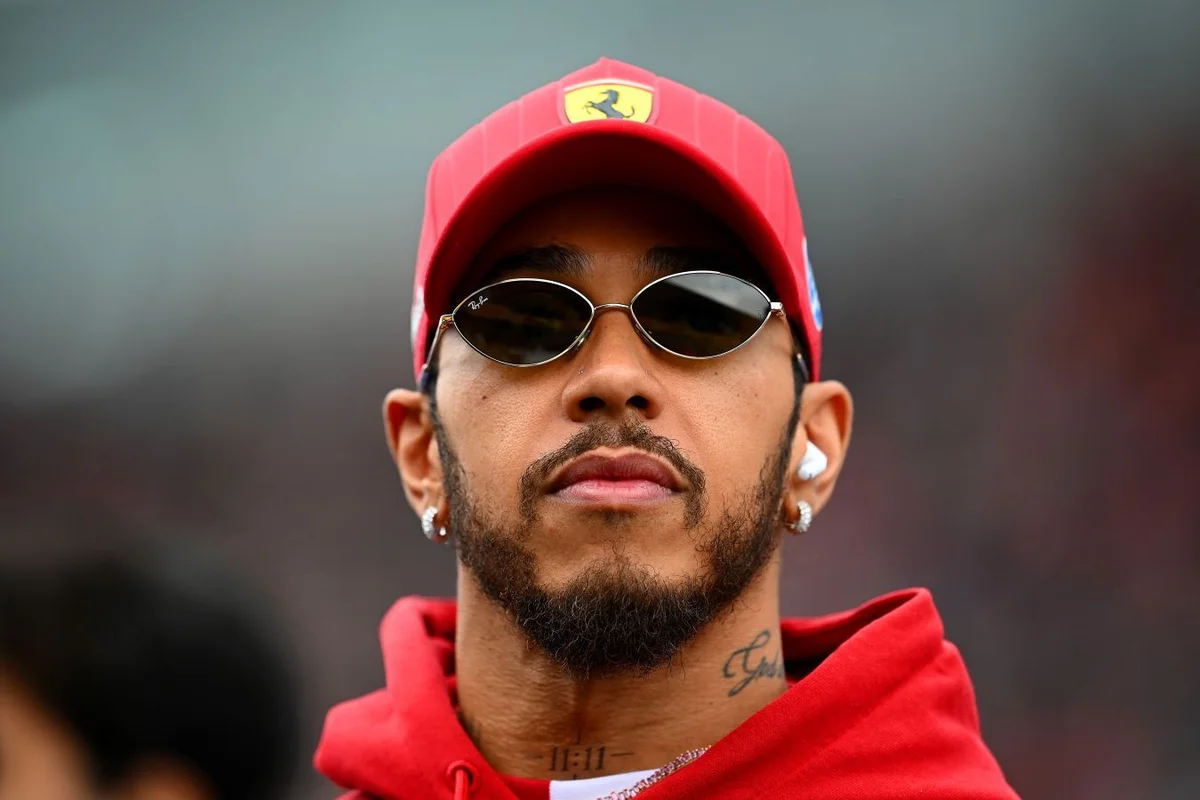
The debate over a driver’s role extends beyond the racetrack. Preparation, simulator work, and technical feedback have become essential elements of a team’s success. Yet, within Ferrari, echoes of past leadership persist. Former team principal Maurizio Arrivabene believed drivers should focus solely on racing, resisting calls for more integrated engineering input. This perspective runs counter to current trends, where drivers play a crucial part in shaping car development and team progress.
Hamilton’s extensive experience and proven success provide Ferrari with a valuable resource for technical insight and leadership. However, the team’s wariness toward fully embracing driver contributions could limit the impact he can make in pushing the organization forward.
Seeking a Return to the Top
Even during one of the most challenging seasons of his career, Hamilton managed to secure a win for Ferrari in a Sprint race, demonstrating the calibre that the team can harness if structural issues are addressed. To break the title drought, Ferrari must not only learn from their past mistakes but also redefine their internal processes and relationships with drivers.
Ferrari’s reputation as Formula 1’s most successful constructor contrasts sharply with its recent outcomes. The anticipation of the 2026 regulation changes presents a pivotal opportunity for the team to align its philosophy with the rest of the paddock and empower Hamilton to maximize his impact. As the grid prepares for a seismic shift, Hamilton could be the catalyst Ferrari needs, but only if the organization is willing to evolve alongside him.
“Today we start a new era in the history of this iconic team, and I can’t wait to see what story we will write together,”
— Lewis Hamilton, Formula 1 driver
🚨🚨| The stubborn Ferrari F1 limitation that risks ending Hamilton's career:
— Ferrari's adherence to the "Maranello way" has resulted in nearly two decades without a world title. Despite having champions like Fernando Alonso, Sebastian Vettel, and Lewis Hamilton, the team has… pic.twitter.com/JolbnsW2zB
— This is Formula 1 (@ThisIsFormu1a1) December 25, 2025
