
Lewis Hamilton’s recent disclosure that he has been holding crucial discussions and sending detailed improvement memos to Ferrari has raised concerns about how this approach might affect team cohesion. The seven-time world champion’s hands-on method involves sharing written recommendations between races to boost Ferrari’s Formula 1 performance. However, former F1 technical director Gary Anderson expressed unease that Hamilton’s reliance on memos could harm his relationship with the Scuderia.
Anderson explained in The Telegraph that while a driver’s effort to enhance the team is understandable, sending written notes might not be the best way to foster collaboration.
I was also concerned when I read last week that Hamilton had been sending memos to Ferrari on where they need to be better. You might think that is just a driver trying to help his team improve, but from my experience that is not what you should do,
Anderson wrote.
You should sit down in a meeting with the relevant people and thrash it all out in person. That way people can have their input, be honest and have a constructive conversation about progress.
He added that written suggestions risk being misunderstood or misinterpreted, potentially leading to miscommunication that can hinder building trust and goodwill within the team.
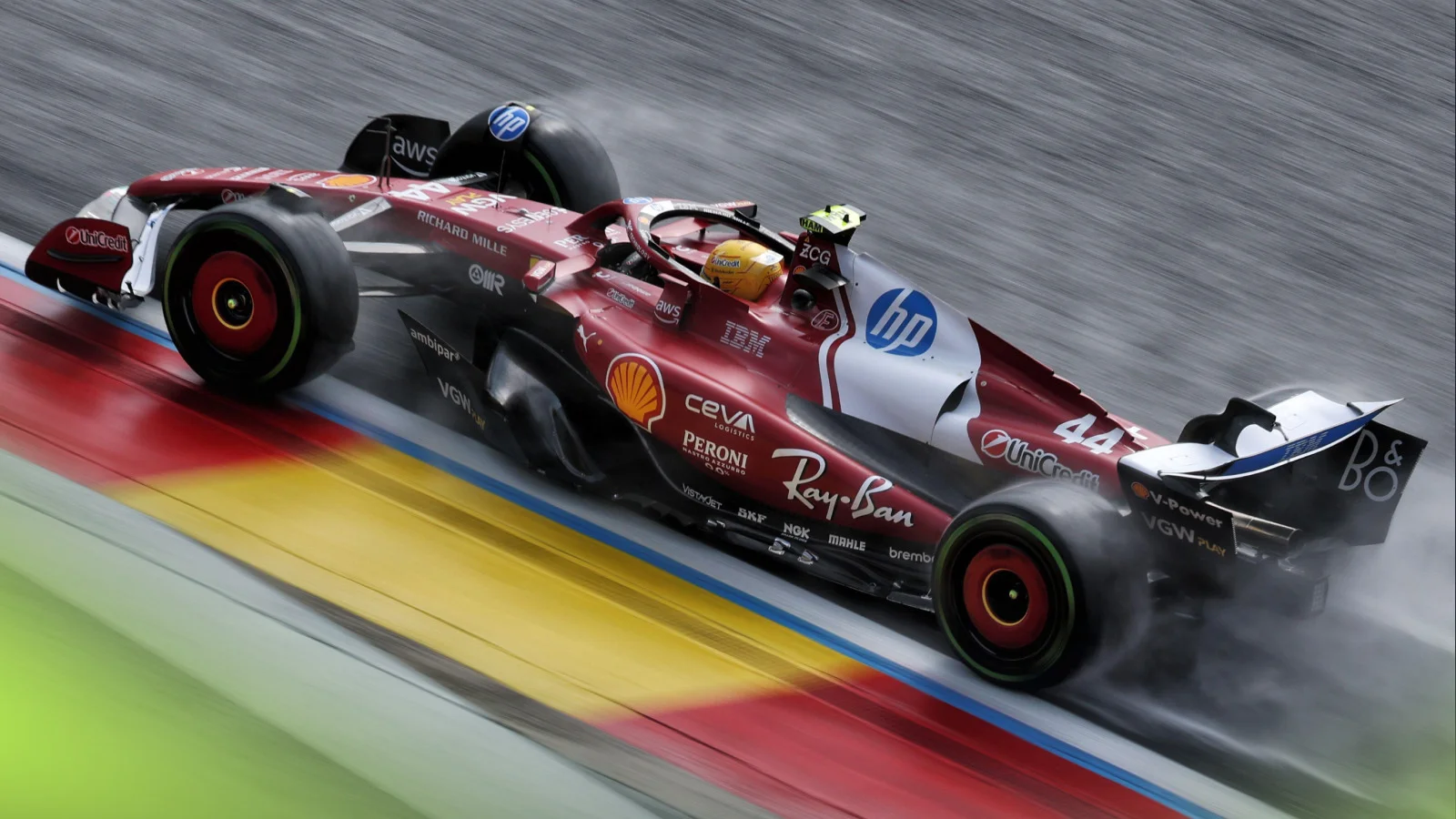
Everybody in the team has feelings after all, and they all need to be pulling in the same direction and to want to work together,
Anderson emphasized.
Hamilton’s proactive measures to enhance Ferrari’s F1 competitiveness
Regardless of the debate over his communication style, Hamilton has been diligently working to strengthen Ferrari’s performance between major events such as Silverstone and Spa. After joining Ferrari from Mercedes, the driver has engaged directly with senior team members including John Elkann, Fred Vasseur, and Loic Serra to discuss challenges and solutions facing the team.
In addition to meetings, Hamilton has submitted several documents outlining issues with the car as well as structural recommendations to improve its competitiveness. His commitment extends beyond the current season, with ongoing conversations about the design and components of the 2026 car, from the engine to suspension.
Following Ferrari’s rear suspension upgrade introduced at the recent Belgian Grand Prix, Hamilton confirmed that the team’s attention would shift more towards preparing the upcoming 2026 car rather than focusing on the pace of the current SF-25 model.
Implications for Ferrari’s team dynamics and future prospects
Hamilton’s attempt to influence Ferrari’s development process through memos could signal both dedication and potential friction. While his insights aim to support the team’s success, experts warn that written feedback without collaborative dialogue may create misunderstandings, possibly disrupting internal relationships at a delicate time.
Given Ferrari’s focus on long-term performance improvements, especially with a new car on the horizon, maintaining strong communication channels between all members is crucial. Hamilton’s ongoing interactions with key figures like Elkann, Vasseur, and Serra indicate his commitment to becoming fully integrated, but balancing direct input with team harmony will be vital for future progress.
As the 2025 season unfolds, how Hamilton’s approach impacts Ferrari’s culture and results remains to be seen, making this a key story to watch within Formula 1 circles.
