
Lewis Hamilton’s surprising transfer from Mercedes to Ferrari has sent shockwaves throughout the Formula 1 community, revealing deeper reasons behind this high-profile decision. According to 2016 World Champion Nico Rosberg, a decisive factor in Hamilton’s move was his desire to escape the intense sponsorship demands imposed by Mercedes, shedding new light on the British driver’s switch.
Rosberg, Hamilton’s former teammate, disclosed on the Sky F1 podcast that the relentless media and sponsor commitments associated with driving for Mercedes became overwhelming.
I’m not allowed to say it’s painful for us [drivers] because everybody watching will be like: ‘Shut up. You earn so much money,’
Rosberg said.
But it is really painful. It is really painful.
Contract Details and Career Ambitions Behind the Switch
Just before the start of the current F1 season, Hamilton exercised an exit clause in his Mercedes contract that came only months after he agreed to a two-year extension. Instead of continuing his long tenure with Mercedes, Hamilton embraced a lifelong ambition by joining Ferrari, signing a multi-year contract reportedly worth an astonishing $446 million. This deal not only covers his role as a driver but also encompasses his philanthropic Mission 44 organization, marking a significant chapter on and off the track.
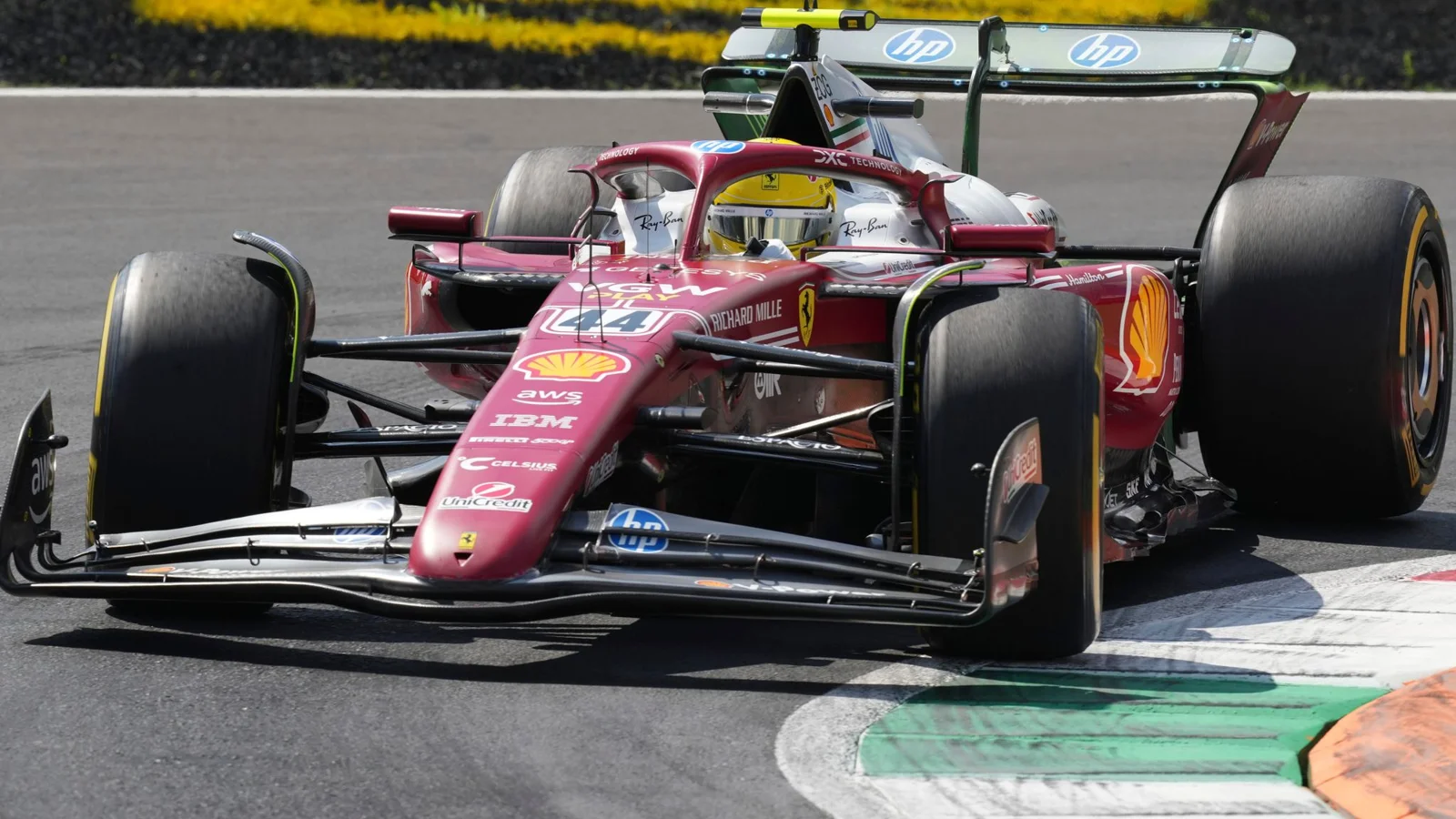
Despite the substantial financial benefits, Hamilton’s move to Ferrari is driven by more than money. At the season launch, he stressed his commitment to competing for an unprecedented eighth World Championship, stating decisively, “I’m here to win.”
It’s crunch time. For me, I truly believe in the potential of this team. I really believe they can win multiple world championships moving forward.
The Role Sponsorship Obligations Played in Hamilton’s Choice
One of Nico Rosberg’s key revelations was that Hamilton’s decision stemmed significantly from the exhausting sponsor workload required at Mercedes. While Hamilton previously faced up to 60 sponsor-related days annually, Ferrari’s demands are far lighter.
That was one of the reasons for Lewis’s switch to Ferrari,
Rosberg explained.
Because Ferrari, they don’t use their drivers for sponsor days. They have such a strong brand that they don’t have to offer their sponsors much time with drivers.
This distinction became even clearer when considering Hamilton’s predecessor at Ferrari, Sebastian Vettel, who reportedly handled only about ten promotional days each year. This reduction in off-track commitments represents a welcome relief for Hamilton as he embarks on this new phase of his career, allowing him to focus more on racing.
Fan Support and Team Leadership Boost Hamilton’s New Chapter
Ferrari’s team principal, Fred Vasseur, emphasized the positive impact Hamilton experienced from Ferrari’s passionate supporters. During a recent fan event in Milan ahead of the Italian Grand Prix, Hamilton appeared energized by the enthusiastic Tifosi crowd.
The energy that he received from the Tifosi was something very special for him,
Vasseur remarked, underscoring how this support could further motivate Hamilton to succeed with his new team.
What This Move Means for Hamilton and Formula 1’s Future
As Hamilton adjusts to life with Ferrari, the implications of his high-profile switch extend beyond just the racetrack. The lighter sponsor schedule combined with fan adoration and a strong team environment might position him to finally capture his eighth World Championship. The Formula 1 world watches closely as Hamilton’s journey with Ferrari unfolds, with stakes higher than ever for the veteran champion aiming to rewrite history.
