
In October 2015, just before securing his third Formula 1 world championship, Lewis Hamilton shared personal reflections in an interview with RACER. At 30 years old and driving for Mercedes, Hamilton was at a high point in his racing career, but his idols extended beyond motorsport, revealing broader influences that shaped his life and values.
When asked about figures in his personal Hall of Fame, Hamilton included iconic names spanning sports, music, and social change.
“Muhammad Ali, Nelson Mandela, Michael Jackson, Prince, Stevie Wonder.”
Pressed to add a Formula 1 legend, he named some of the sport’s greatest competitors.
“I would say Ayrton Senna, Juan Manuel Fangio, Pele, there’s lots of others. I could go on and on, I just have to think about it for a long time.”
Personal Meaning Behind Hamilton’s Role Models
The selections Hamilton named highlight figures who exemplify courage, activism, and excellence. Ayrton Senna and Juan Manuel Fangio represent legendary achievements in racing, but figures like Muhammad Ali and Nelson Mandela go deeper for Hamilton. He has frequently referred to Ali as his sporting hero, admiring his bravery both inside and outside the ring.
Hamilton’s connection with Mandela is particularly significant. Early in his career, he had the opportunity to visit Mandela with his family, an experience he describes as transformative. Mandela’s resilience and messages continue to inspire Hamilton, who has publicly honored Mandela on many occasions, including posting a tribute on social media.
Becoming a Hall of Fame Figure in His Own Right
A decade after revealing his personal Hall of Fame, Lewis Hamilton himself stands as a global icon beyond racing. His influence extends into activism and social change, where he has become a prominent advocate for equality. Hamilton’s role as a flagbearer in the fight for representation reflects the impact of those who inspired him.
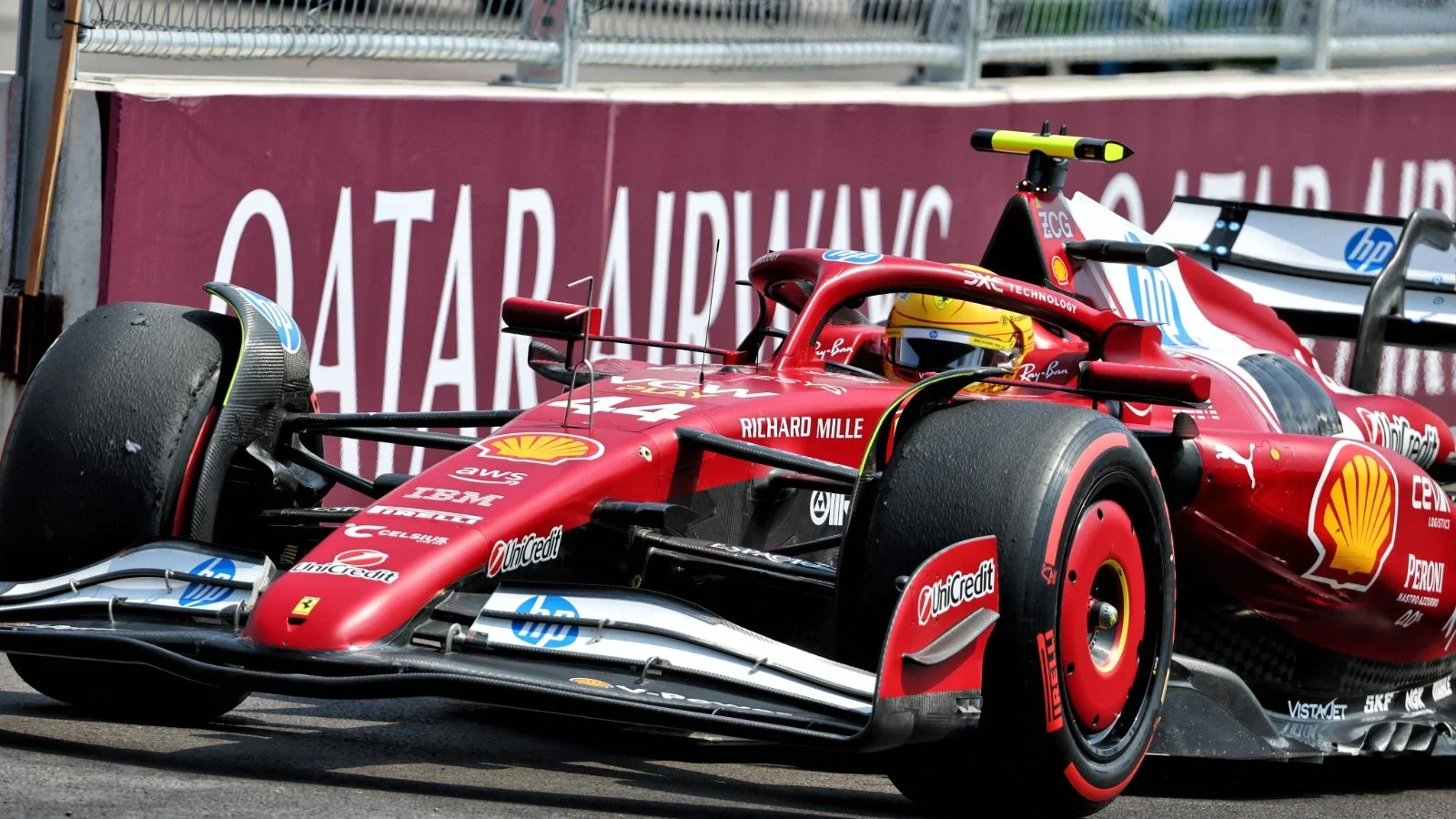
He was a leading voice in Formula 1 during the Black Lives Matter movement, urging sustained efforts toward equality within the sport and society.
“Last year some of us took a knee in support of equality which I am proud of. My question is, what’s next? The inequities within our sport and within our world persist. Change is still needed. We must keep pushing to hold ourselves and others accountable. We have to keep striving for equality for all, in order to continue to see true and lasting change in our world,” Hamilton told F1.com in 2021.
In 2020, Hamilton launched the Hamilton Commission, an independent investigation into diversity issues within motorsport. This led to the creation of Mission 44, a foundation aimed at empowering youth from underrepresented communities.
This year, Hamilton partnered with the UK government to influence school curricula, collaborating with the Education Secretary to promote inclusive education that reflects diverse experiences.
The Lasting Impact of Hamilton’s Legacy
Lewis Hamilton’s journey from identifying his own Hall of Fame idols to becoming an influential figure demonstrates his commitment to progress beyond racing. His efforts push for systemic change, aiming to create opportunities and fairness for future generations. As he continues to advocate for representation and equality, Hamilton’s impact is set to resonate long after his racing career ends, embodying the spirit of his own role models.
