
Lewis Hamilton has shared new insights about the factors that led to his switch from McLaren to Mercedes in 2013, revealing a surprising twist in the story. While Niki Lauda, the late three-time world champion and Mercedes figurehead, was widely believed to be the key influence behind Hamilton’s decision, the driver credited Ross Brawn, the then Mercedes team principal, with playing the larger role in convincing him to join the Brackley outfit.
Hamilton’s relationship with Niki Lauda was close and influential throughout his tenure at Mercedes, with Lauda acting as a mentor and motivator until his passing in 2019. However, the decisive moment that persuaded Hamilton to take the leap came during an intimate conversation in his mother’s kitchen with Brawn. It was this discussion about Mercedes’ future ambitions in Formula 1 that ultimately swayed Hamilton to commit to the team.
“Well, firstly, I have so much love for Niki. But Niki didn’t convince me to join Mercedes. It was more Ross, really, back then. When we sat together in my mum’s kitchen, he told me where the team was going and what they were doing. Niki was definitely a part of it, but it was mostly that meeting that really pulled me in.”
—Lewis Hamilton, as reported by RacingNews365.com
Hamilton emphasized that while Lauda was undoubtedly an important figure at Mercedes and someone he deeply respected, it was Ross Brawn’s vision and the direct conversation that were the turning points. This candid admission reshapes the narrative around his 2013 switch, highlighting Brawn’s pivotal behind-the-scenes role more than previously recognized.
Why Niki Lauda’s Legacy Didn’t Drive Hamilton’s Ferrari Decision
In addition to discussing his move to Mercedes, Hamilton addressed speculation about his 2025 transfer to Ferrari, which many thought might be connected to Lauda’s legacy at the Italian team. Lauda had a significant chapter of his career with Ferrari, winning his first world title there and maintaining strong relations with the Scuderia. Yet, Hamilton made it clear that Lauda’s history with Ferrari was not a factor in his choice to join Maranello.
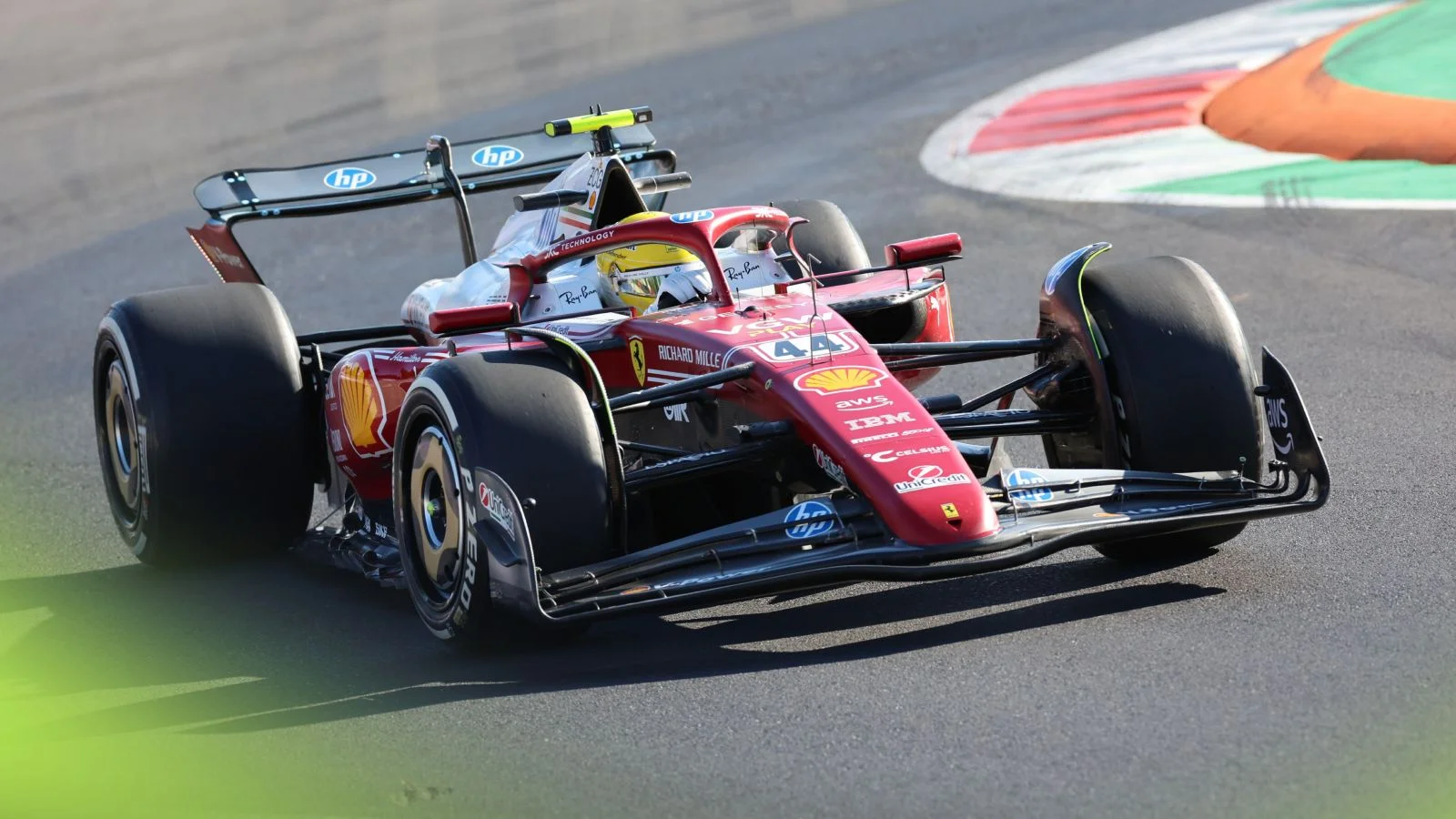
Instead, Hamilton said his decision was motivated by a childhood admiration for Michael Schumacher and a fascination with the passion displayed by Ferrari and its fans. Since Hamilton grew up watching Schumacher’s dominance and often marveled at the fervor surrounding Ferrari podium celebrations, joining the Italian team was about experiencing that unique connection firsthand.
“Niki and I had an amazing relationship. When I joined Ferrari, I hadn’t even thought of Niki having driven at Ferrari. It was literally just because, as a kid, I watched Michael and was a big fan of the team. I always looked at the reaction from the crowd every time Ferrari was on the podium – the passion was like no other team. I wanted to feel what that was like.”
—Lewis Hamilton
Hamilton’s remarks clarify that his passion for Ferrari stems from personal history and fan admiration rather than the legacy of any individual, even one as influential as Niki Lauda. This sheds light on the emotional values that underpin his career decisions beyond team politics or mentorships.
Remembering Lauda’s Impact on Hamilton Amid a Challenging Season
Despite the challenges Lewis Hamilton has faced in the 2025 Formula 1 season, his dedication to honoring Niki Lauda’s memory remains steadfast. Hamilton often honors Lauda’s influence during races and through gestures that recall the Austrian’s iconic moments on the track, demonstrating how deeply the late champion’s mentorship shaped him both personally and professionally.
Lauda’s support was instrumental throughout Hamilton’s rise to becoming one of the most successful drivers in F1 history, particularly during his intense rivalry with Nico Rosberg in 2016. Now, Hamilton continues to carry forward Lauda’s legacy, which underpins his determination to excel and maintain resilience in racing’s highest tier.
The Crucial Role of Mentorship and Vision in Hamilton’s Career Moves
Lewis Hamilton’s revelations highlight how mentorship, vision, and personal philosophies contribute heavily to career-defining decisions in Formula 1. From the kitchen conversation with Ross Brawn that convinced him to join Mercedes, to his childhood admiration for Michael Schumacher that pushed him toward Ferrari, Hamilton’s journey is shaped by powerful personal connections and deep-seated passions.
By choosing Mercedes in 2013, Hamilton aligned with a team on the cusp of dominance in modern F1, a decision influenced more by strategic insight than public perception. His later move to Ferrari symbolizes a return to roots and sentiment, reflecting a driver who balances competitive ambition with emotional legacy.
What This Means for Hamilton’s Future in Formula 1
Lewis Hamilton’s open acknowledgment of the true motivations behind his major career moves not only enriches the understanding of his personal story but also emphasizes the complex dynamics in elite motorsport decision-making. As he navigates what has proven to be a demanding season with Ferrari, the lessons from Lauda’s mentorship and Brawn’s guidance continue to resonate.
This ongoing blend of respect for legacy, passion for racing, and pragmatic strategizing suggests Hamilton remains a formidable presence within Formula 1, one shaped by both personal history and professional ambition. The insights into his past decisions provide fans and analysts alike a deeper perspective on the journey of one of the sport’s greatest figures.
