
At the conclusion of the final practice session before qualifying at the Monaco Grand Prix, Lewis Hamilton suffered a crash that halted the session. The incident has since been analysed closely using the available footage and data, focusing on why Hamilton was found responsible for the error in this crucial part of the race weekend. This analysis of Lewis Hamilton Monaco GP FP3 crash fault sheds light on both driver and car factors that led to the mishap.
Technical Work Required After the Incident
Following the crash that ended FP3 with a red flag, Ferrari confirmed extensive repairs on Hamilton’s car. The team replaced the nose, front wing, and right front suspension, in addition to swapping the entire rear end, including both left and right suspension components as well as the gearbox. Ferrari noted this comprehensive change was faster than changing only the damaged rear suspension parts.
Expert Breakdown of Hamilton’s Driving Line and Loss of Control
During the Sky Sports F1 broadcast, former Formula 1 driver and analyst Karun Chandhok provided a detailed review of the lap during which Hamilton crashed. Chandhok pointed out that Hamilton took a noticeably different line through the Massenet corner compared to his fastest lap. Specifically, Hamilton adopted a tighter trajectory, moving closer to the inside line than usual.
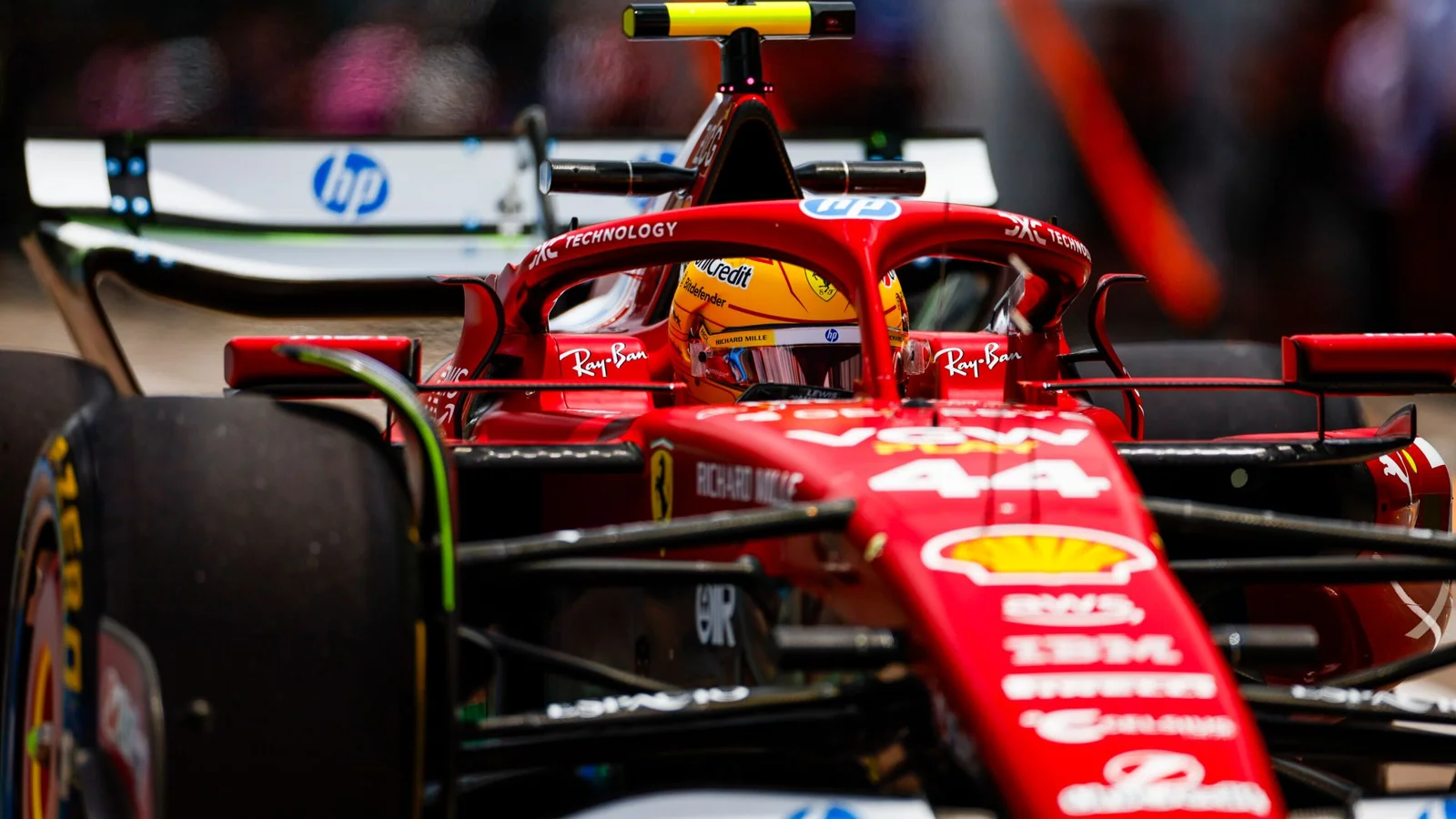
Chandhok elaborated that this tighter approach increased the load on Hamilton’s tyres and contributed to an oversteer snap as the car lost grip. He also highlighted the influence of “dirty air” from the car ahead, which likely reduced front downforce right as the snap occurred. Chandhok suggested that the combination of a sharper line, tyre wear, and disturbed airflow created a challenging situation from which Hamilton could not easily recover.
He summarized the factors by stating that Hamilton’s slightly altered trajectory and external aerodynamic conditions played major roles in the crash.
Hamilton’s Response and Admission of Fault
Lewis Hamilton acknowledged the mistake shortly after the incident, admitting responsibility for the crash. His openness about the error was reflected in the commentary by Chandhok, who remarked on Hamilton’s willingness to “put his hands up” and accept fault.
“As you said, Lewis put his hands up, admitted the mistake.” —Karun Chandhok, Former F1 Driver and Analyst
Implications of the Crash on Monaco Qualifying and Race Prospects
The crash in FP3 forced Hamilton’s team to undertake significant repairs ahead of qualifying, potentially impacting his car’s performance and setup for the rest of the weekend. Monaco’s tight street circuit leaves little margin for error, making any setback especially costly. This incident underscores how critical precision and consistent driving lines are at such a demanding venue. Hamilton’s admission and the expert analysis provide insight into the factors contributing to his error, which may serve as a learning point for the remainder of the Monaco Grand Prix.
