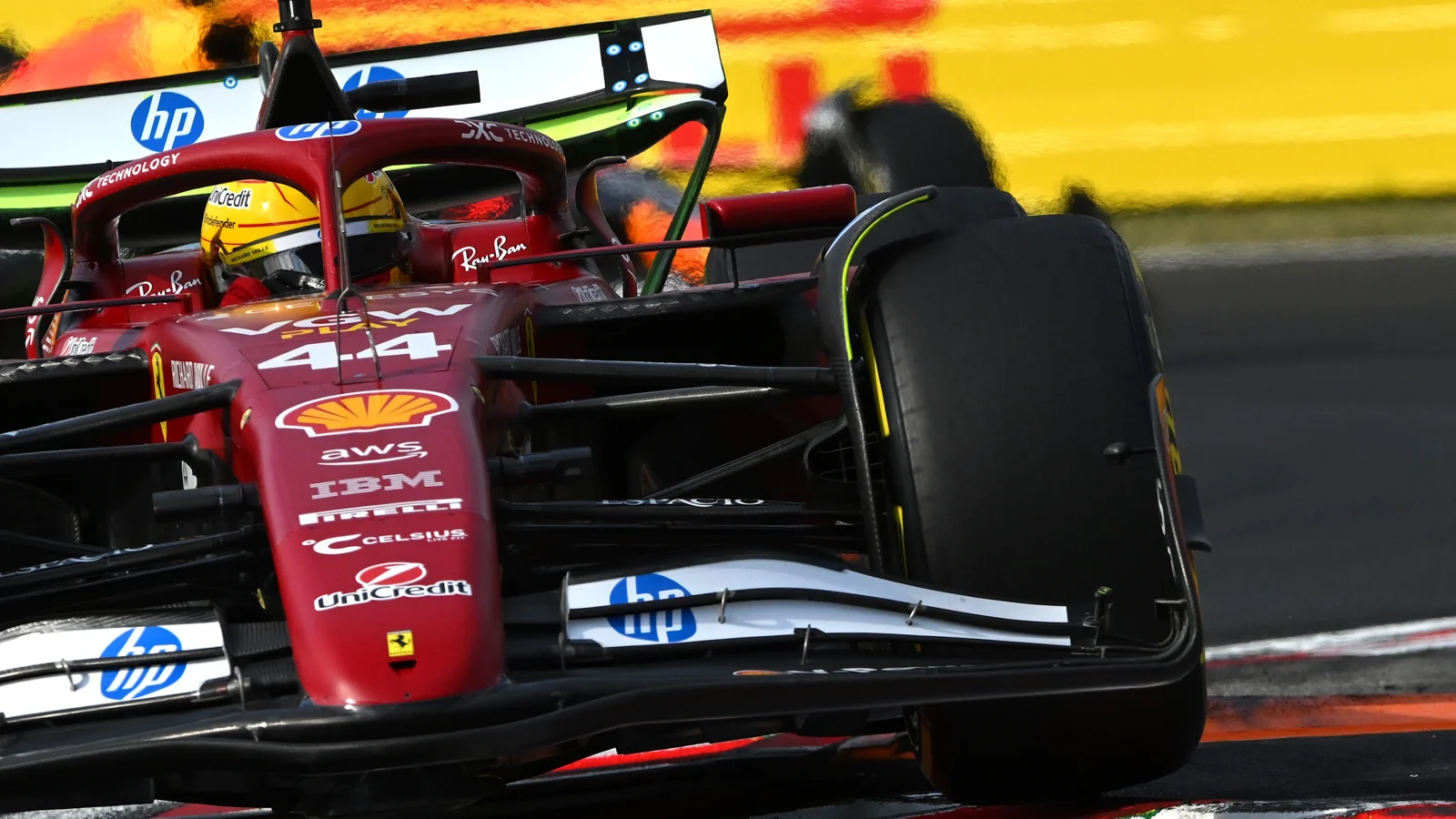
Lewis Hamilton, widely regarded as Formula 1’s most influential figure on and off the track, remains a central force in the sport’s ongoing evolution. At 40 years old, although he has yet to announce any plans for retirement, his eventual departure from competitive racing is expected to be a pivotal moment in F1 history. The seven-time world champion’s Lewis Hamilton post-retirement impact is likely to extend far beyond the cockpit, potentially driving significant change within the sport’s culture and structure.
While stepping back from racing might suggest a reduced presence in Formula 1, Hamilton’s role could transform rather than diminish, allowing him to concentrate on broader initiatives that aim to improve the sport’s inclusivity and long-term growth.
The Enduring Value of Hamilton’s Presence in Formula 1
Hamilton has long been a prominent voice in addressing issues of inequality and social justice both within the F1 paddock and in the wider world. His charitable endeavor, Mission 44, showcases his commitment to tackling inequality at its roots by focusing on education. Moreover, Hamilton actively supports the all-female F1 Academy racing series, lending his influence to nurture emerging female talent during events aligned with the F1 calendar.
Reflecting on his future beyond racing, Hamilton has said:
Image of: Lewis Hamilton
“We have a lot more work to do as a team. As individuals in the team. We have a lot more to do in the sport, I want to be a part of that shifting.”
—Lewis Hamilton
He has also emphasized the importance of addressing diversity across all roles in F1, not just on the track:
“The work on the track and off the track, particularly things, we’re talking about diversity. We’re getting more and more women, it’s not just about drivers, it’s about finding out what those barriers are for women back here as engineers, as mechanics, and giving them a platform and giving them opportunities.”
—Lewis Hamilton
Currently, juggling his racing commitments with ventures in fashion, film, and global advocacy limits the time Hamilton can devote to fostering lasting reform in motorsport. However, retirement would offer him the bandwidth to tackle these goals more fully, following the example of former driver Sebastian Vettel, who has championed women’s racing initiatives in Saudi Arabia and various environmental causes.
Potential Pathways for Hamilton’s Continued Contribution After Racing
Hamilton’s strong ties with influential figures like former team principal Toto Wolff and Susie Wolff, managing director of the F1 Academy, present an ideal platform for him to continue shaping the future of racing. By promoting the F1 Academy and supporting its drivers, Hamilton’s experience and global stature could significantly elevate the series’ impact.
Efforts similar to those of Mission 44, which expands the base of young female racers at grassroots levels such as karting, could be crucial to diversifying the sport’s talent pipeline. Hamilton’s background and passion make him uniquely positioned to drive this transformation, paving the way for more women in racing.
Alongside Vettel, Hamilton could become a prominent advocate for progressive change within Formula 1, guiding the sport toward inclusivity and social responsibility long after his racing career ends. Encouraging the next generation of drivers to leverage their platforms in addressing key issues will be essential, and Hamilton is likely to play a vital role in educating and inspiring them.
Looking Ahead: The Lasting Legacy of Hamilton’s Leadership
As one of the most recognizable athletes globally and a vocal champion for change, Hamilton’s post-retirement phase could mark the beginning of a new era in Formula 1. His advocacy for diversity, equality, and sustainability might redefine what it means to be a racing icon, extending his influence beyond trophies and championships.
The sport stands to benefit from Hamilton’s continued passion and determination, which could encourage a more socially aware and inclusive culture within Formula 1. By supporting emerging talent and breaking down barriers, his legacy may inspire a deeper evolution of the sport that embraces not just racing excellence but also broader societal progress.