
Lewis Hamilton has revealed that Ferrari’s choice to prioritize their 2026 Formula 1 car over continued development of the SF-25 did not affect him psychologically, although the team’s lackluster 2025 performance was not what he had anticipated. Despite Ferrari’s early pivot, the seven-time World Champion stands by the decision, noting he actively advocated for the early transition in hopes of securing a stronger position under the upcoming 2026 regulations.
Ferrari made the decision in April to end full-scale development of the 2025 car, the SF-25, which concluded its campaign without a single Grand Prix victory. For Hamilton, who joined the Italian team with high hopes, witnessing the team finish the season with only seven podiums—all scored by Charles Leclerc—proved to be a challenging experience. Hamilton’s only win for Ferrari in 2025 came in the China Sprint, emphasizing the team’s difficulties in main Grand Prix events.
A Difficult First Season with Ferrari
After the summer break, Ferrari found themselves unable to significantly change their fortunes. They only collected two podium finishes in the second half of the season, both courtesy of Leclerc. This left Hamilton, a major addition to the team and widely considered one of Formula 1’s top talents, reflecting on the psychological toll of such results during his first year in the red suit.
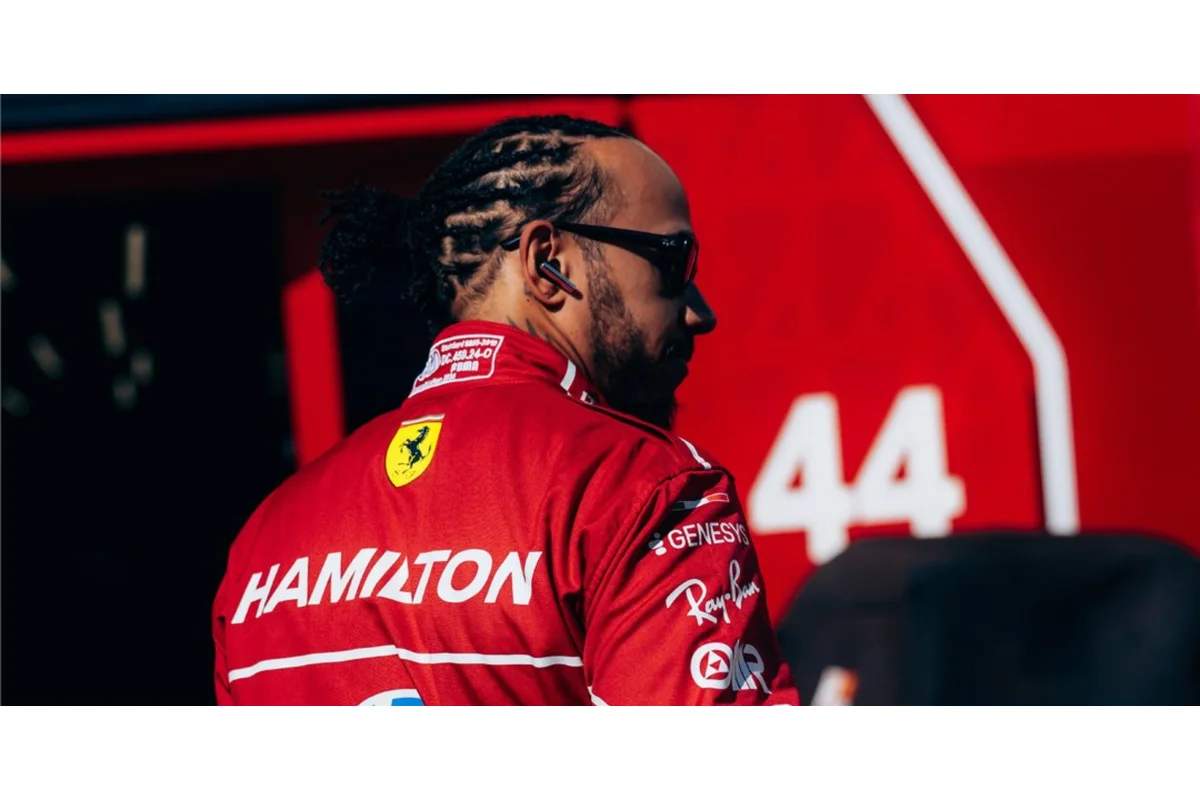
When asked whether Ferrari’s focus on developing for 2026 cast a psychological shadow over his debut season, Hamilton responded candidly,
It didn’t have a psychological effect on me, personally,
Lewis Hamilton, Formula 1 Driver. He elaborated that while he had anticipated challenges, the reality was tougher than expected. Hamilton asserted, however, that he fully supported the early focus on the future, even if it came with short-term pain. Ferrari, after all, was not in the championship fight, and a reset was necessary with major rule changes arriving in 2026.
Explaining his view further, Hamilton made his stance clear,
I was the one pushing for it
Lewis Hamilton, Formula 1 Driver. He argued that staying competitive required not falling behind on car development, given the steep learning curve expected for all teams with the new regulations.
Hamilton expressed ongoing confidence in the decision, saying,
“I still do think it was the right decision, particularly with where we were already with the car. We weren’t fighting for a championship.”
He also emphasized the team’s positive mentality amid adversity, stating,
I can’t answer the question for the rest of the team. I think everyone’s stayed really positive, in my experience, so I’ve not seen a psychological impact.
Lewis Hamilton, Formula 1 Driver.
Anticipation Builds for the 2026 Formula 1 Season
With the SF-25 unable to turn Ferrari into race winners in 2025, attention across the paddock has shifted to how the Scuderia and Hamilton will fare once the sweeping new rules take effect. The 2026 season promises a transformative shift in Formula 1, with overhauled chassis and engine regulations impacting every team. Significant pre-season work is already slated, including an exclusive test session at Circuit de Barcelona-Catalunya from January 26 to 30, before teams head to Bahrain for open testing on February 11-13 and 18-20.
When pressed at the Abu Dhabi Grand Prix about when his own preparations for 2026 kick off, Hamilton explained,
It already really starts next week,
Lewis Hamilton, Formula 1 Driver. Behind-the-scenes work on the 2026 car has already been underway for several months. Hamilton revealed that he would soon begin simulator sessions to refine the new car, with post-season testing and intense training scheduled before year-end.
Addressing the demanding off-season pace, Hamilton remarked,
The break is the shortest that we’ve ever had. Not going to be getting really much recovery time from this season.
Lewis Hamilton, Formula 1 Driver. Both he and Ferrari teammate Charles Leclerc are set to lead Ferrari’s efforts in 2026, hoping to claw back lost ground and capitalize on the fresh start offered by new technical regulations.
Looking Ahead: Hamilton, Ferrari, and the Challenge of 2026
The impact of Ferrari’s 2025 struggles, punctuated by limited podiums and a glaring absence from the winner’s circle in Grand Prix races, has set the stage for a pivotal 2026 campaign. Hamilton’s steadfast support for the team’s long-term strategy, despite initial difficulties and a turbulent first year, underlines both his commitment and recognition of the scale of the upcoming challenge. With significant changes coming in the sport and anticipation mounting from fans and analysts alike, the partnership between Lewis Hamilton and Ferrari will be closely watched as one of F1’s most dramatic storylines heading into the next era.
As the new year approaches, attention is firmly fixed on the winter testing calendar and the progress made by Ferrari’s engineering team. Observers in the paddock, including journalists like Mat Coch and Thomas Maher, as well as rival drivers such as Max Verstappen, will be following how Hamilton and Leclerc navigate this critical period for the team. The hope within Maranello remains strong: that the bold call to sacrifice immediate results in 2025 will lay the groundwork for renewed competitiveness and a potential return to championship contention.
