
The countdown to Formula 1’s 2026 season is underway, with anticipation and questions swirling around sweeping changes that promise to reshape the sport. Liam Lawson, rising star at Racing Bulls, has brought attention to the pivotal role energy management will play, signalling that the next phase in racing could challenge drivers in unprecedented ways and thrash established conventions. The evolving landscape of “Liam Lawson F1 2026 energy” is now a focal point for teams and enthusiasts alike.
New Season Brings Uncharted Territory
Formula 1 is approaching a turning point as it moves toward a 2026 season defined by innovative rules and transformative technology. Energy management systems and strict regulatory updates are expected to change how drivers race and how teams engineer their vehicles. The mood around the paddock is a mix of excitement and uncertainty, as the possible effects of these adjustments remain largely unknown. Lawson, representing both his Racing Bulls team and a new generation of competitors, has expressed both his anticipation and a sense of caution about the coming changes.
“The 2026 regulations could be fantastic or a total flop; we hope they turn out to be exhilarating!”
Lawson declared, reflecting the wide range of views among drivers and team members.
Jacques Villeneuve, a legendary name in Formula 1, has also commented on the risks and unpredictability this overhaul introduces. The changes aim to rejuvenate the sport but might carry unforeseen challenges for all involved, including drivers, teams, and engineers.
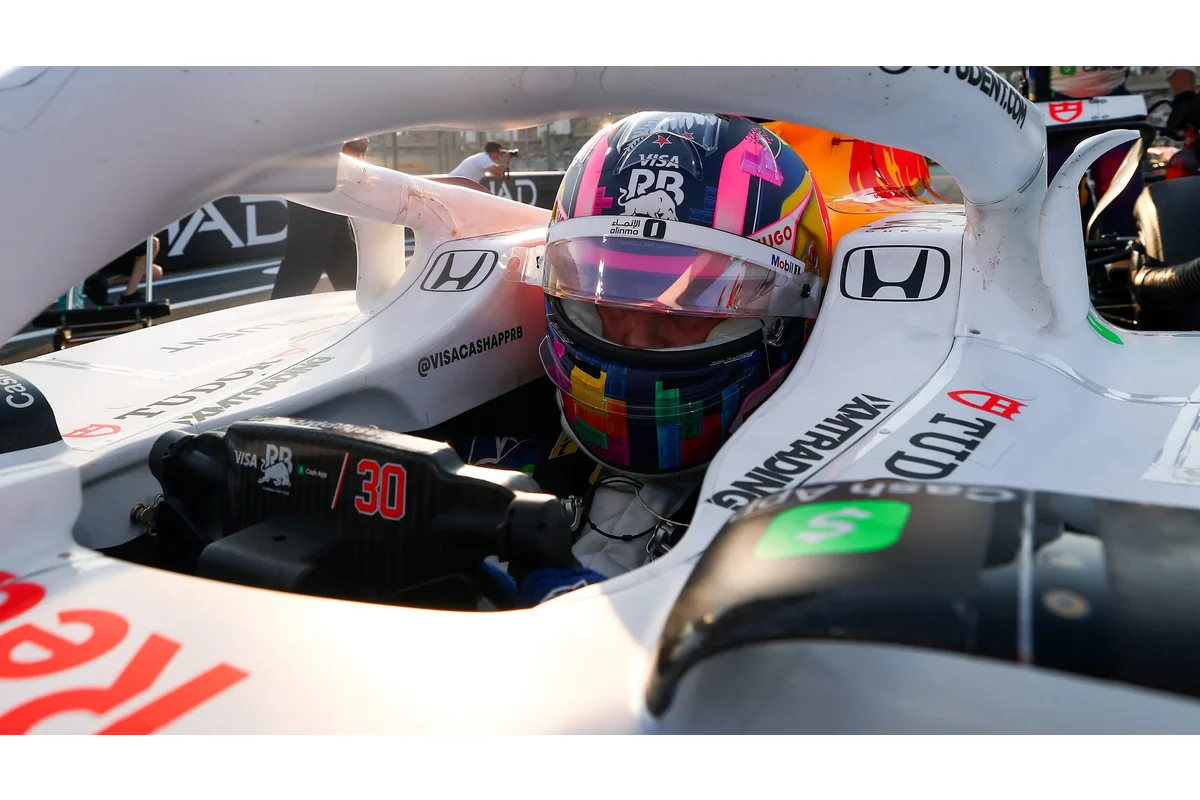
Simulator Testing Hints at a Complex Future
While the driving community may not all be fully enthusiastic, preparations have begun, especially with simulator sessions starting as early as late 2024. Early feedback from these tests has been mixed, highlighting the uncertainties and complexities introduced by features like active aerodynamics and state-of-the-art electric energy management systems. These changes are set to make each race more complicated, requiring drivers to adapt quickly and decisively.
Lawson elaborated on how simulator insights point to an entirely new driving experience, which will require a profound adjustment period for everyone involved:
“I haven’t driven the 2026 car yet, but from what I’ve gathered in the simulator, it will be vastly different from anything we’ve driven before. This will be a monumental change,”
he stated, stressing the necessity of rigorous preparation before the first on-track tests.
Energy Management Now Central to Race Outcomes
Hailing from New Zealand, Lawson is sharply focused on mastering the intricacies of energy management. With new technology set to magnify the role of driver input, the strategies around using and saving energy may become more important than ever. He commented on this growing responsibility:
“The energy management we will need to conduct with the 2026 vehicle will be crucial. Potentially, the driver will have a much greater impact on performance than before. This is something we need to be acutely aware of,”
Lawson explained.
His warnings suggest that as these technological upgrades come into play, the gap between success and failure may hinge more on driver judgment and adaptability rather than just raw vehicle performance. Racing teams will have to recalibrate their approach, ensuring drivers are ready to make split-second decisions that could alter race results.
What Awaits Fans and Competitors in 2026?
Looking ahead, drivers like Max Verstappen, as well as veteran competitors such as Fernando Alonso and technical minds around the grid, are all preparing to navigate this newly energized and complex racing world. The global community of fans and experts watches with anticipation as Formula 1 enters a chapter characterized by innovation and risk. The 2026 regulations, championed by figures like Lawson and analyzed by analysts and former champions, raise the stakes for everyone involved.
As the season approaches and drivers increase their preparation, Formula 1’s core may be redefined—not only by the power of machines but by the intelligence and reflexes of those behind the wheel. The next evolution of motorsport history is fast approaching, promising to dazzle, challenge, and ultimately transform both the racing world and its passionate followers.
