
Marc Marquez has surprised the MotoGP community by confirming he will not take part in the upcoming Ducati tests at the challenging Portimão circuit. This decision comes as Marquez is focused on preparing carefully for his return to MotoGP in the 2026 season, prioritizing his health and long-term career prospects over immediate track time.
Background on Marquez’s Injury and Recovery Process
The Spanish rider suffered a serious shoulder injury during the 2025 Indonesian Grand Prix after a collision with Marco Bezzecchi, which has significantly impacted his season. Following emergency surgery in Spain, Marquez has been undergoing intense rehabilitation that forced him to miss the post-season testing sessions in Valencia. His cautious approach reflects a new mindset centered on recovery rather than rushing back into competition prematurely.
Ducati’s Stance and Contract Negotiations Await GP26 Reveal
Ducati remains uncertain about Marquez’s future but expresses interest in continuing their partnership into 2027. Final decisions regarding his contract will be made only after the official presentation of the GP26 bike. Team manager Davide Tardozzi has indicated that discussions will shortly resume, acknowledging Marquez’s exceptional skill while stressing the need for careful evaluation before reaching any agreements.
Portimão Test: Risk Versus Readiness
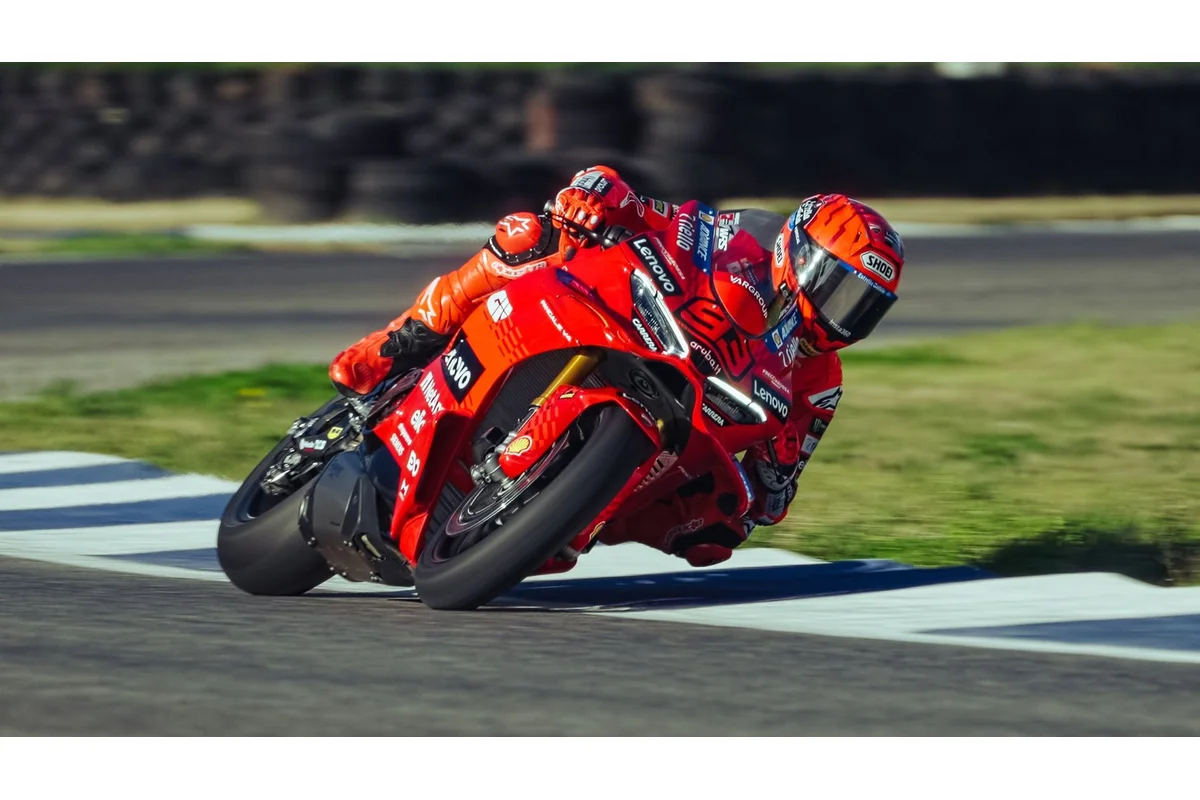
Ducati had planned a comprehensive testing session at Portimão, which would include activities for both MotoGP and Superbikes. Although participating could provide valuable data, Marquez has chosen to focus entirely on recovery and aims to arrive fully ready at the Sepang circuit’s season-opening events on February 3. Portimão is known for its demanding layout and high risk of crashes, making Marquez’s decision to avoid the test a measured effort to prevent setbacks.
Cautious Strategy Reflects Lessons from Past Incidents
Training accidents at dangerous circuits have had serious consequences in recent years, as demonstrated by Jorge Martin’s 2025 injury from rushing his comeback. At 32, Marquez is acutely aware of the toll racing takes on his body and is adjusting his approach to avoid unnecessary hazards. Although his crash rate has dropped since joining Ducati, past injuries serve as reminders that patience may be key to sustaining his career and championship ambitions.
Marquez’s Maturity and the Challenge Ahead
The rider’s choice to temper his natural aggressive racing style signals a significant evolution in his mindset, marking a shift toward longevity over immediate success. Managing his physical limits while preserving his competitive edge will be critical if he hopes to contend for future titles. Should Marquez balance these factors well, he could emerge as a strong championship challenger. Conversely, any missteps could derail both his season and Ducati’s prospects early on.
The High Stakes of Marquez’s Calculated Approach
By opting for caution instead of jumping into the Portimão test, Marquez is making a strategic gamble that may ultimately prove to be his greatest asset as the 2026 season approaches. The MotoGP community watches closely as he prepares for what many hope will be a triumphant return. His comeback battle is not only against rival riders but also against the risks posed by his own physical resilience and competitive drive—making his journey one of the most intense and closely followed storylines in the sport.
“Negotiations will resume soon.” ? Davide Tardozzi, Ducati Team Manager
