
Andretti Global driver Marcus Ericsson criticized Formula 1’s decision to schedule the 2026 Canadian Grand Prix on the same weekend as the prestigious Indy 500. Speaking at the World Wide Technology Raceway ahead of the upcoming IndyCar event, Ericsson expressed disappointment over the clash that forces motorsport fans to choose between two major racing spectacles.
The 2026 F1 calendar, released in early June, includes a notable change that moved the Canadian GP forward by one race weekend, swapping places with the Monaco GP. This adjustment results in the Canadian GP coinciding directly with the Indy 500. The overlap is particularly significant because both events occur in the same time zone, heightening the conflict for spectators and viewers worldwide.
The annual Indy 500, along with the Coca Cola 600 and Monaco GP, traditionally took place on the Memorial Day weekend, creating a famed motorsport triple-header. However, Formula 1’s effort to reduce CO2 emissions by minimizing freight transfers between venues has led it to a tighter 2026 schedule that clusters its European races and moves the Canadian GP to immediately follow the Miami GP. This has inadvertently caused the race clash that drew global criticism.
Motorsport enthusiasts and industry figures condemned F1’s scheduling choice, citing the challenge it presents in dividing attention between two headline events. When asked by Frontstretch about the situation, Marcus Ericsson addressed the issue candidly, emphasizing the uniqueness of the Indy 500.
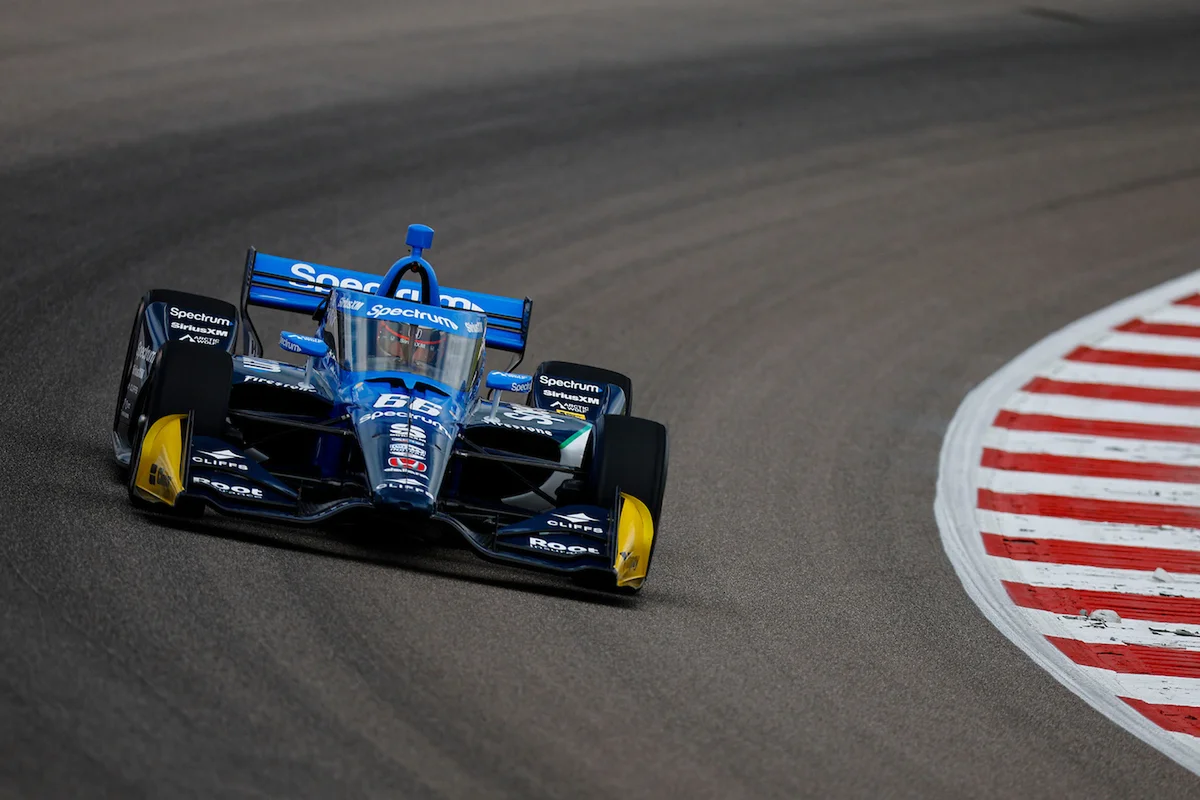
“That’s an easy one. It’s the Indy 500, it’s unique. The 500 is the best race in the world. I love the Canadian GP as well, I think it’s really fun, but there is no comparison between the two,” said Marcus Ericsson.
“Personally, I’m just a little bit sad to see it because I love F1 as well, I love watching F1 and putting us up against each other, I don’t think it’s necessary really. So, hopefully it’s a one time thing and they will reconsider because it’s better when they don’t conflict with each other,” added Ericsson.
Ericsson, who previously competed in Formula 1 with Caterham and Sauber before transitioning to IndyCar, reflects the perspective of a driver closely connected to both racing worlds. His insight underlines the frustration felt by those invested in the success of both series.
Impact of Night Racing on World Wide Technology Raceway Preparations
The upcoming Bommarito Automotive Group 500 at the World Wide Technology Raceway was initially slated as a daytime race on the 2025 IndyCar calendar. However, following announcements from FOX and IndyCar after the season started, the race will now take place under the lights as a night event, altering preparation routines.
When asked about how the evening schedule affects car setup, Marcus Ericsson explained the key technical adjustments required for competing in cooler track temperatures without sunlight heating the circuit.
“A little bit with the car setup. You need to, you know, tune a little bit more to have an evening race with a cooler track temperature mainly because the sun is not going to be out and heat the track up. So more fine tuning than anything. It’s not going to change like a dramatic thing.”
The Bommarito Automotive Group 500 is scheduled for Sunday, June 15, at the 1.25-mile World Wide Technology Raceway circuit. The switch to night racing is expected to bring subtle challenges for teams but also offers a different atmosphere for fans and drivers alike.
Significance of the Scheduling Conflict and Future Expectations
F1’s decision to place the Canadian GP in direct competition with the Indy 500 disrupts a longstanding tradition that motorsport fans value highly. Both events have immense cultural and sporting significance in their respective racing disciplines, and their simultaneous scheduling threatens divided audiences and diminished attendance.
This clash may pressure organizers and governing bodies of both series to reassess future calendars to avoid overlapping marquee events. Ericsson’s comments highlight the importance of maintaining distinct spaces for significant races to maximize fan experience and media exposure. How this situation evolves could influence scheduling strategies, broadcast arrangements, and fan engagement approaches in coming seasons.
