
Max Verstappen, the reigning Formula 1 champion, has long been known for his candid and sometimes confrontational interview style, a trait perhaps understandable given his four drivers’ championships. Central to his off-track challenges is a persistent rivalry with Sky F1’s reporter Ted Kravitz, reflecting ongoing tensions between Verstappen and much of the British F1 media. This rivalry has resurfaced amid recent events that underline the friction between the two.
Verstappen’s rise to prominence began with his dramatic 2021 championship win, a victory that propelled him into the spotlight and led to portrayals of him as a divisive figure within the sport. His subsequent dominance during the 2022 and 2023 seasons, where he secured back-to-back titles and largely carried Red Bull’s success, intensified this perception. Despite Red Bull’s strength under Christian Horner’s leadership, the 2023 season was criticized as one of the dullest in recent F1 history due to the team’s overwhelming superiority.
In 2023, Verstappen’s performance was extraordinary—he won 19 of 22 races and was only beaten once by a non-Red Bull driver, Carlos Sainz, who took victory at the Singapore Grand Prix. Verstappen’s dominance solidified his reputation but also increased scrutiny from the media, especially during contentious moments such as the Spanish Grand Prix.
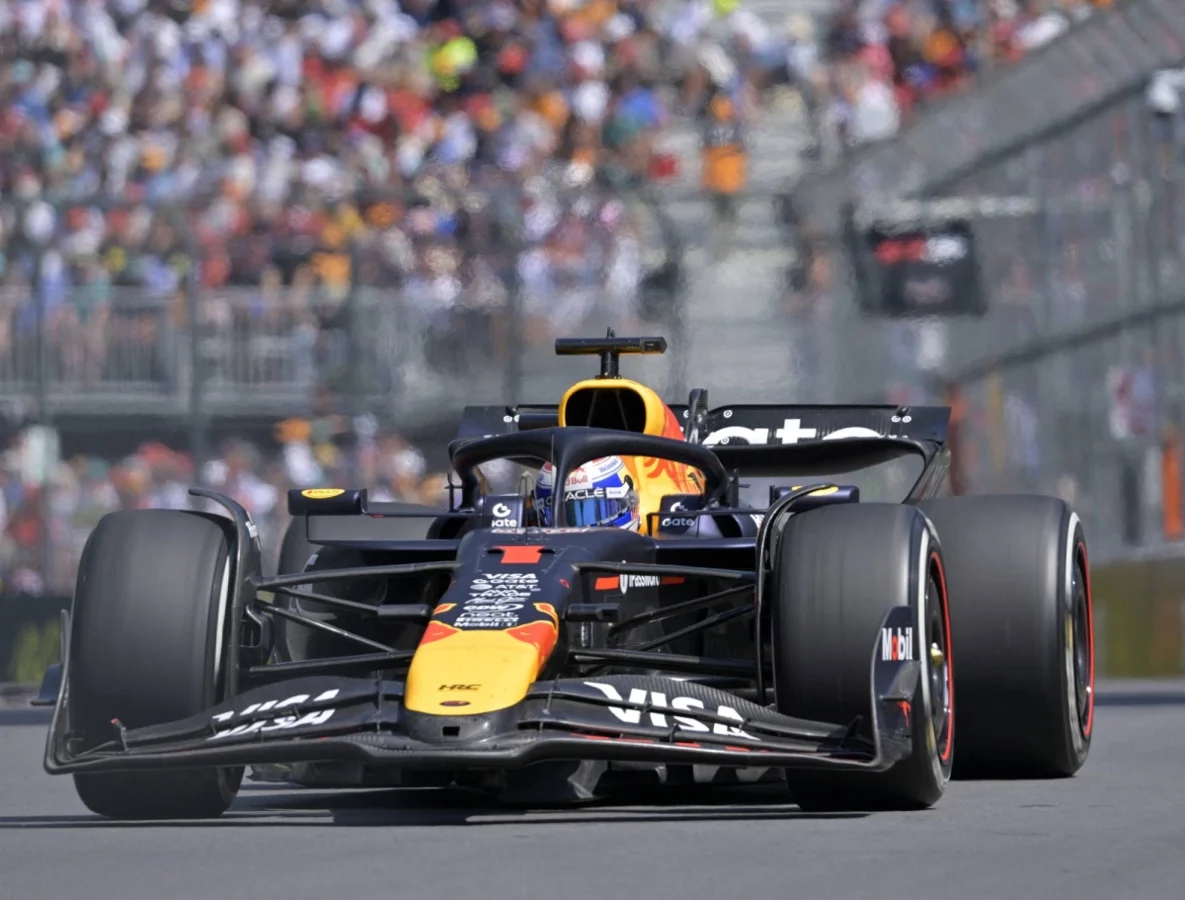
The Ongoing Friction Between Verstappen and Sky F1
Heading into the 2025 season with four consecutive world championships, Verstappen faces pressure to equal a fifth, a feat many consider difficult but not impossible. Alongside his on-track efforts, he has grown increasingly impatient with the off-track elements of his role, particularly the media’s focus on entertainment value. His strained relationship with Sky F1 has been a significant source of frustration, highlighted in a recent confrontation with Ted Kravitz during the Canadian Grand Prix week.
After the Spanish Grand Prix, Verstappen was questioned about a controversial decision to allow George Russell to pass in the race’s final stages, a call later acknowledged by the FIA as a mistake. Kravitz pointed this out during an interview, provoking a sharp reaction from Verstappen, who appeared to resent the singling out of Red Bull personnel like sporting director Stephen Knowles. This incident added fuel to the existing tension, illustrating Verstappen’s growing intolerance for what he interprets as one-sided criticism.
The friction extends beyond Kravitz, as seen when fellow Sky Sports reporter Rachel Brookes faced similar hostility. Her repeated questioning about the Barcelona incident where Verstappen collided with Russell seemed to frustrate the champion, especially when she suggested that the contact diminished his sporting achievements and set a negative example for young fans. When Brookes directly asked whether the crash was intentional, Verstappen’s curt reply, “Does it matter?”, emphasized the deep unease underlying the exchanges.
The Fallout from Abu Dhabi 2021 and Impact on Media Relations
Verstappen’s rocky relationship with Sky Sports dates back to controversies surrounding the 2021 Abu Dhabi Grand Prix, where race director Michael Masi’s handling of a late safety car period dramatically influenced the championship outcome. The incident denied Lewis Hamilton a record eighth title and secured Verstappen’s maiden championship under contentious circumstances that continue to divide fans and commentators.
Following the race, FIA investigations cited “human error” for the race management decisions, culminating in Masi’s removal from his role. Ted Kravitz’s coverage sparked outrage within Red Bull’s camp, particularly when he remarked in his notebook segment that Hamilton had been “robbed” of what would have been a historic victory. This commentary led to a temporary boycott of Sky Sports by Red Bull during the 2022 Mexican Grand Prix weekend, with team principal Christian Horner demanding fairer media treatment before resuming interviews later that year in Brazil.
The incident remains a sensitive subject and continues to influence Verstappen’s interactions with journalists. It also highlights the broader tensions that surround high-profile rivalries in the sport, where media narratives can add layers of complexity to already intense competition on the track.
What This Rivalry Means for the Future of F1 Coverage
The ongoing clashes between Max Verstappen and Ted Kravitz illustrate a deeper conflict between a top driver’s desire for respect and the media’s role in scrutinizing and analyzing the sport. Verstappen’s blunt answers and visible discomfort with certain lines of questioning reveal a growing divide, with potential implications for how F1 narratives are shaped and consumed.
As Verstappen aims to chase further records and maintain his position at the sport’s summit, his interactions with media figures like Kravitz will likely remain a focal point for fans and commentators alike. This dynamic could influence the tone of F1 coverage, with teams and drivers possibly reassessing their approach to media engagement to balance transparency with loyalty and image management.
Ultimately, the Max Verstappen and Ted Kravitz rivalry in F1 is more than personal friction—it is a reflection of the pressures facing modern champions in a media-driven sporting environment, setting the stage for continued tension in upcoming seasons.
