
Max Verstappen declares independence from his long-time mentor Helmut Marko, marking a significant transition for both the star driver and Red Bull Racing. This development comes after Marko’s recent retirement as Red Bull’s motorsport advisor, signaling the beginning of a new era just as the team faces significant internal changes and the Formula 1 landscape shifts.
End of an Iconic Mentorship
Helmut Marko’s retirement at the end of the 2025 season was accompanied by a heartfelt farewell with Verstappen, whose career he had guided since the earliest stages. Their partnership was notably influential, shaping Verstappen’s progression from a promising karting talent into a force within Formula 1. When speculation arose in 2024 regarding Marko’s potential exit, Verstappen’s loyalty was unmistakable—he made it clear that Marko’s departure could impact his own future with Red Bull.
Despite the close bond, Marko believes the time has come for Verstappen to chart his own course.
“Max has become such a personality now that he no longer needs advice – he’s more like a team leader,”
Marko stated in an interview with F1-Insider, highlighting Verstappen’s newfound authority and independence as Red Bull’s leading competitor—Helmut Marko, former motorsport advisor. This transformation raises questions about the evolving dynamics between Verstappen and the Red Bull team moving forward.
Red Bull Racing Moves Into Uncharted Territory
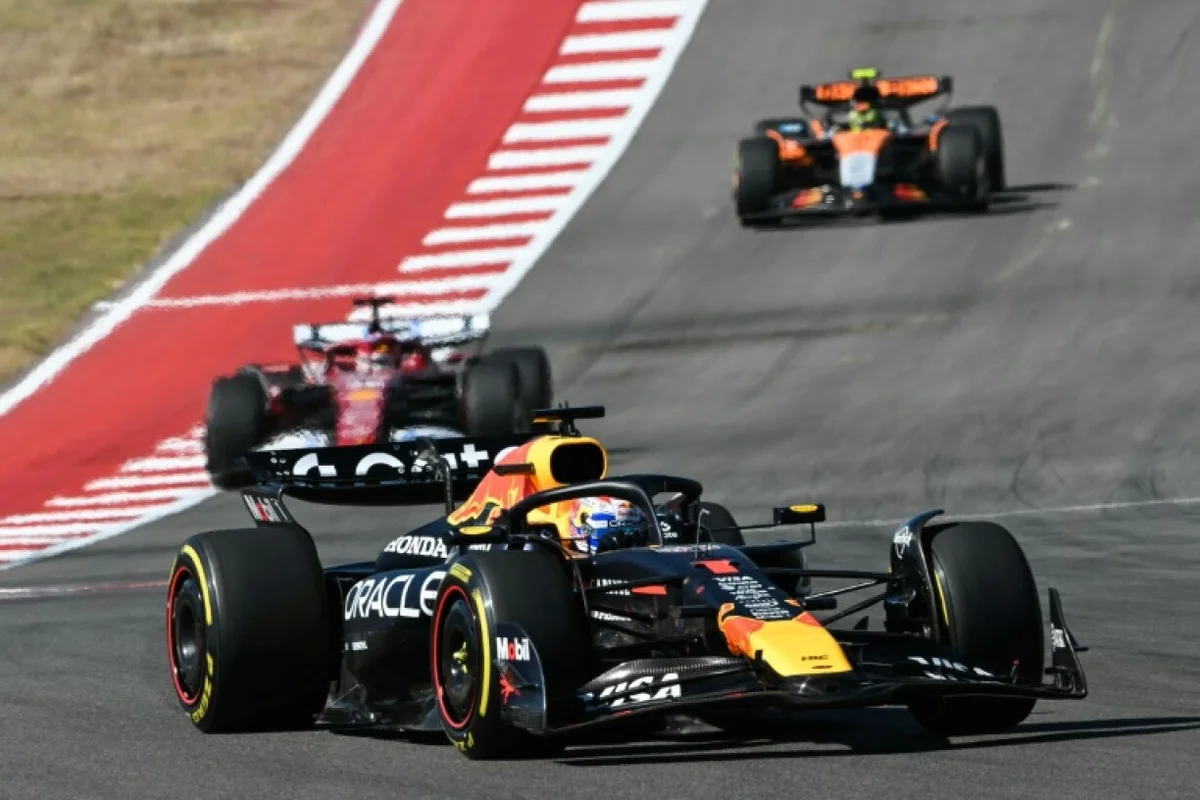
Red Bull’s internal landscape is nearly unrecognizable from just a year ago, with the departure of several influential figures. The exits of team principal Christian Horner, designer Adrian Newey, and strategist Jonathan Wheatley have left a leadership vacuum that Laurent Mekies is now tasked with filling, taking over as only the second team principal in the team’s history. The team’s direction has shifted further as it pursues the ambitious goal of developing its own power units after ending a successful relationship with Honda that lasted until 2025.
Internal Shifts and Wider Formula 1 Impacts
While personalities such as Lewis Hamilton and Melissa Eickhoff make moves in their respective corners of the motorsport world, Red Bull’s focus is on adapting to new regulations and keeping their lead driver content. The recent organizational changes and the development of in-house power units introduce risk during a time of flux. For Verstappen, who once relied on the steady guidance of his mentor and a stable team environment, these changes present both a challenge and an opportunity to further assert himself as a key leader.
The Road Ahead: Uncertainty and Opportunity for Verstappen
With the 2026 season fast approaching, all eyes are on whether Red Bull can provide Verstappen with a car capable of competing at the front. There is speculation that if the team does not meet his expectations, Verstappen could use the next season to evaluate which teams have best adapted, potentially setting the stage for a blockbuster move in 2027. The pressures on Laurent Mekies and the restructured team are immense, as Verstappen’s loyalty and the team’s future hang in the balance.
Max Verstappen’s journey as a team leader now stands at a crossroads, reflecting the shifting tides within Formula 1 and the determination of its most prominent personalities. As the team embarks on a period of rebuilding and reinvention, the long-term impact of Verstappen declaring independence from his mentor will be seen in Red Bull’s fortunes and the broader trajectory of the sport. The world of F1 watches closely, knowing the outcome may redefine what it means to be a superstar amid ever-changing circumstances.
