
Carlos Sainz challenged the criticism made by Max Verstappen and Lewis Hamilton regarding the delayed start of the Formula 1 race at Spa. He explained that the FIA had informed drivers and teams earlier in the week that they would adopt a conservative strategy due to safety concerns. The decision to delay the race drew significant frustration from fans and some drivers alike, especially given the intense anticipation surrounding the event.
A rainfall prior to the race caused visibility issues due to heavy spray on the track, prompting the FIA to postpone the start. After a second predicted shower passed, the race officials finally gave clearance to begin. Despite this, dissatisfaction grew when the safety car remained on the circuit for several laps, even though dry sections of the track became apparent. Verstappen and Hamilton were among the most outspoken, arguing that the prolonged safety car deployment diminished the competitive excitement of the race.
However, Sainz emphasized that Spa’s history of serious incidents in wet conditions compelled the FIA to prioritize caution. He remarked on the unique challenges, highlighting the difficult balance between racing and safety.
“I always thought Formula 1 should almost like, if possible, innovate and try something different. And I think there’s certain kind of tarmacs that if you would put them [the cars] on a straight line, there would be no spray, and they exist. But most circuits don’t have it. In the end, the biggest problem for us is visibility, it’s what keeps us from racing.”
—Carlos Sainz, Driver
“I think Spa is a very particular case where there’s been a very dark past at this track, and the FIA consciously took a very conservative approach, and they warned us on Thursday that they would take a very conservative approach.”
—Carlos Sainz, Driver
Communication Gaps Between Formula 1 and Fans Highlighted by Sainz
The cautious handling of the Spa race sparked debate over whether better communication could have alleviated frustrations. Max Verstappen, Sainz’s former teammate, criticized the FIA’s conservative tactics, suggesting they prevented a classic display of wet-weather racing. Sainz agreed it might have helped if the rationale behind the approach had been more clearly explained to the public.
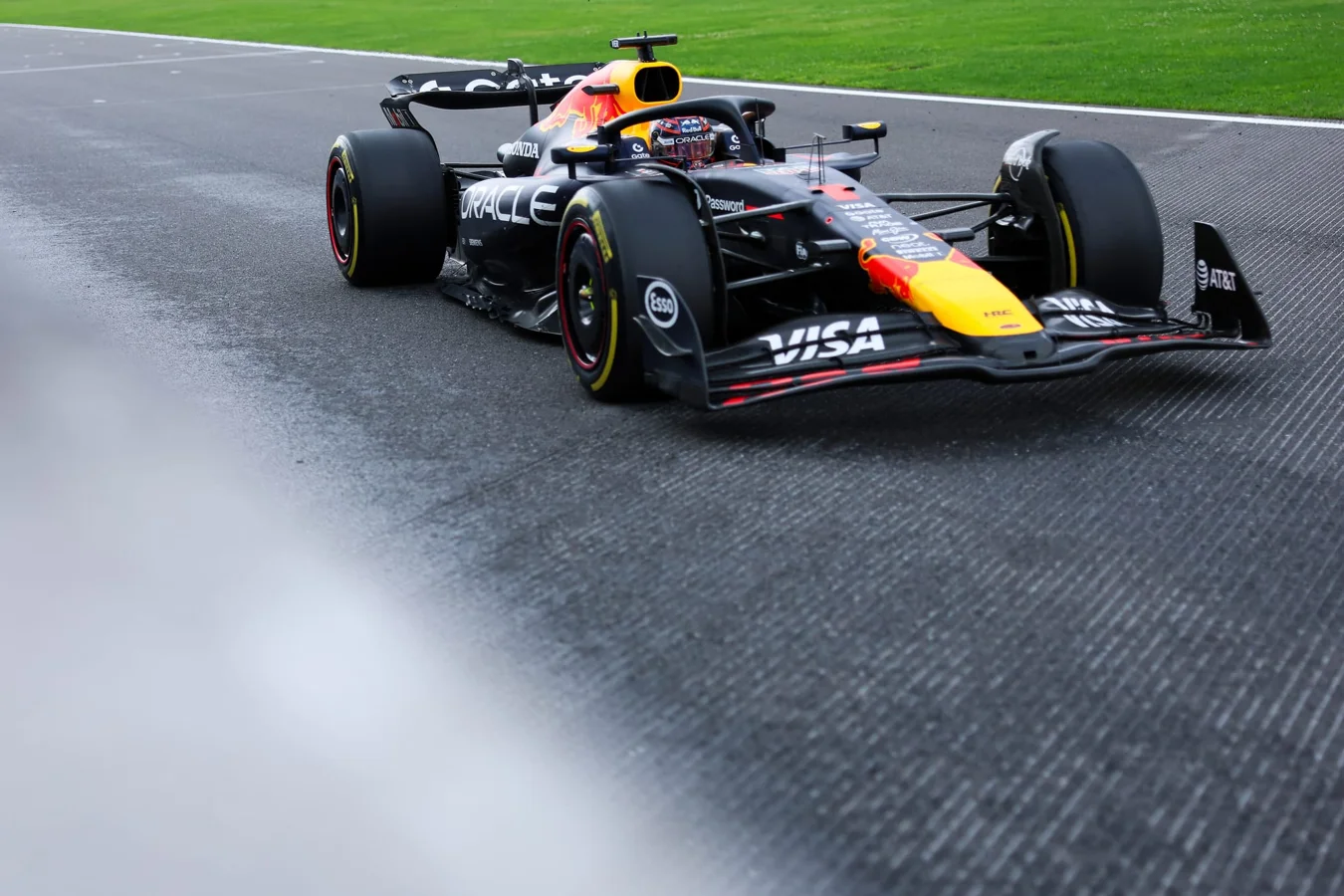
He suggested that by providing fans with details about the track‘s hazardous past and the FIA’s deliberate safety-first method, expectations could have been managed more effectively.
“Maybe we should have done a better job in communicating that, or they should have communicated to the fans, to the world, we’re going to play it very easy because of its dark past, and this is what happened in the past and why we’re going to play it safe on Sunday. Just for everyone, maybe to have a bit more awareness.”
—Carlos Sainz, Driver
Despite having a less favorable race due to his choice of a high downforce setup, which ultimately hindered his performance, Sainz remained sympathetic to the FIA’s decisions. He maintained support for the safety measures both during and after the event, recognizing the complexities involved in balancing competitiveness with driver protection.
Implications for Future Race Day Strategies and Fan Relations
The events at Spa underscore the tension between the desire for thrilling racing and the imperative of driver safety under unpredictable weather conditions. The FIA’s ultra-cautious policy reflects an awareness of Spa’s dangerous wet-weather history, but it also reveals a communication gap with fans expecting more action on race day. Moving forward, Formula 1 organizers may need to improve transparency regarding safety protocols to temper disappointment and foster greater understanding among spectators.
For drivers like Carlos Sainz, the key lies in accepting safety as a priority while encouraging innovation that could mitigate issues like poor visibility without compromising racing intensity. The dialogue between drivers, teams, and the FIA will likely continue as they seek solutions that respect both safety and the spirit of competition in future wet weather scenarios.
