
Max Verstappen was issued a minor warning after he threw a towel from his Red Bull RB21 during the second practice session of the 2025 Hungarian Grand Prix. The Dutch driver unintentionally left the towel inside the cockpit when exiting the pits and later discarded it between Turns 3 and 4. This incident led to a review by the race stewards, as they evaluated the safety implications of the action during the session at the Hungaroring.
Details of the Towel Incident on Track
During FP2, Verstappen departed from the garage with a towel still inside his cockpit. Rather than allowing it to remain in the footwell—where it could interfere with pedal operation—the driver chose to remove it from the car by tossing it onto the track surface. The towel remained on the circuit for the rest of the session, raising concerns about its potential to cause danger. In his own explanation, Verstappen stressed that he acted to avoid risk.
It was just a towel you normally wipe your face with when you come back in, so it was still in the car when I went out,
he said.
Instead of it potentially flying in between my feet, which was the dangerous part, I drove off line and got rid of it in the safest way possible, so I think the stewards understand.
—Max Verstappen, Driver
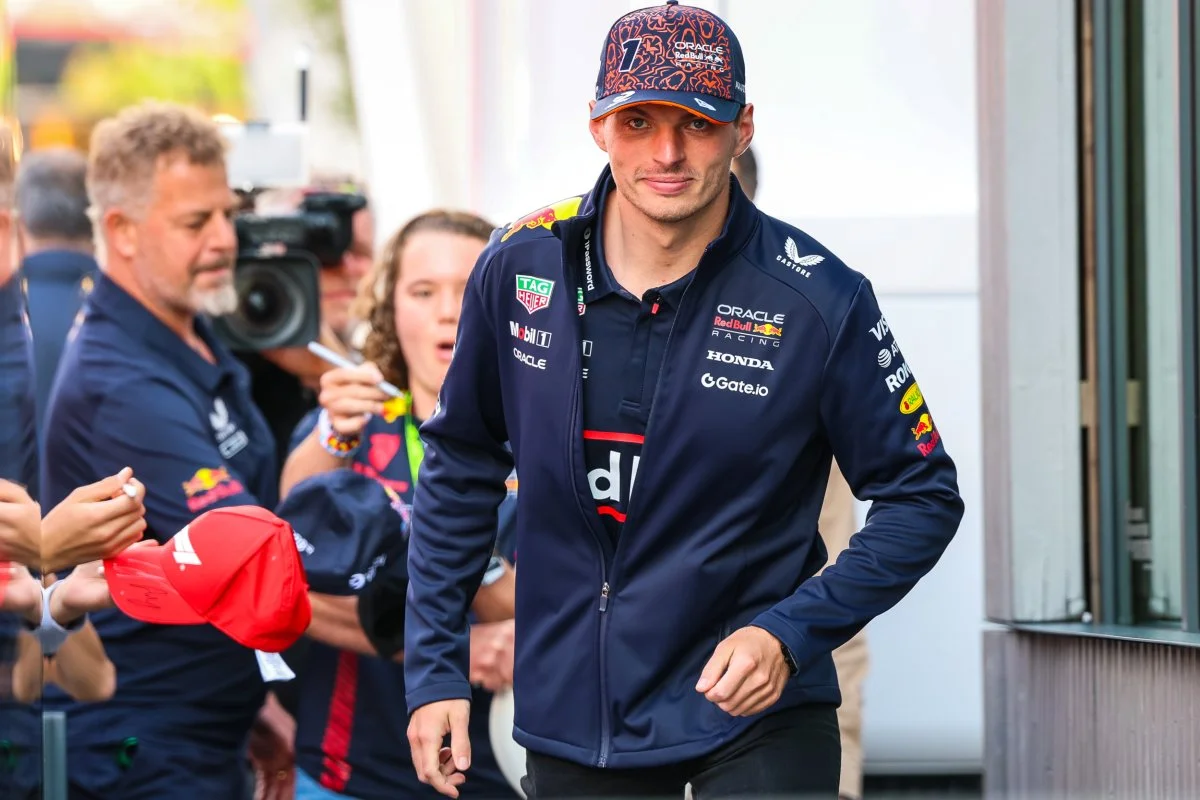
Stewards’ Assessment and Rationale for Warning
The officials concluded that releasing the car with a loose item in the cockpit qualified as an unsafe condition. Their official report stated that the towel had the potential to lodge in the driver’s footwell and impair control of the vehicle. However, they distinguished this case from those involving hard objects, which pose a more severe hazard.
The stewards determine that the towel had the potential to have become lodged in the footwell and to interfere with the driver’s ability to fully control the car and that therefore the car was released in an unsafe condition,
the report noted.
The stewards consider this case to be distinguishable from a case where a hard (and therefore potentially dangerous) object is left in the cockpit and to be less severe than such a case.
Red Bull’s Perspective and Broader Safety Message
Stephen Knowles, Red Bull’s head of sporting regulations, defended the driver’s decision and framed the warning as an important caution not only for Verstappen but for all teams on the grid. Knowles emphasized the intention behind the penalty was deterrence and heightened awareness regarding cockpit safety during car releases.
If a car leaves the garage with any loose item inside the cockpit, there is always a risk of danger, Knowles explained. Although the towel is soft and less likely to cause harm compared to other objects, it could have interfered with pedal operation in extreme scenarios. He stated the warning was a reasonable and measured response to reinforce the responsibility teams have to ensure the cockpit interior is clear before releasing cars onto track.
I think it’s probably fair for them to issue that lenient but still minor warning so that it’s a reminder for everybody else that you do need to be careful not to do that and the teams have a responsibility to make sure that the cockpits are free of anything – any floating items – when they leave the garage.
—Stephen Knowles, Red Bull Head of Sporting Regulations
Implications for Future Safety Practices at the Hungarian Grand Prix and Beyond
While the towel incident did not result in a serious penalty for Verstappen, it underscored the stewards’ cautious stance on car safety procedures. It highlighted the importance of maintaining strict controls over objects in the cockpit and reinforced the expectation that teams manage these risks proactively. The relatively lenient warning serves as a reminder that safety infractions, even those involving seemingly minor items, are taken seriously and that the entire Formula 1 community must adhere to rigorous standards during race weekends.
Moving forward, Verstappen’s minor warning may encourage all competitors to double-check their cockpit conditions more thoroughly. Ensuring that nothing poses a threat when cars leave the garage could prevent future incidents with potentially more severe consequences.
