
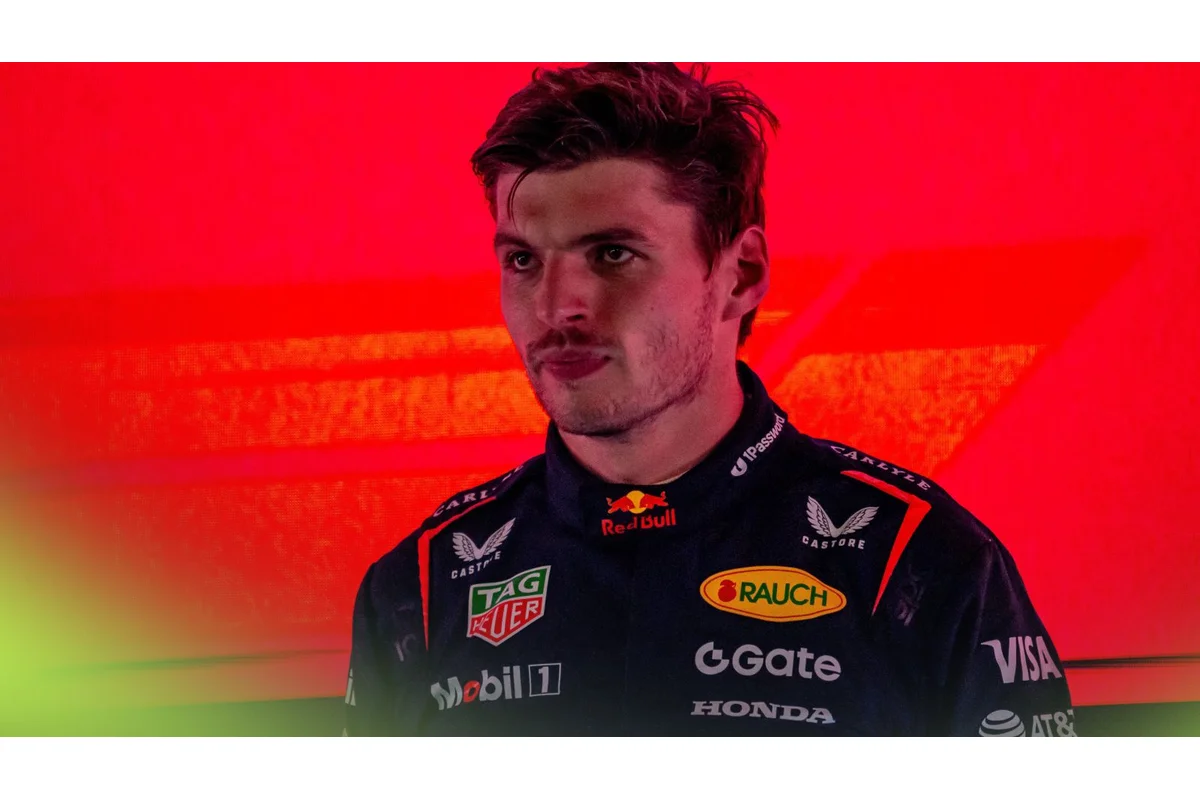
Max Verstappen, a four-time Formula 1 champion, has issued a direct challenge to the media just as anticipation builds for the 2026 F1 season. After a thrilling year with Red Bull that saw him narrowly miss his fifth drivers’ title by two points, Verstappen’s comments about media conduct have taken center stage as the sport approaches a major rule overhaul, making the Max Verstappen media challenge a key storyline for fans and insiders alike.
Outspoken Words Ignite Reactions Across the F1 World
Verstappen, fresh off a revered victory at the Abu Dhabi Grand Prix, is known for his unfiltered communication style, and he did not hold back during a recent appearance on Red Bull’s Talking Bull podcast. Addressing the press directly, he declared,
“Don’t ask that many stupid questions because if you ask me a stupid question, you get a stupid answer!”
—Max Verstappen, Formula 1 Driver. This comment immediately drew a stunned response from co-host Tommo McCluskey, while Nicola Hume, another host, responded with laughter at Verstappen’s unabashed honesty.
With over a decade of racing expertise, Verstappen has grown increasingly forthright regarding the media’s role within the Formula 1 community. His comments did not come without precedent—throughout his 13 seasons, Verstappen has often taken issue with what he perceives as poor journalism or repetitive questioning. His track record includes boycotting media sessions in 2024 and leaving an FIA press conference after being admonished for his candid takes at the Singapore GP.
A Push for Elevated Standards in F1 Journalism
The relationship between drivers and journalists has occasionally proved tense, but Verstappen’s emphasis on improving media engagement signals a clear push for higher accountability. He has historically resisted what he considers ineffective or provocative coverage, and his recent statements reinforce an ongoing demand for more insightful and relevant conversation within the paddock.
This perspective resonates as Formula 1 itself navigates significant transformation, with new rule changes focused on sustainability and viewer experience set to take effect in 2026. Verstappen, as a Dutch powerhouse and fierce competitor, is expected to maintain his role at the forefront of both on-track battles and media interactions. His words not only address journalists but also highlight the evolving expectations of the F1 community regarding the conduct and quality of press engagement.
Anticipation Builds as the Next Season Approaches
As rival teams like Williams grapple with their own challenges—recently discussed by Carlos Sainz—and rising stars such as rookie Oliver Bearman vie for a shot at Ferrari’s top seat, the spotlight remains firmly fixed on Verstappen’s call for thoughtful discourse. His direct challenge serves as a broader reflection on how the F1 world values communication and transparency.
With heavyweight figures—including former champions and current contenders like Lewis Hamilton and Nico Rosberg—continuing to shape the narrative on and off the track, Verstappen’s media demand may very well set the tone for future exchanges between drivers and journalists. The season promises not only fierce competition during races but also a new chapter in the ongoing dialogue between F1’s biggest names and those who cover them.
The Future of Media Relations in Formula 1
The coming season may determine whether journalists adapt their questions to bring greater insight and engagement or if they risk further confrontations with one of motorsport’s most talented and uncompromising champions. As regulations shift and the engines start to roar once again, Verstappen’s bold stance ensures the conversation surrounding the Max Verstappen media challenge will remain a prominent fixture in both the paddock and the press room well into the future.
