
Max Verstappen, the current Formula 1 world champion, has sparked debate by calling for a fundamental shift toward lighter cars in the sport. As Formula 1 prepares for major regulatory changes in 2026, Verstappen insists that the sport should return to the lighter, more agile vehicles of the late 2000s and early 2010s to restore racing excitement and improve overtaking opportunities.
The upcoming 2026 season will see a significant redesign of chassis and power unit regulations, introducing smaller cars with active aerodynamics and a new combustion-electric engine balance. However, Verstappen argues these modifications do not go far enough, pointing out that the increasing weight of modern F1 cars has made close racing more difficult and less thrilling for fans.
Challenges with Current Car Weight and Design Constraints
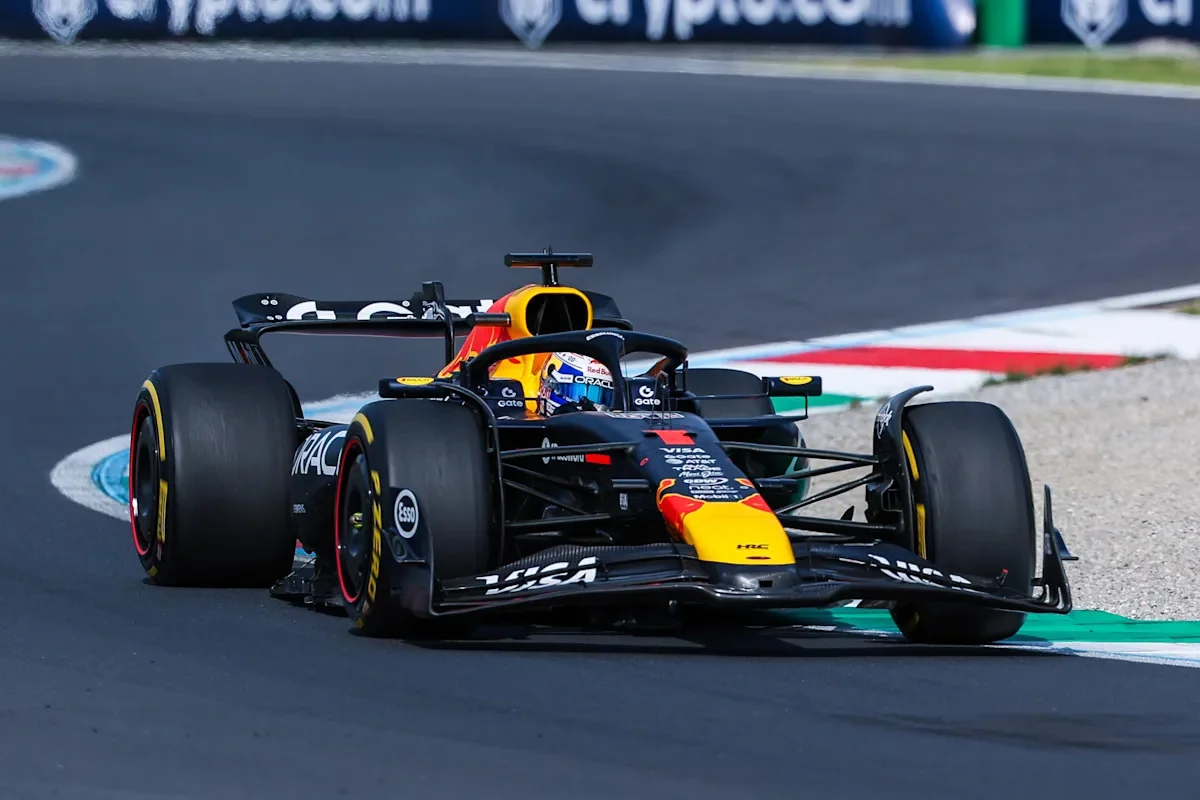
Verstappen highlighted the importance of reducing car size and weight, recalling a period when Formula 1 cars were about 180 kilograms lighter than today’s models. He expressed concern over the current engine designs, which, while very efficient, are also quite large. This size increase demands longer chassis and enhanced cooling systems, which he believes negatively impact the spectacle on track.
What is the most important is lighter cars, smaller cars,
Verstappen declared emphatically.
At the moment, the engines are super efficient, but they are also quite big,
he added, emphasizing how these larger components contribute to the heaviness and unwieldiness of the cars.
Verstappen’s Vision for a More Exciting Future
The four-time world champion envisions a return to the agility that defined previous eras of Formula 1, which he believes would reignite the excitement that recent seasons have lacked. Despite his convictions, Verstappen acknowledged his limited influence in decision-making processes.
But at the end of the day, I’m not the one deciding,
he admitted, reflecting the uncertainty about whether governing bodies and teams will adopt his perspective.
Red Bull’s Transition to a New Power Unit and the Implications for 2026
Adding complexity to the sport’s upcoming changes is Red Bull Racing’s plan to introduce its own power unit next season after a partnership with Honda. This shift raises questions about how the team will perform against rivals like Mercedes, which currently operates one of the most powerful engines on the grid.
Verstappen approaches this transition with cautious optimism amid the unknowns surrounding the integration of new technology and altered car dynamics.
It’s a big question mark, for sure, but honestly I think there are not many people that can say right now, ‘yes, we are going to be really, really good’,
he confessed, highlighting the unpredictable nature of the challenges ahead.
The Road Ahead: Will Formula 1 Embrace Verstappen’s Call for Lighter Cars?
As Formula 1 counts down to the 2026 rule changes, Verstappen’s strong advocacy for lighter, more compact cars intensifies the discussion about the sport’s direction. His call aims to enhance racing quality and offer fans the excitement that heavy, cumbersome vehicles have diminished.
The key question remains whether F1’s stakeholders will adopt his vision or maintain the current trajectory, potentially leaving fans to watch races dominated by larger, less maneuverable machines. Regardless, the evolving landscape promises dynamic challenges and opportunities in the years to come.
