
As Max Verstappen weighs a potential switch to Mercedes ahead of the 2026 Formula 1 season, Jacques Villeneuve cautions that Mercedes’ past success in engine development does not guarantee future dominance. With the upcoming major regulatory overhaul bringing new cars and engine formulas, the championship landscape remains unpredictable despite optimistic signs from Mercedes.
The 2026 season promises the sport’s biggest technical changes yet, with all teams introducing fresh power units and aerodynamic designs. While insiders in the paddock report positive momentum within Mercedes, there is no clear favorite emerging at this stage.
Williams team principal James Vowles noted that Mercedes has performed impressively developing the new power unit, describing their work as “exceptional.” Williams driver Alex Albon echoed this confidence, calling the Mercedes engine a “safe bet” given the team’s consistent advantage during previous regulation shifts.
Not to say I don’t think other teams will do a good job, but I think it’s [Mercedes power] at least a safe bet.
—Alex Albon, Williams Driver
Despite this, rival engine manufacturers, including Red Bull Powertrains—collaborating with Ford—are also believed to be achieving key development targets. Christian Horner, Red Bull’s team principal, emphasized their progress with the new engine, stating:
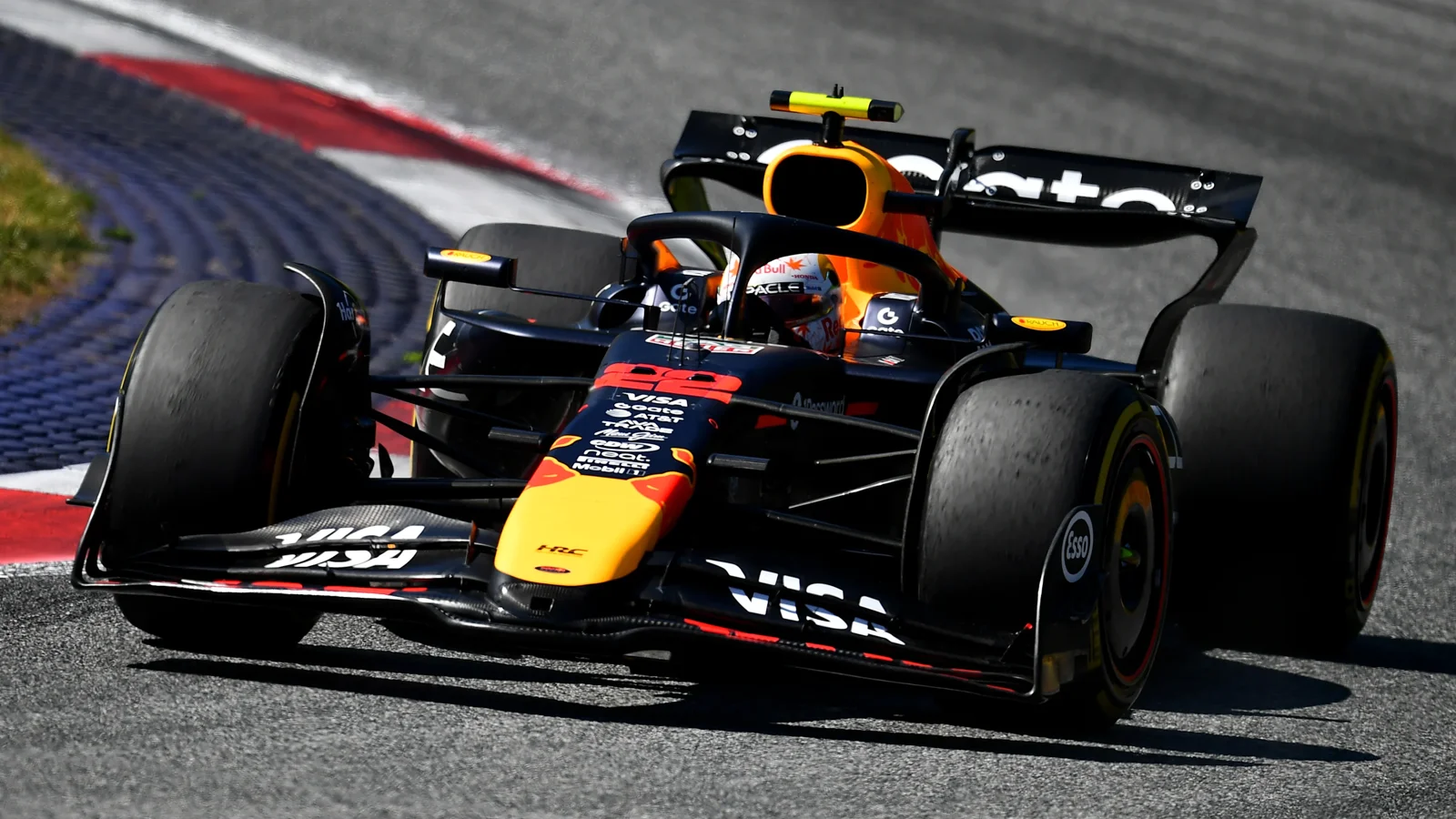
We’re making very good headway and pleased with progress.
—Christian Horner, Red Bull Team Principal
When Formula 1 last changed its engine regulations in 2014, Mercedes rose swiftly to dominance, securing six championship titles including the 2014 crown with Lewis Hamilton and the 2016 title with Nico Rosberg. This period is often regarded as one of the most dominant eras in F1 history. However, Villeneuve advises Verstappen not to assume the same pattern will repeat in 2026 despite Mercedes’ previous achievements.
Analysis of Verstappen’s Potential Move to Mercedes
The speculation linking Max Verstappen to Mercedes for 2026 hinges on the belief that Mercedes may gain an advantage with the new engine regulations. Villeneuve remarked to Viaplay that the situation is complex, recalling how Lewis Hamilton’s move to Mercedes initially drew skepticism before proving successful.
That’s a tricky one, because look when Lewis went to Mercedes and everyone laughed,
Villeneuve said.
He added that many expect Mercedes to benefit from the regulation reset just as they did when the hybrid era began, but cautioned that this outcome is not assured:
But that doesn’t mean it will happen now, but that’s what people think.
The technical changes will affect more than just the power units, with all teams introducing smaller, lighter, and more agile chassis. The last chassis regulation overhaul saw Red Bull excel, with Adrian Newey’s RB18 and RB19 cars dominating the grid, winning a combined 38 of 44 races, culminating in Verstappen’s four consecutive World Championships.
However, Red Bull’s advantage has diminished over the past two years, fueling rumors of Verstappen eyeing a move to Mercedes. Discussions intensified ahead of the Austrian Grand Prix when George Russell, himself negotiating contract terms with Mercedes, revealed that the team is in “ongoing” talks with Verstappen.
Verstappen reportedly holds a performance clause allowing him to exit Red Bull if he finishes outside the top four in the Drivers’ Championship after the Hungarian Grand Prix.
At Silverstone, Verstappen addressed the rumors directly, telling media including PlanetF1.com:
Everything that I’ve said that week is still the same. Nothing has changed from my side.
—Max Verstappen, F1 Driver
When asked about talks between his camp and Mercedes, Verstappen replied skeptically, “Who says that?” and declined to comment further when prompted.
Implications of Verstappen’s Possible Team Switch
A potential Verstappen move to Mercedes would dramatically reshape the F1 landscape. Mercedes, a team with a history of reacting quickly to regulation changes, is positioning itself strongly for the 2026 reset, combining improved engine performance with its established infrastructure. Meanwhile, Red Bull’s chassis and aerodynamic expertise have propelled them to recent dominance but face fresh challenges.
Verstappen’s decision carries significant weight given his status as a multi-time World Champion and Red Bull’s leading driver. If he exercises his contract clause to leave, Mercedes could regain supremacy, but failure to adapt successfully could expose the team to setbacks after their past dominance.
Looking ahead, all eyes will be on the Hungarian Grand Prix as a pivotal moment for Verstappen’s future. Continued negotiations and the unfolding technical developments throughout this transitional period will determine how the championship battle evolves in this new era of Formula 1.
Our Reader’s Queries
Q. Who is Max Verstappen’s baby daughter?
A. Max Verstappen has become a father! The 27-year-old Formula One driver and his girlfriend, Kelly Piquet, have welcomed their first child, a daughter named Lily. They shared this joyful news together on Instagram.
Q. Is Penelope not Max Verstappen’s daughter?
A. His partner, Kelly Piquet, is the daughter of Nelson Piquet, a former world champion. She has a daughter, Penelope, from her past relationship with ex-F1 driver Daniil Kvyat. Verstappen is close to Penelope and recently used this bond to explain that being a dad wouldn’t affect his racing performance.
Q. Who is Max Verstappen’s girlfriend’s baby daddy?
A. Before she started dating Verstappen, she was also involved with F1 driver Daniil Kvyat. Together, they had a daughter in 2019. Piquet and Verstappen later celebrated the birth of their first child, a daughter named Lily, on May 2. “Welcome to the world, sweet Lily.”
Q. Does Max Verstappen support LGBT?
A. Max expressed his respect for the LGBTQ+ community but observed that in June, it seems to shift from a movement to an agenda. Eliza Burnett noted that this was a polite way to describe it.
