
Max Verstappen has firmly established himself as one of the most prominent figures in modern Formula 1, earning four consecutive world titles since his teenage debut. However, former World Champion Jacques Villeneuve expressed reservations about placing Verstappen among the all-time greats, sparking a fresh debate around the Max Verstappen pure racer debate. Villeneuve regards Verstappen as a “pure racer” yet suggests he would not have dominated during the era of Ayrton Senna.
Comparing Drivers Across Different Eras: A Complex Challenge
Debates over the greatest and purest Formula 1 drivers often ignite passionate arguments, partly because the sport has evolved significantly over its 75-year history. Fans commonly recognize names like Juan Manuel Fangio, Jim Clark, Ayrton Senna, and Michael Schumacher as icons who defined their generations. Verstappen’s achievements are undeniable in the modern context, but Villeneuve questions whether modern talent matches that of earlier eras.
Villeneuve, in an interview with RacingNews365, argued that drivers today benefit from more stable cars and a competition format that is different from the past. He stated,
“Right now, an average driver can look acceptable,”
—Jacques Villeneuve, former World Champion. He highlighted that in prior decades, the gap between average and top drivers was much wider, with average drivers being several seconds slower per lap, compared to today’s roughly half-second deficit.
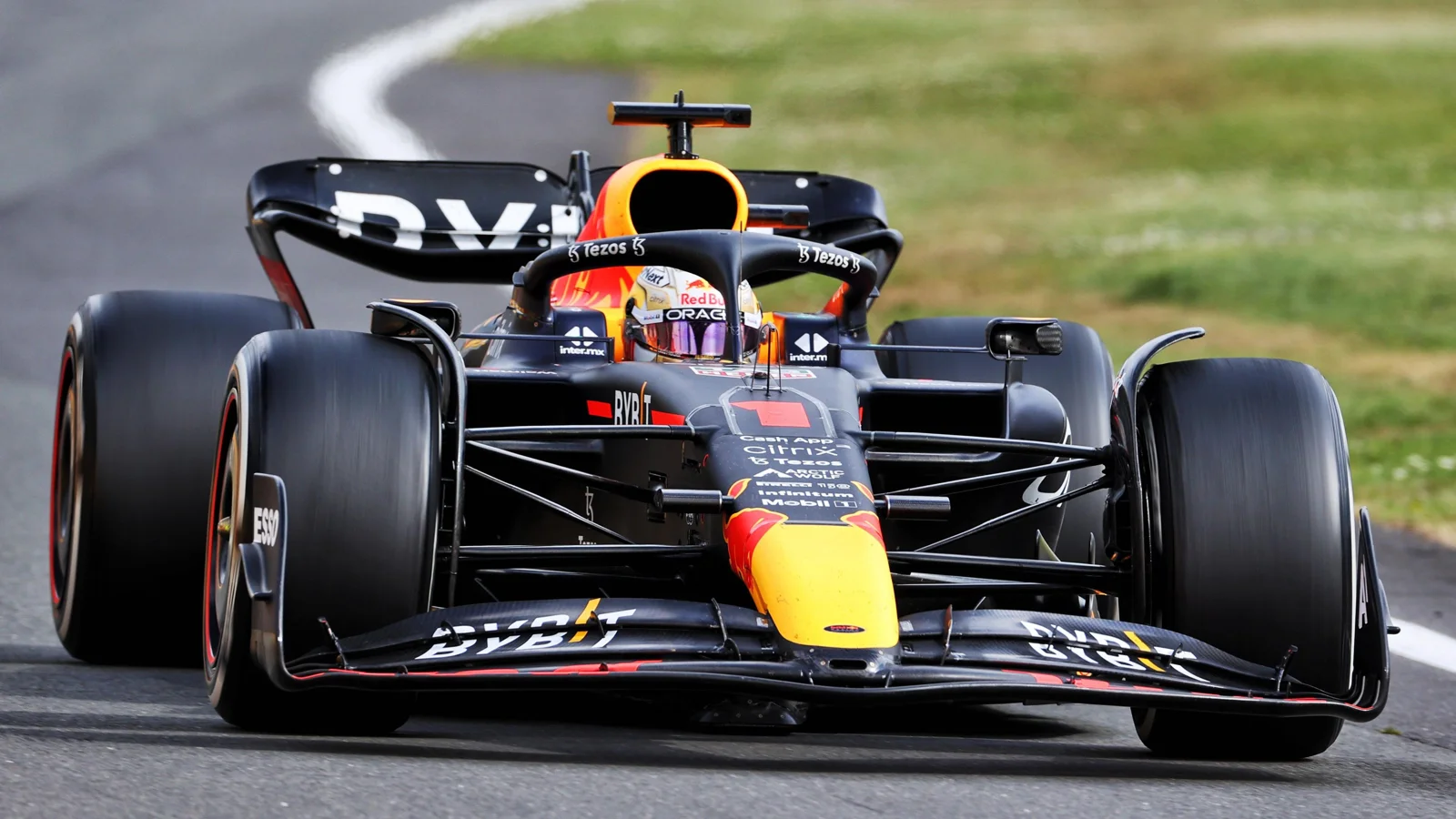
Villeneuve emphasized the impact of technological advances, revealing,
“They’re very stable cars,”
while explaining modern drivers have to slow down significantly during races to preserve their tires. This shift, he says, has altered the style and skillset required, meaning the current crop of drivers competes differently than those in Senna or Prost’s time.
How Villeneuve Sees the Current Competitive Landscape
According to Villeneuve, the depth of talent across the field has transformed. He illustrated this by noting that during the Senna and Alain Prost era, there were around five drivers comparable to Verstappen annually, whereas today, Verstappen stands largely alone at the top.
“If you look at the past, in Ayrton Senna and [Alain] Prost’s era, you had five drivers like Max [Verstappen] every year,”
—Jacques Villeneuve, former World Champion.
He added,
“Now there’s a lot of good drivers, where before there were a few extremely good drivers and a bunch of good drivers. So, I think the whole scheme has changed.”
Villeneuve’s perspective suggests that the rarity of truly exceptional talent today accentuates Verstappen’s dominance but also diminishes the competitive intensity that marked earlier eras.
Verstappen’s Unique Skillset as a “Pure Racer”
Despite his critiques, Villeneuve acknowledges Verstappen’s extraordinary racing ability. He described Verstappen as a “pure racer,” indicating a rarity of this kind in the current Formula 1 field.
“Max is not better than the very good ones of the past,”
he said, further clarifying,
“He is a pure racer, and there’s not many of them anymore…”
According to Villeneuve, Verstappen’s dominance owes as much to his talent as to a lack of equivalent threats from other drivers at present.
This viewpoint opens up a wider conversation about how modern racing conditions, including technological advancements, car reliability, extended seasons, and improved safety measures, influence driver performance when compared to previous generations. These factors complicate straightforward comparisons between drivers across different ages of the sport.
Looking Ahead: The Ongoing Debate on F1 Greatness
The discussion sparked by Villeneuve’s comments underscores the challenges in evaluating drivers like Verstappen against legends such as Senna, Prost, and Schumacher. While Verstappen has rewritten records with his aggressive style and consistent victories, the evolution of cars, safety, and race dynamics shapes how greatness is measured.
As Formula 1 moves into future seasons, with ongoing technical developments and a new crop of emerging talent, debates over the greatest driver will continue. Villeneuve’s assessment encourages fans and experts to consider how context, competition, and era-specific demands affect a driver’s legacy just as much as victories and championships do.
