
Max Verstappen’s exceptional performances since joining Red Bull in 2016 have positioned him as the team’s central figure, culminating in four consecutive world championships by 2023. His unyielding talent has allowed him to triumph even when the car was underperforming, underscoring why Red Bull built their entire strategy around him. However, this intense focus on Verstappen is now exposing significant vulnerabilities in Red Bull’s Formula 1 campaign, signaling a potential decline if the team remains overly dependent on one driver.
While Verstappen’s impact has been monumental, Red Bull’s future success is threatened by a lack of balanced development and supporting elements. The reliance on their champion has led the team to overlook the broader infrastructure needed for sustainable excellence, now revealing cracks in their dominance.
Challenges in maintaining team strength beyond a single star
Historically, Red Bull has thrived by centering star drivers who can carry the team to the podium, exemplified once by Sebastian Vettel and currently by Verstappen. Alongside driver brilliance, the team’s success was also shaped by influential figures like Adrian Newey, whose car designs set new benchmarks, and Jonathan Wheatley, who managed crucial trackside operations. The departure of these key personnel ahead of the 2025 season has left Red Bull struggling to maintain their competitive development and day-to-day management.
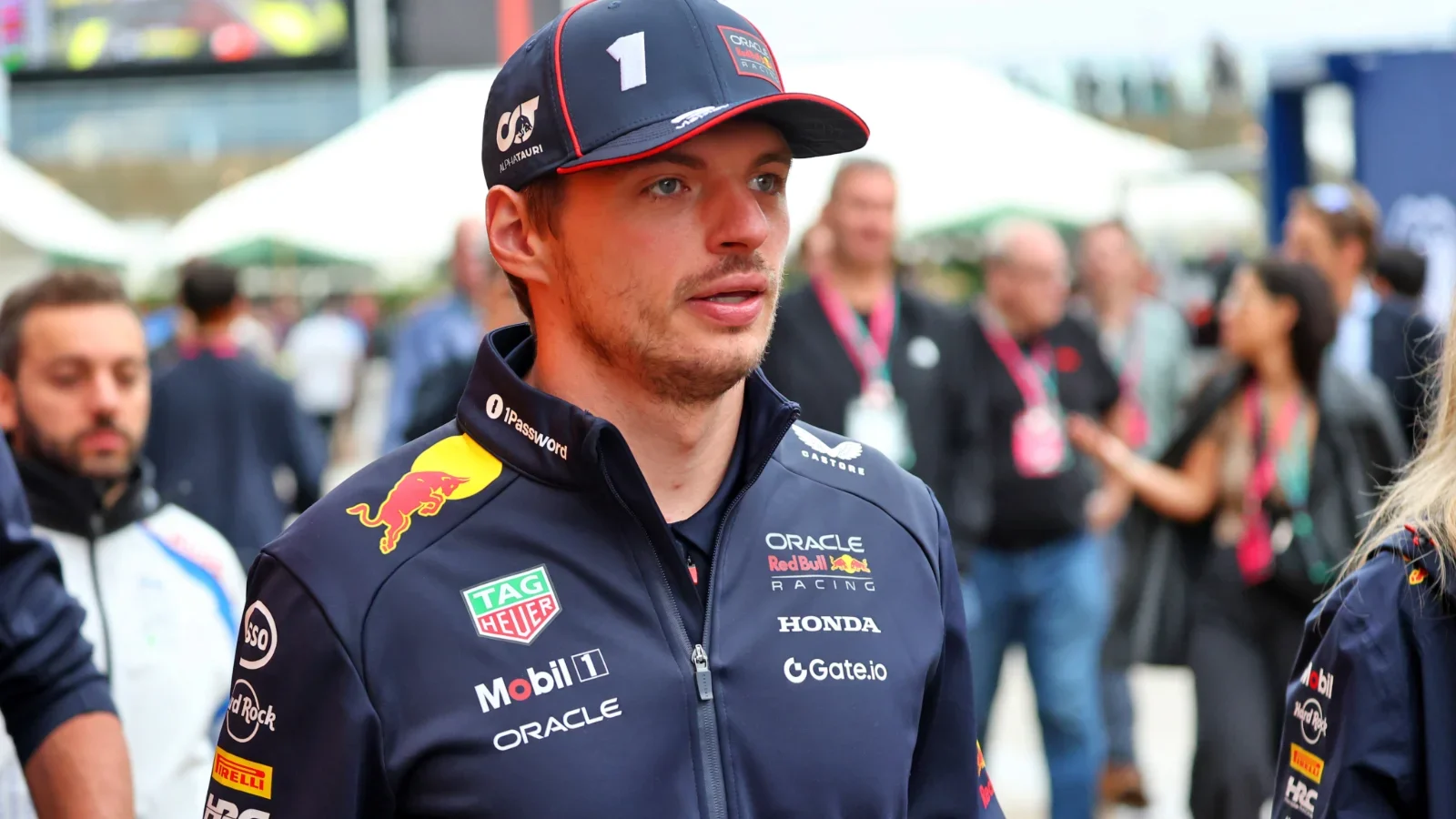
The absence of Newey’s technical expertise has raised questions about whether he could have corrected Red Bull’s course last year, while Wheatley’s exit creates a leadership gap within the team’s operational framework. Despite these setbacks, Verstappen continues to extract strong performances from a car that otherwise appears less competitive, keeping Red Bull relevant among the frontrunners.
Lack of emerging talent threatens Red Bull’s future leadership
Red Bull’s excessive dependence on Verstappen and former key staff has created an uncertain future, as the team’s pipeline of additional drivers lacks the experience and skill needed to lead at the top level. Promising talents like Yuki Tsunoda, Liam Lawson, Isack Hadjar, and Arvid Lindblad do not yet possess the calibre to uphold Red Bull’s standard should Verstappen depart.
This gap raises concerns about Red Bull’s ability to remain competitive in a post-Verstappen era. The current driver lineup, despite their potential, faces a steep challenge to fill the void left by one of F1’s most dominant figures. This scenario reveals how focused efforts to retain Verstappen have come at the expense of investing in long-term team development and succession planning.
Uncertainty looms as Verstappen’s future becomes less certain
Verstappen’s personal circumstances add another layer of complexity to Red Bull’s predicament. At only 27 years old, the driver has already achieved remarkable success and has openly contemplated stepping away from Formula 1 in the coming years, citing family priorities and interests beyond racing. Despite these signals, Red Bull appears unprepared to address the eventual departure of their star driver.
Christian Horner’s recent departure from the team further symbolizes a turning point, marking the end of a golden era characterized by Verstappen’s dominance. As Horner steps away, the question of who will guide Red Bull’s transition beyond the current championship run remains pressing.
Max Verstappen’s position amid Red Bull’s shifting landscape
While Red Bull faces challenges, Verstappen himself remains in a commanding position within the sport. With his age and achievements, he can afford to wait for promising opportunities, particularly with major regulation changes expected in 2026 that could reshape the competitive order. Whether he stays or moves, his influence on Red Bull’s identity is undeniable.
Without Verstappen, Red Bull risks losing the foundation that has held them at the forefront of Formula 1 for years. The team is like a Jenga tower missing its key block; removing Verstappen could cause their structure to collapse, emphasizing the urgent need for Red Bull to diversify its strategy beyond one driver.
Looking ahead: the critical decisions shaping Red Bull’s F1 future
The current situation serves as a cautionary tale about the dangers of building a team too heavily around a single star. For Red Bull, the next steps will determine whether they can navigate the impending challenges and cultivate new leadership, both on and off the track. Successfully addressing these issues is vital to securing Red Bull’s continued relevance in F1.
As Verstappen’s era evolves and key team members depart, Red Bull must rethink its approach to talent development, technical innovation, and team management. Their ability to balance present competitiveness with future-proofing efforts will define their standing in the sport for years to come.
