
Fritz van Eerd, the former CEO of Jumbo Supermarkets and a significant sponsor of Max Verstappen, has been sentenced to two years in prison in the Netherlands. The court found him guilty of money laundering, forgery, and accepting bribes, marking a dramatic fall from grace for the executive once closely linked to the Formula 1 champion’s career.
Background of Jumbo’s Sponsorship with Verstappen
Jumbo Supermarkets publicly supported Max Verstappen for about ten years, beginning in 2014 during van Eerd’s tenure as CEO. The company’s involvement in sports sponsorship extended beyond Formula 1, including partnerships with cycling and skating teams, motocross rider Jeffrey Herlings, several football clubs, and billiards events. However, suspicions of financial misconduct around van Eerd surfaced in September 2022, leading to his resignation.
Ton van Veen took over as CEO after van Eerd stepped down and soon announced plans to reduce Jumbo’s sports sponsorship commitments. The company aimed to refocus its strategy by investing less in sports and more in areas aligned with its core business.
“In recent years, Jumbo has lost its focus somewhat,”
Van Veen told Dutch outlet De Volkskrant.
He explained the company’s reconsideration by emphasizing Jumbo’s position in the global market, noting that sponsoring successful athletes like Verstappen didn’t align with the supermarket’s primary goals.
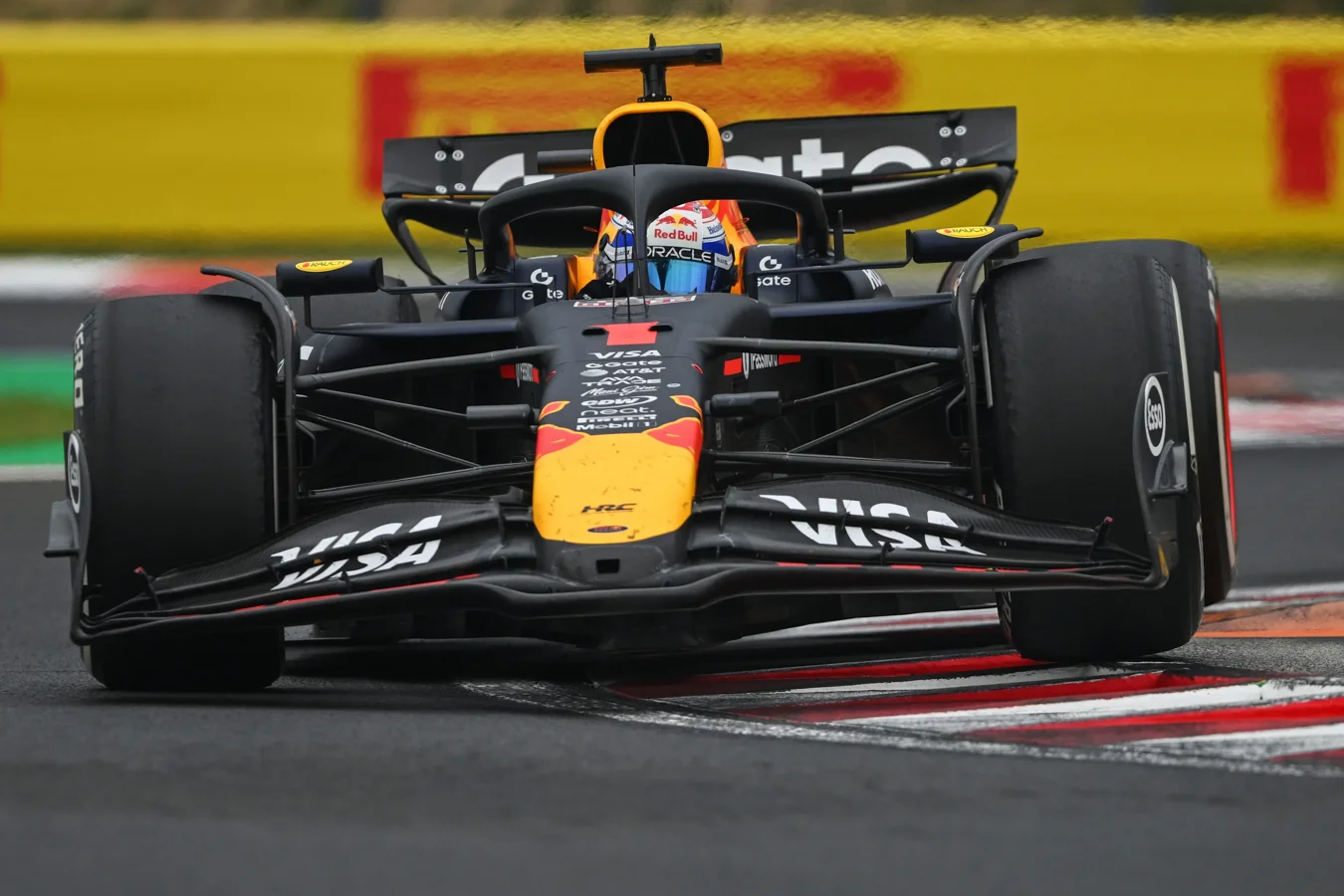
“That means we no longer put tens of millions into sports sponsorship, but use it to lower prices. That is the essence of Jumbo as it was meant to be.”
— Ton van Veen, Jumbo CEO
Details of the Financial Misconduct and Legal Proceedings
The Public Prosecution Service accused van Eerd of creating false invoices that disguised payments as sponsorship money for a motocross team, with the funds ultimately benefiting the motocross rider Theo E. In return, van Eerd received cash, vehicles, and motocross bikes as bribes. During police searches connected to the investigation, authorities found €448,000 in cash concealed at van Eerd’s residence and workplace.
The court concluded van Eerd knowingly laundered money that was linked to criminal activities, stating this conduct directly supported the underlying crimes. The judge underscored how money laundering threatens the legitimate economy and society at large, holding van Eerd fully accountable for his actions.
“Laundering criminal assets facilitated the underlying crime,”
the judge said, according to ANP.
“Money laundering undermines the legal economy and is a threat to society. Van Eerd is held seriously accountable for this.”
Additionally, the court noted that van Eerd abused his leadership position at Jumbo by approving forged sponsorship invoices, effectively defrauding the company for personal enrichment.
Impact on Jumbo Supermarkets and Statement from the Company
Despite the severity of van Eerd’s misconduct, Jumbo Supermarkets clarified that it was not involved in the case, emphasizing the matter concerned van Eerd’s private affairs. The company expressed sympathy for van Eerd and his family but stressed that the ruling would not affect Jumbo’s daily operations.
“The ruling has no consequences for the day-to-day operations of Jumbo.”
Jumbo’s decision to retreat from major sports sponsorship reflects a strategic shift toward reinforcing its core business values, especially after the scandal involving its former CEO. The reduction in sports sponsorships will affect partnerships that once included teams like Jumbo-Visma and individual athletes such as Jeffrey Herlings.
Significance of the Sentence and Future Considerations
This sentencing marks a notable setback for a figure deeply connected to a high-profile sports sponsorship linked with Max Verstappen. Van Eerd’s conviction highlights the risks of corruption within corporate leadership and the consequences of criminal financial behavior. Jumbo’s leadership change and altered sponsorship strategy signal a move to distance the company from past controversies and refocus on its supermarket business model.
The case also serves as a reminder of the broader implications such crimes have on the reputations of sponsors and the athletes they support, underscoring the importance of transparency and ethical conduct in sports financing and corporate governance.
