
Before the Formula 1 summer break, Toto Wolff caught fans’ attention with a humorous reaction to manipulated images of himself alongside Max Verstappen circulating on social media. He also addressed the increasing prevalence of artificial intelligence technology and deepfakes being used online. Wolff’s candid remarks came amid rumors regarding Verstappen’s future in F1.
Speculation about Verstappen moving to Mercedes had gained traction leading up to the break, though the Dutch driver remains committed to Red Bull Racing. Various doctored photos suggesting a close connection between Wolff and Verstappen became widespread, fueling conversations among fans. When interviewed by De Telegraaf, Wolff discussed these altered images and revealed that even explicit videos superimposed with his likeness had gone viral.
“Nowadays so much happens with AI and with deepfakes. I think there are even porn movies of mine, at least where my head is stuck on. But as long as a good body is used and I perform well in the scenes, I don’t mind it that much,” he said (via De Telegraaf).
The Formula 1 community responded with disbelief and amusement to Wolff’s remarks, with many praising his quick wit. One user on social media expressed their surprise:
“hahah I really need to hear that from Toto Wolff, it’s very surreal, and if he said it I still wouldn’t believe it,” mentioned another user.
Despite the humor, some fans acknowledged the awkwardness of the situation, noting it was “so not right,” yet applauded Wolff for taking it in stride.
Wolff’s Past Proposal to Max Verstappen in 2014
Although Verstappen remains with Red Bull for now, a move to Mercedes was once a real possibility early in his career. Back in 2014, when Verstappen was competing in junior categories, Mercedes was establishing dominance with Hamilton and Rosberg leading their roster. Although no immediate Formula 1 seat was available, Wolff clearly saw Verstappen’s potential and made him an offer.
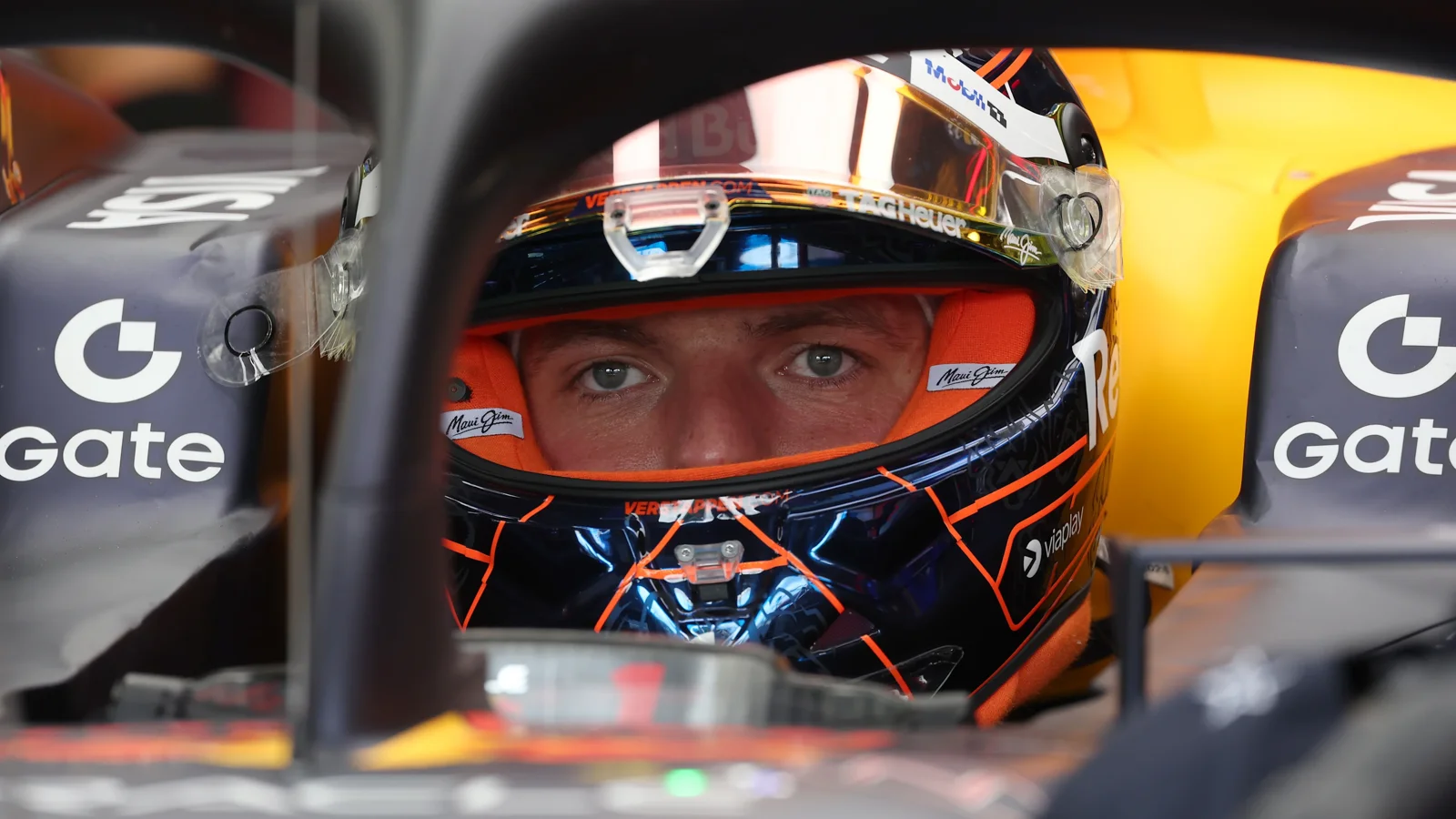
Wolff proposed a path whereby Verstappen could start in Formula 2 with Mercedes’ backing, promising a Formula 1 seat the following year once an opportunity opened. This approach aimed to secure Verstappen’s talent for the team despite the current lineup being full.
“We didn’t have a seat available because we already had Nico Rosberg and Lewis Hamilton. What I offered him back then was a seat in Formula 2 and a guaranteed Formula 1 seat the following year,” Wolff said.
Instead, Red Bull intervened by placing Verstappen directly into its junior F1 team, Toro Rosso (now known as VCARB), bypassing Formula 2 entirely. Verstappen accepted the offer, which accelerated his ascent into Formula 1.
“And if we couldn’t get him into F1, he would have been free to leave. Then Helmut Marko stepped in and gave him a seat straight away.”
Following this, Verstappen moved up to Red Bull Racing and has since become one of the sport’s leading figures. With four consecutive world championships from 2021 to 2024, he has dominated the grid despite Red Bull facing difficulties in maintaining their competitive edge this season. Verstappen’s loyalty to his team remains firm as the new season approaches.
The Role of AI and Deepfakes in Formula 1’s Digital Landscape
Wolff’s comments highlight the growing influence of artificial intelligence tools like deepfakes in the world of sports, particularly in digitally manipulated content that can mislead or amuse fans. As social media amplifies such fabrications, athletes and team principals find themselves navigating an online environment where misinformation and altered imagery spread rapidly.
The humorous but unsettling incident involving Wolff’s face in explicit AI-generated videos underscores the challenges public figures face in controlling their digital image. This evolving phenomenon raises questions about privacy and authenticity in sports communication as digital technologies advance.
Looking ahead, Wolff’s response may serve as a reminder to the F1 community to approach AI-created media with a mixture of caution and humor, all while monitoring how these tools impact fan engagement and reputations. The intersection of innovation and misinformation will likely remain a topic of discussion within the sport as it evolves.
