
MotoGP is heading into the 2026 season with Ducati and Aprilia locked in a perilous contest, where the MotoGP 2026 Ducati Aprilia dilemma might determine not just the next champion, but who remains a contender past a looming era of sweeping changes. As technical regulations approach an overhaul for 2027, both teams must decide whether to go all-in for short-term glory or take the long view to maintain dominance in the seasons that follow.
Turning Point for Two Giants
With the MotoGP paddock tense and every strategic decision under scrutiny, Ducati and Aprilia now stand at a crossroads. The relentless noise of engines marks a defining chapter: win now and possibly lose later, or play the patient game and risk missing a fleeting opportunity. Engineers are caught between pride and anxiety, while team leaders present bold faces, concealing deep uncertainties about the future.
Ducati—the standard-bearer in recent seasons—finds itself grappling with a waning grip on dominance. The Desmosedici remains the bike to beat, but the rules of the game have shifted. With the end of development concessions and escalating costs, the Borgo Panigale headquarters faces a harrowing choice: should they fight until the very last race with a machine at the end of its lifecycle, or begin prioritizing their 850 cc transition for the 2027 season?
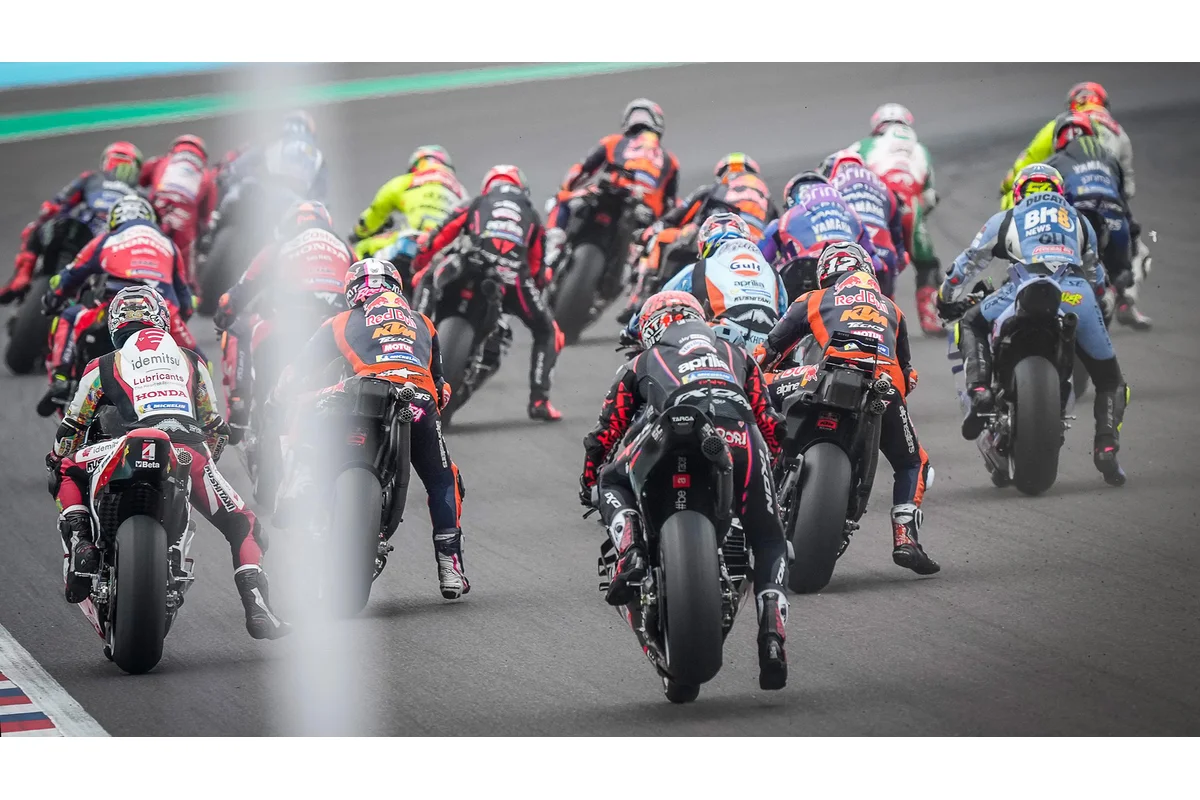
The Cost of Chasing Immediate Success
If Ducati chooses to devote everything to 2026, they might successfully overpower Aprilia before the reset—but at grave risk. Such an approach could leave their engineers and resources depleted, putting them at a disadvantage when 2027’s radically different technical landscape arrives. Historically, Ducati has rarely embraced patience, but this time around, hasty decision-making could undermine years of carefully built dominance, and even a single blunder could echo for seasons.
Team leaders at Ducati now weigh the reality that past impatience might haunt their future legacy, as the consequences of their next steps may only become clear years from now. The tension on pit lane is palpable, reflecting the severity of what’s at stake.
Aprilia Nears Its Defining Moment
On the other side, Aprilia, long considered an underdog, senses possibility in the air. The RS-GP has come alive, with the manufacturer erasing the gap to Ducati. What once seemed like the occasional upset is now a convincing demonstration of Aprilia’s evolution. The confidence among teams grows with each victory, as Aprilia eyes what may be its single greatest opportunity for a championship in the modern era.
The urgency is real: Aprilia cannot afford to defer their ambitions, as delayed success might condemn the team to another long cycle of rebuilding. Yet betting everything on the present leaves them dangerously exposed to the 2027 regulation reset. A successful title hunt in 2026 would secure their place in history, but a failed campaign risks undoing five years of progress in a single miscalculation.
Impossible Choices and Hidden Struggle
With preparations for 2026 in full swing, the paddock’s apparent determination to compete on parallel fronts hides more than it reveals. Though teams publicly assert their ability to juggle current and future projects, insiders know it is impossible to divide resources equally between two radically different technical challenges. At some point, every manufacturer must choose: pursue short-lived victories, or invest for a new era.
This balancing act produces a unique tension on track and off. Fans are likely to witness fluctuating performances as teams abruptly shift focus, leading to sudden declines in development and unexpected struggles—a façade that masks fierce internal debates and desperate last-minute adjustments. The true drama is likely to unfold away from cameras, as engineers and team leaders risk everything on decisions no one outside the garage can fully grasp.
Potential for Historical Setbacks—and Triumphs
Victory in 2026 will not necessarily guarantee ongoing success. A manufacturer that seizes the title but neglects 2027 preparations may vanish from the podiums in years to come. Equally, a team that chooses to forgo immediate triumphs could lay the groundwork for sustained dominance across the next decade. The battle lines are drawn not just on the tarmac, but in boardrooms and design departments, where each choice carries far-reaching consequences.
This scenario is more than just a contest between machines; it is a clash of philosophies. Ducati embodies the powerful empire confronting its own limitations—uncertain whether to chase relentless wins or to pivot for longevity. Aprilia knows the stakes could not be higher, aware that their current momentum might never come again, and that the gamble ahead is the riskiest of all.
The Season Where One Misstep Could Change Everything
As MotoGP 2026 approaches, all eyes are on Ducati and Aprilia, whose diverging paths will shape not only their own destinies, but potentially the future of MotoGP itself. The challenge is clear: in a sport where millisecond judgments determine legacies, someone is bound to err. When that moment arrives, the repercussions may reverberate for years, rendering even the sweetest victory painfully bittersweet. This is MotoGP 2026: a high-wire act where the cost of success—and the price of a mistake—have never been higher.
