
The upcoming MotoGP 2027 regulation changes will bring significant modifications to the sport, with the introduction of 850cc engines predicted to slow lap times by up to 2.5 seconds, according to safety chief Loris Capirossi. This major move, expected to improve safety and alter racing dynamics, represents the most substantial shift in MotoGP technical rules in over a decade.
Major Adjustment to MotoGP Engine Regulations
Starting in 2027, MotoGP will transition from the current 1000cc engine format, first implemented in 2012, to smaller 850cc engines. Alongside this displacement reduction, the use of ride height devices and extensive aerodynamic components—such as spoilers and wings—will be prohibited. This overhaul aims to enhance rider safety and add unpredictability back into the competition.
As part of the sweeping changes, tire supplier Pirelli will replace Michelin as the official MotoGP tire partner, marking yet another fundamental change for teams and engineers. These combined shifts highlight the championship’s ongoing commitment to evolve, with the intention of improving both the safety of riders and the spectacle for fans.
Expectations for Performance and Lap Times
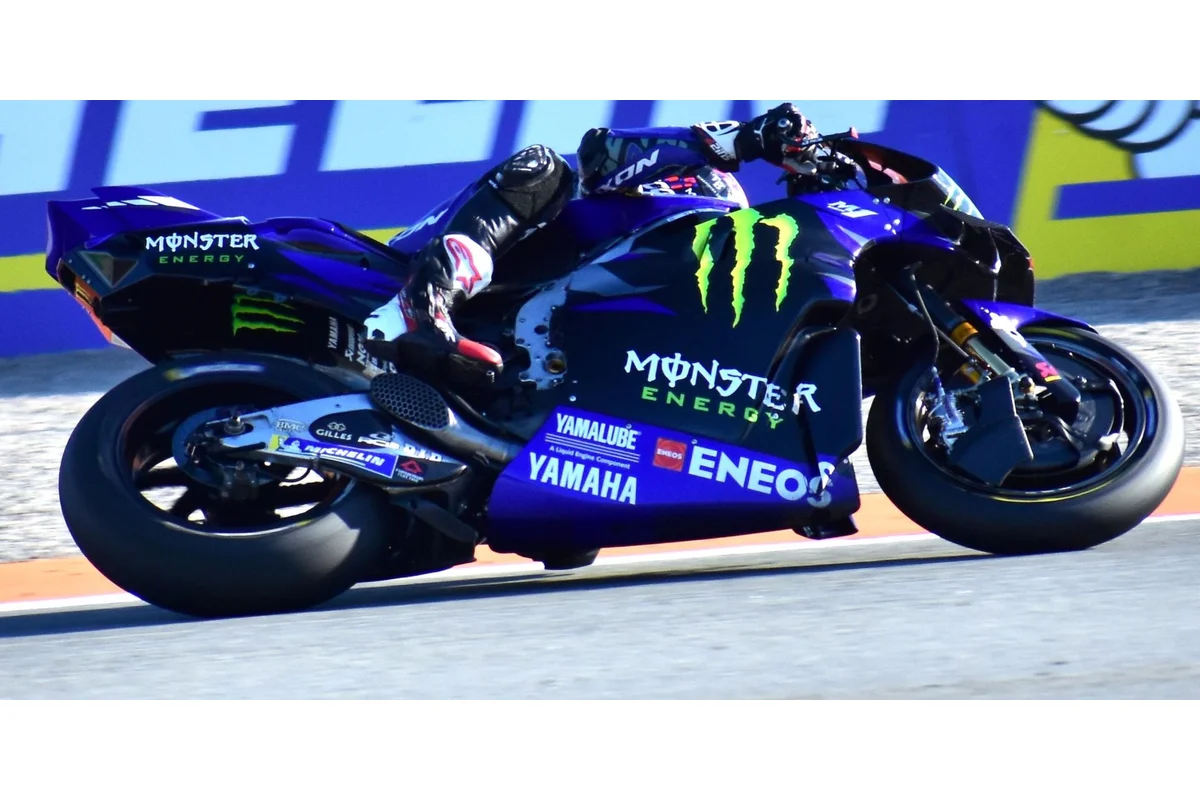
The current generation of MotoGP bikes is recognized as the fastest in history, setting new lap records across many renowned circuits by 2025. However, Loris Capirossi, Dorna’s safety chief and a prominent former racer, has emphasized that the reduction to 850cc engines and removal of advanced aerodynamics will result in noticeably slower lap times.
“The motorcycles will be up to 2.5 seconds slower,”
Loris Capirossi said on the Mig Babol podcast. Drawing a parallel to the 2007 season, when regulations shifted engines from 990cc to 800cc, Capirossi suggested this pattern of initial slowdown following technical changes is not unprecedented.
“The main reasons for this are the lack of spoilers and wings, as well as the 850cc engine,”
he explained, citing engineering simulations from manufacturers that predict a decrease in speed by 1.5 to 2.5 seconds per lap compared to current performance.
Adaptation and Development Among Teams
Teams have already begun preparing for these new standards. Major manufacturers such as KTM and Honda have conducted tests with 850cc engine prototypes over the winter months, and more teams are expected to join in as they prepare for the official implementation of the 2027 regulations. These early efforts will likely be critical in how quickly teams manage to recover lost performance once the rules take effect.
Loris Capirossi further noted,
“Initially, things will usually move more slowly: the regulations were adapted precisely for this reason, but with the next stages of development, they will speed up again.”
This suggests that, historically, new rules may slow racing temporarily, but ongoing innovation could eventually restore and even surpass previous performance levels.
Looking Ahead to MotoGP’s Future
The rule changes coming in 2027 have already shifted manufacturers’ focus towards extensive testing and reengineering, setting up a transition phase for the sport. While lap records are expected to stand for longer at first, teams’ technical advances—in engine development and tire adaptation, particularly with Pirelli’s arrival—may eventually narrow the performance gap. The MotoGP community is watching closely to see how quickly the sport will achieve competitive balance and whether racing will become more unpredictable and engaging for fans worldwide.
