
MotoGP is preparing for a fundamental shift as the 2027 season will bring sweeping changes to the sport’s regulations, focusing on new MotoGP 2027 rule changes. The championship will move to 850 cc engines, a decision designed to slow down the bikes by as much as 2.5 seconds per lap, sparking debate among riders, manufacturers, and fans about the future direction of the sport.
Why the Shift to Slower Racing?
The governing body’s aim with the 2027 rule changes is to decrease outright speed and bring rider expertise back to the forefront. By introducing smaller engines and restricting aerodynamic enhancements, organizers hope to make MotoGP less about technological dominance and more about the skills and strategies of the racers themselves. Commenting on the projected effects of the changes, Loris Capirossi, former champion and now safety chief at Dorna Sports, directly stated,
“the bikes will be up to 2.5 seconds slower.”
— Loris Capirossi, Safety Chief, Dorna Sports.
Simulations have shown that the reduction in engine size, paired with aerodynamic limits, are expected to deliver the first deliberate step-down in pace in years. This approach mirrors the shift MotoGP made in 2007, when the 990 cc bikes made way for the 800 cc generation. Capirossi drew attention to that historical pivot, adding,
“It will be just like 2007 when the 800 cc bikes came in to replace the 990s. Initially, they were slower,”
— Loris Capirossi, Safety Chief, Dorna Sports. Back then, many in the paddock, including vocal critics and traditionalists, worried that the sport’s spirit might be diluted.
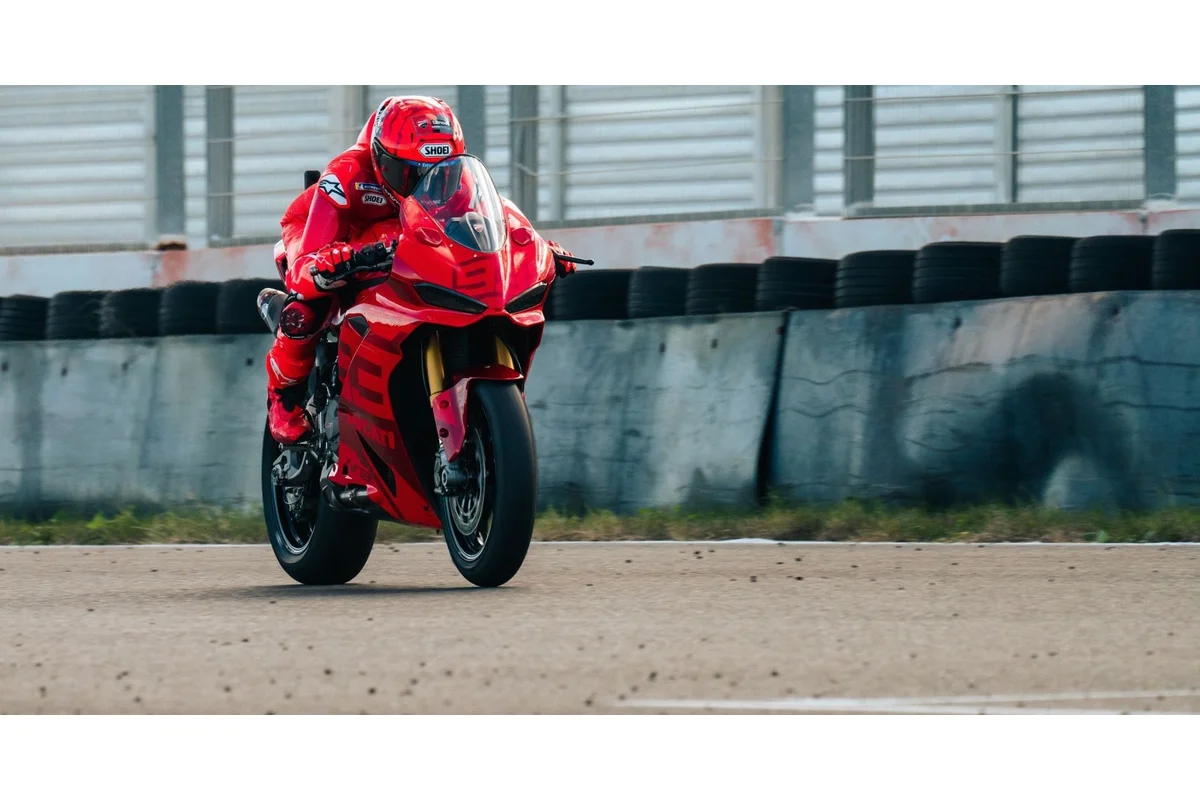
Learning from Past Transformations in MotoGP
The transition in 2007 was marked by skepticism and polarizing opinions, as the sport recalibrated from breathtaking horsepower to a more measured approach. Over time, as Capirossi remarked, MotoGP saw lap times tumble again as teams and engineers adapted to the new rules and innovated within them:
“The regulations have been adjusted for this reason, but with development, the speeds will climb again,”
— Loris Capirossi, Safety Chief, Dorna Sports. The upcoming 2027 regulations evoke those same tensions between progress and tradition.
As it stands, the 2025 MotoGP bikes have set records, achieving the fastest racing speeds in the sport’s history. However, these rapid advancements have raised new concerns about the growing risks, a rising tally of crashes, and the perception that engineers, rather than the riders, are increasingly pivotal to championship outcomes. The balance between man and machine has tipped, leading purists and some current riders to question if racing has become too much of a technical contest rather than a test of raw rider talent.
Inside the New Rulebook: More Than Just Smaller Engines
The 2027 overhaul doesn’t stop at reducing engine displacement. The rule changes will also ban devices that manipulate bike performance — targeting launch and ride-height devices — and restrict the use of aerodynamic parts that have shaped racing dynamics in recent years. This is intended to foster closer racing and on-track battles, while addressing concerns that technological add-ons have limited the ability for riders to overtake and showcase their talent.
An equally significant change comes in the tire department: Pirelli will step in as the exclusive tire supplier, taking over from Michelin. This marks a complete shakeup for teams and manufacturers like Honda and KTM, who are already testing prototypes to adapt to the new regulations. Early work in the off-season pits reflects an eagerness among manufacturers and engineers to solve the puzzle shaped by these altered technical standards.
Implications for Riders, Teams, and Fans
The ultimate question remains: will MotoGP, shaped by the 2027 rule changes, recapture the essence that made the sport thrilling for fans and competitors alike? Slower lap times may draw criticism, but advocates suggest this pivot could make overtaking more frequent and bring back high-drama contests where rider instinct and bravery matter most. With the loss of some engineering aids, raw ability will be put back in the spotlight, and fans might witness a fresh “renaissance” for motorcycle racing.
This transformation signals a potential return to racing’s fundamentals, where tension, rivalry, and split-second choices on the track could outweigh technological margin. As legendary figures like Andrea Iannone and Jack Miller look ahead to their own uncertainties and schedule clashes, and as veterans such as Sete Gibernau reflect on the sport’s legacy, 2027 may be seen as the year skill triumphed over software and sensors.
MotoGP’s future is set to unfold with a renewed balance between man and machine, inviting purists, critics, engineers, and new fans to witness whether a “step back” in speed can indeed move the spectacle forward. The coming seasons of testing, adaptation, and discussion will determine if this deliberate slowdown sparks a new chapter of unforgettable battles and rider glory.
