
A major shake-up could be on the horizon for MotoGP as Davide Brivio, the highly respected head of Trackhouse Racing, has put forward a daring MotoGP qualifying format reform. Brivio, drawing on his extensive experience across motorsport disciplines, proposes dividing qualifying into separate sessions for the Sprint and Grand Prix races, a move he believes will reduce rider anxiety and add excitement for viewers.
Details of Brivio’s Qualifying Session Proposal
Currently, MotoGP utilizes a single qualifying session that determines the starting grid for both the Sprint and Grand Prix races each weekend. This structure puts enormous pressure on riders, as a single error or an untimely incident, such as a crash or a yellow flag, can have repercussions for both main events. Brivio outlined his transformative idea during a recent interview, advocating for two distinct sessions—one focused solely on the Sprint, the other for the Grand Prix itself.
“I think from a sporting point of view, the competition in MotoGP is fine. Of course, you can always improve… Maybe, I would improve the format,”
Brivio stated emphatically. According to the veteran team boss, this separation could offer riders a fairer shot at both races and reduce the instances where one piece of misfortune ruins their entire weekend.
Rider Feedback on the Current Pressure
Luca Marini, a leading Honda competitor, also voiced concerns regarding the unforgiving nature of the current MotoGP qualifying approach. Marini pointed out how a single misstep, often outside a rider’s control, could derail a team’s strategy for the whole event.
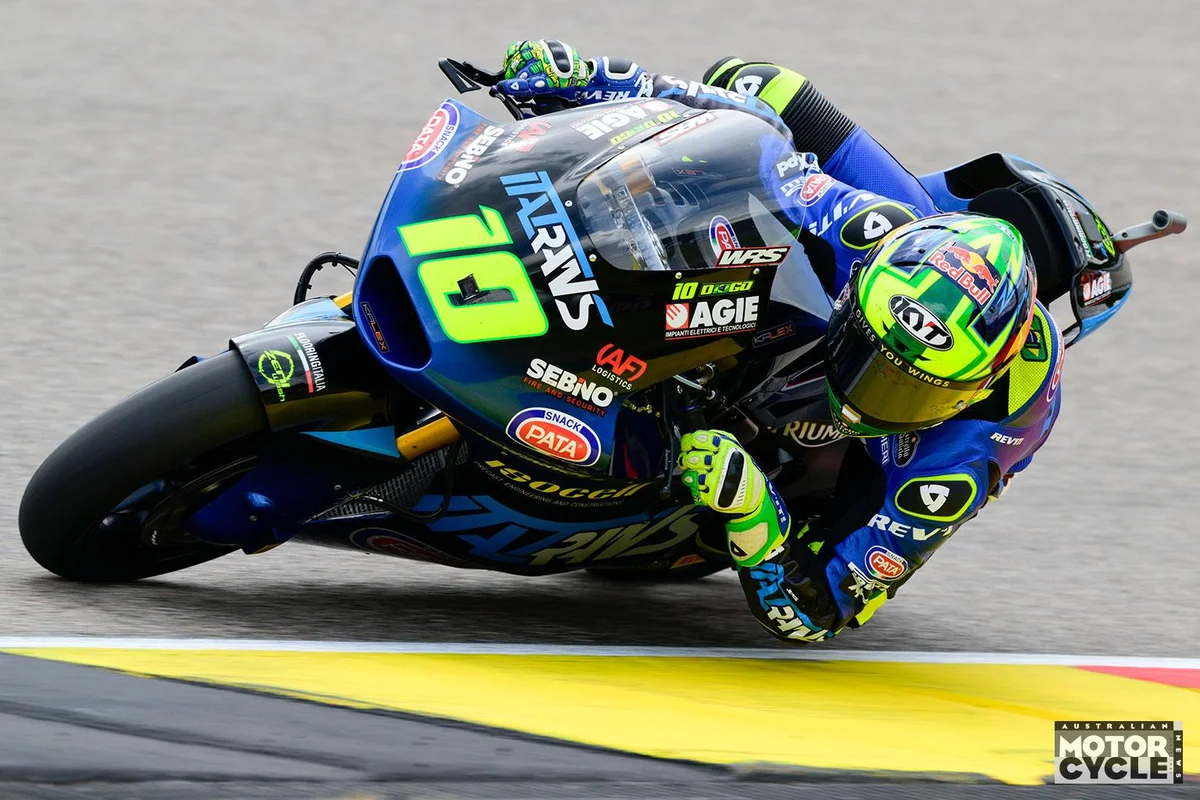
“If you get screwed by a crash or a yellow flag, it’s a shame to throw away the entire weekend.”
– Luca Marini, Honda rider
Marini recommends that MotoGP leaders reconsider the qualifying progression rules. His suggestion is to allow four riders, rather than two, to advance from the initial session. This adjustment would provide extra opportunities for those who encounter setbacks and could enhance the competition for fans and teams alike.
Aligning Technical Changes with Fan Experience
Looking toward MotoGP’s future, Brivio noted that changes on the technical front—especially the move to 850cc engines in 2027—should align with the goal of keeping the sport as entertaining as possible. He stressed the importance of regulations that not only shape performance but also ensure every session is thrilling to watch.
“I’m not an engineer, but I will look more and see…. We are going to face a big change of regulation, but you always have to think about what we can do to improve the show,”
Brivio explained. This perspective underscores the delicate balance MotoGP stakeholders must maintain between technical evolution and delivering drama on the track for every viewer.
Bigger Picture: Brivio’s Proven Impact and the Path Ahead
Davide Brivio’s voice carries weight in the paddock, thanks to his extensive resume that includes championship wins with racing legends like Valentino Rossi and Joan Mir. Recently, he celebrated a major win at Phillip Island as Trackhouse Racing clinched victory with Raul Fernandez, cementing his credentials as a team leader who fosters innovation and success. Brivio’s leadership, coupled with his call for bold reform, lends credibility to his vision of a MotoGP qualifying format reform that puts riders’ welfare and fan enjoyment at the center.
As MotoGP prepares for the upcoming technical shift and considers changes to race weekend formats, the community—riders, engineers, bosses, and fans—faces pivotal decisions. Whether or not Brivio’s proposals are embraced, his ideas have ignited an intense debate. The ongoing discussion highlights a shared passion for elevating the sport, maximizing viewer excitement, and ensuring every championship moment is earned on merit.
With his track record of success, Brivio’s bold suggestion may well shape the future trajectory of MotoGP. The spotlight now falls on decision makers, who must balance tradition and innovation as they steer the sport toward its next chapter of high-stakes drama across legendary venues like Valencia and world-famous circuits. All eyes will remain fixed on the paddock, eager to see if the spirit of transformation will translate into reformed qualifying sessions and even greater spectacle on race weekends.
