
This weekend marks the 46th running of the Suzuka 8 Hours endurance race, featuring two current MotoGP riders: Jack Miller and Johann Zarco. Zarco aims to defend his title for Honda, while Miller returns to compete after last racing here in 2017, joining Yamaha’s factory team to celebrate its 70th anniversary.
The Suzuka 8 Hours has long been a prestigious event that attracts top international talent, especially MotoGP riders invited by Japanese manufacturers to represent them in this challenging endurance race. Of the 45 winning teams so far, only 12 have been fully Japanese, highlighting the race’s global appeal.
Premier-Class Champions’ Successes and Setbacks at Suzuka
Among MotoGP world champions, Valentino Rossi stands out as the last premier-class titleholder to win the Suzuka 8 Hours, achieving this feat in 2001 — the same year he secured his final 500cc world championship. Rossi raced twice for Honda at Suzuka, teaming with World Superbike champion Colin Edwards. After an early crash in 2000, the pair returned in 2001 to claim victory riding the Honda VTR1000SPW.
Casey Stoner, having retired from MotoGP in 2012, made a notable comeback at Suzuka in 2015, riding for Honda. Unfortunately, he suffered a serious crash caused by a stuck throttle while leading the race, breaking his shoulder and tibia. Honda Racing Corporation later publicly apologized for the technical issue that led to his accident.
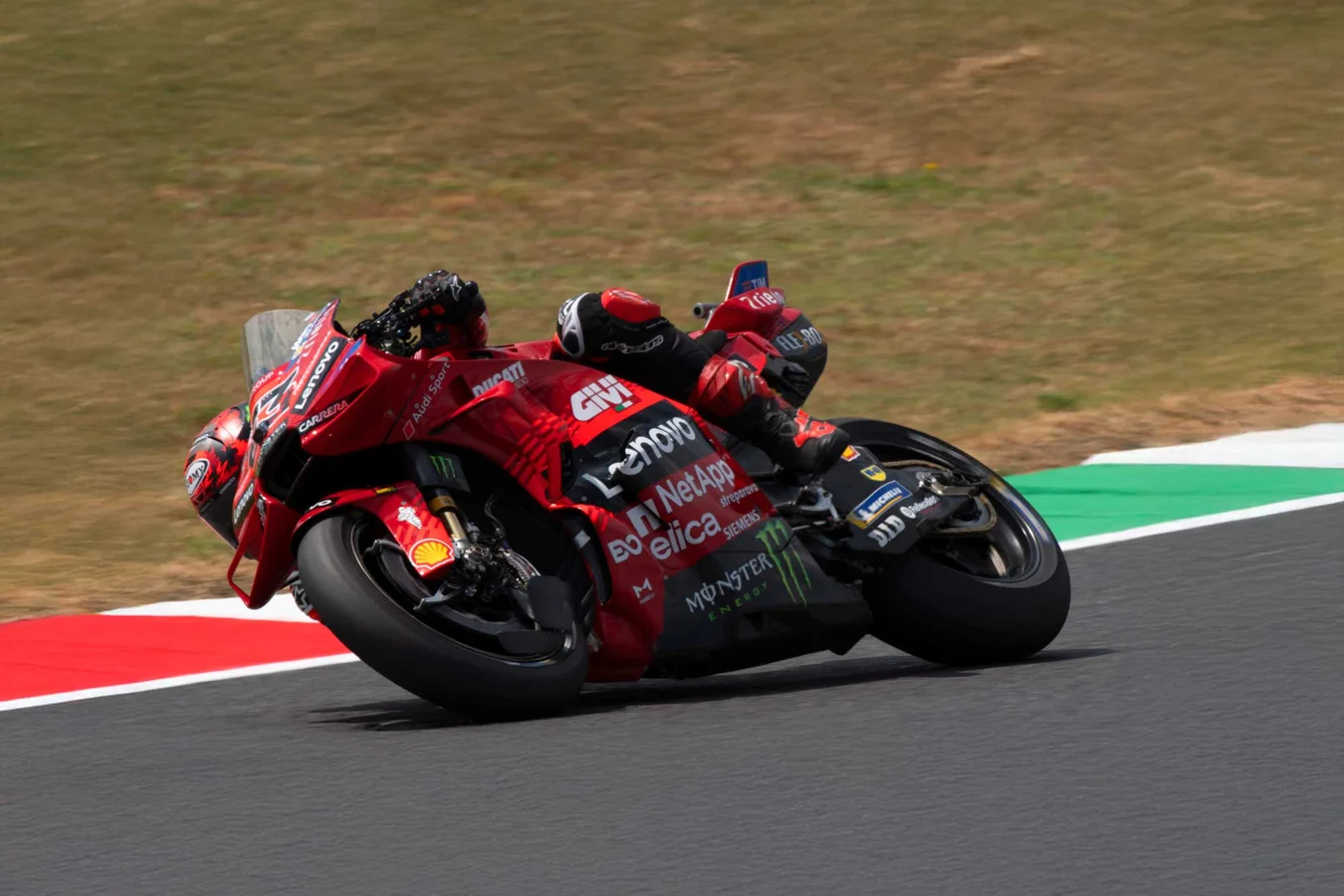
In 2003, rookie MotoGP rider Nicky Hayden competed at Suzuka alongside Ryuichi Kiyonari. Their race was cut short after a crash caused by oil on the track, leaving them without a finish despite Hayden’s future success in MotoGP.
Notable MotoGP Race Winners Who Have Excelled at Suzuka
Johann Zarco won the Suzuka 8 Hours on his debut last season, partnering with Takumi Takahashi and Teppei Nagoe to give Honda its 30th win at the event and a third consecutive victory. This continued Honda Racing Corporation’s legacy at Suzuka, recalling its longest winning streak from 1997 to 2007.
In 2015, Yamaha ended a 19-year Suzuka win drought through the teamwork of Pol Espargaro, Bradley Smith, and Katsuyuki Nakasuga. Espargaro returned in 2016 to defend the title alongside Nakasuga and Alex Lowes, before both moved to KTM for their subsequent MotoGP seasons.
Spanish rider Carlos Checa narrowly missed victory in 2007 but redeemed himself with a win in 2008, riding with Ryuichi Kiyonari to claim the top spot at Suzuka.
Japanese Grand Prix Victors’ Impact on Suzuka
Tadayuki Okada, a formidable Grand Prix competitor with four 500cc wins and a third-place world championship finish in 1999, also made his mark at Suzuka. Okada secured three Suzuka 8 Hours victories: in 1995, 1999, and again in 2012, when he teamed with Kousuke Akiyoshi and World Superbike star Jonathan Rea.
Kiyonari, who briefly competed in MotoGP after Daijiro Kato’s tragic accident in 2003, achieved his first Suzuka win in 2005 alongside Tohru Ukawa, who himself is a winner in both the 250cc and MotoGP classes. Kato, a two-time Suzuka winner, contributed to Honda’s success before his untimely death, including the 2002 Suzuka win with Colin Edwards.
Other Japanese riders who have triumphed in both Grand Prix racing and the Suzuka 8 Hours include Nobuatsu Aoki, part of Suzuki’s victorious 2009 team, and Tadahiko Taira, who won in 1990.
Successes of 500cc Era Riders in Suzuka’s History
During the 1980s and 1990s, several top foreign 500cc riders took part in the Suzuka 8 Hours, often returning with victories. Notable champions include Alex Barros (1999), Wayne Gardner (1986, 1987, 1991, 1992), Daryl Beattie (1992), and Mick Doohan (1991). Other winners from this era feature Eddie Lawson (1990), Dominique Sarron (1986, 1989), Kevin Magee (1987, 1988), Wayne Rainey (1988), Martin Wimmer (1987), Mike Baldwin (1978, 1984), and Graeme Crosby (1980).
Celebrated French Riders Among Suzuka Champions
Johann Zarco’s 2024 victory enshrined him as the fourth Frenchman to win at Suzuka, joining Herve Moineau (1983), Dominique Sarron (1986, 1989), and Alex Vieira (1989). Their triumphs highlight the international prestige of the race and the diverse backgrounds of its champions.
“After a crash ended their 2000 race early, the duo returned stronger in 2001 to take victory on the Honda VTR1000SPW.” —About Valentino Rossi and Colin Edwards
“But disaster struck when a stuck throttle caused the Australian to crash while leading, leaving him with a broken shoulder and tibia. HRC later issued a public apology for the technical failure.” —Regarding Casey Stoner
“In 2015, Tech3 Yamaha duo Pol Espargaro and Bradley Smith helped end Yamaha’s 19-year Suzuka drought by winning alongside Katsuyuki Nakasuga.” —On Espargaro and Smith’s win
“Okada won Suzuka twice during his grand prix career, in 1995 and 1999, then again over a decade later, in 2012, alongside Kousuke Akiyoshi and WorldSBK star Jonathan Rea.” —On Tadayuki Okada’s Suzuka victories
“Kiyonari – who briefly stepped into MotoGP after Daijiro Kato’s fatal accident in 2003 – claimed his first 8 Hours win in 2005 with 250GP and MotoGP race winner Tohru Ukawa as his team-mate.” —Concerning Ryuichi Kiyonari
“Zarco returns to defend last year’s victory with Honda, while Miller is back for the first time since 2017, joining an all-star factory Yamaha line-up to celebrate the manufacturer’s 70th anniversary.” —About the current edition’s MotoGP riders
“Indeed, Zarco’s 2024 triumph – alongside Takumi Takahashi and Teppei Nagoe – made him the fourth Frenchman to win at Suzuka, following in the footsteps of Herve Moineau (1983), Dominique Sarron (1986, ’89), and Alex Vieira (1989).” —On Zarco’s 2024 Suzuka win
The continuous involvement of MotoGP riders such as Jack Miller and Johann Zarco underlines the Suzuka 8 Hours as an enduring highlight for Grand Prix racers seeking to test their endurance and teamwork. The presence of MotoGP talent enhances the race’s profile and maintains its status as a global motorsport spectacle. With strong manufacturer backing and rich international participation, the Suzuka 8 Hours remains a prestigious challenge where celebrated riders continue to solidify their legacies beyond the MotoGP season.
