
MotoGP is experiencing a significant transformation as a fresh wave of young riders challenges seasoned champions, injecting new vigor and reshaping the sport’s future. These MotoGP rising young talents dominance is altering race dynamics and influencing betting patterns, signaling a profound shift in the competitive landscape.
Emerging Riders Changing the Betting Landscape
The rise of young, ambitious riders is impacting more than just race results; it is also causing bookmakers to reassess their odds and predictions. Exceptional performances from riders like Pedro Acosta, Fermin Aldeguer, and others have prompted betting platforms to elevate these newcomers above former titleholders. The shift indicates that factors such as consistency, adaptability, and mental toughness now overshadow established reputations in wagering decisions.
Among the top young talents making their mark are:
- Pedro Acosta: The Spanish prodigy and 2021 Moto3 World Champion rides for Red Bull GASGAS Tech3. Acosta’s aggressive approach and quick learning curve have cemented his status as one of the most promising MotoGP talents.
- Fermin Aldeguer: The rider for Speed Up Racing is recognized for precise technical skills and a calm mindset, which prove advantageous in close competitions and unpredictable conditions.
- Tony Arbolino: This Italian Moto2 competitor consistently earns points with disciplined, mature riding, positioning himself as a strong candidate for a future MotoGP seat.
- Jaume Masia: The 2023 Moto3 World Champion stands out for his mental resilience and steady progress, showing leadership on and off the track.
- David Alonso: The Colombian rookie impresses with extraordinary speed and race intelligence, a rare mix for a newcomer.
Distinct Qualities Elevate These Young Competitors
These rising stars distinguish themselves beyond just fast lap times. Several key traits contribute to their rapidly growing success in the intensely competitive MotoGP environment:
- Mental Strength: Despite their youth, these riders demonstrate remarkable composure under pressure. Pedro Acosta’s calm focus during high-stakes events exemplifies this resilience.
- Technology Integration: Embracing advanced electronics and simulation technologies, younger riders quickly adapt and use these tools to fine-tune their performance.
- Bold and Fearless Riding: Aggressive overtaking, sharp late braking, and a willingness to take calculated risks characterize their racing style, adding excitement to every event.
Structured Development Is Shaping MotoGP’s Next Generation
The route to MotoGP’s top echelon is increasingly systematic. Young talents receive support through comprehensive programs designed to enhance their skills and resilience:
- Mentorship: Experienced veterans and former champions provide guidance, sharing valuable lessons to help young riders manage the demands of elite competition.
- Academy Training: Initiatives like the Red Bull Rookies Cup and Valentino Rossi’s VR46 Academy offer specialized training and early racing exposure, accelerating development.
- Long-Term Contracts: Leading teams secure promising riders with multi-year deals, granting access to state-of-the-art technology and strategic resources.
- Comprehensive Support Teams: Physiotherapists, data analysts, sponsors, and sports psychologists collaborate to optimize physical and mental performance.
Betting Markets Mirror the Shift Toward Youthful Excellence
As these young riders demonstrate consistent results and gain passionate followings, betting markets have adjusted accordingly. Bookmakers are factoring in not only race results but also a rider’s ability to perform in various conditions, team tactics, and psychological strength.
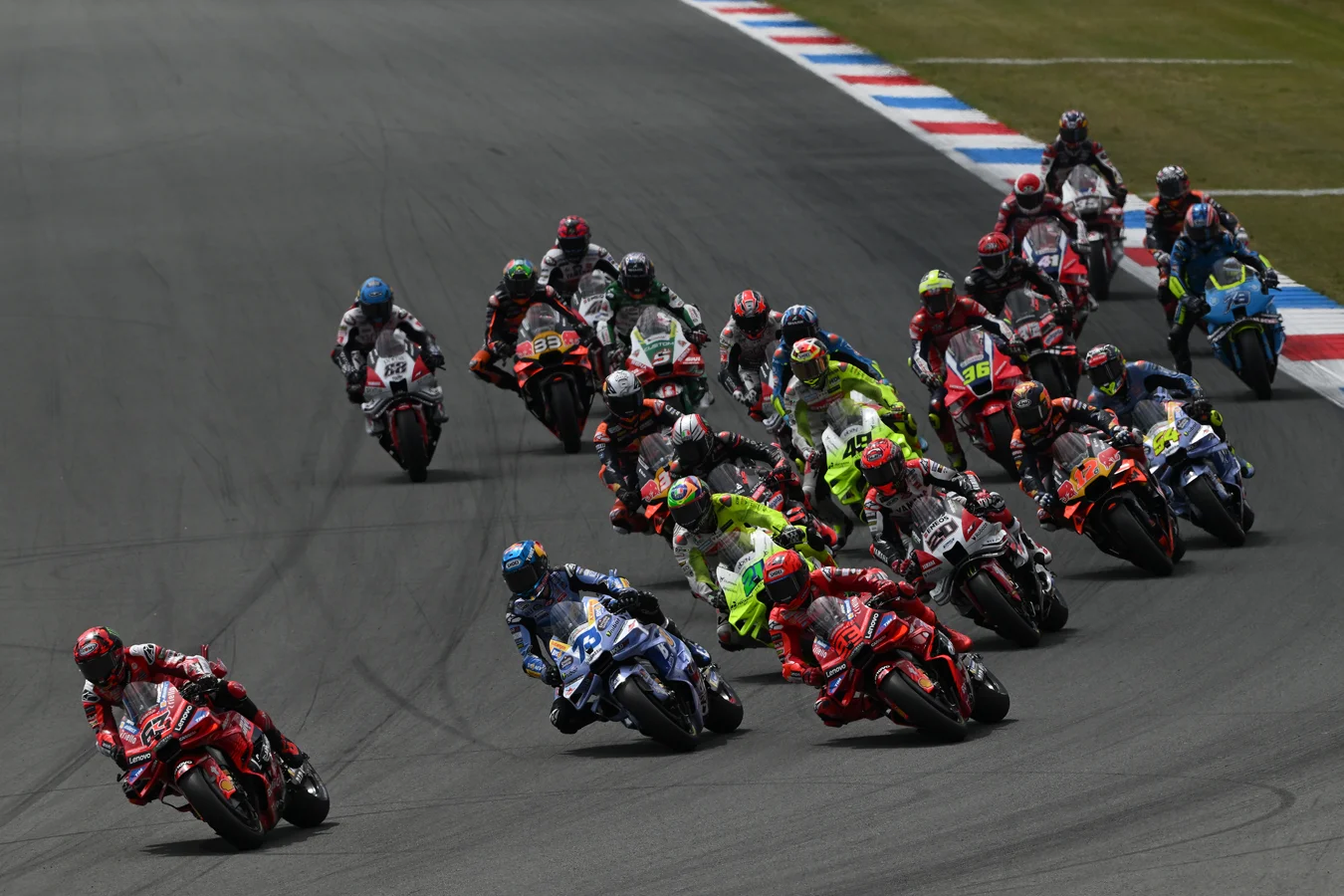
Behind the scenes, data-driven scrutiny of training metrics, telemetry, and pit strategies influences both team decisions and odds-setting. This analytical focus emphasizes long-term performance and mental endurance over mere speed, reflecting a more nuanced view of success in MotoGP.
The Road Ahead: A Transforming MotoGP Landscape
The coming seasons promise one of the most dynamic shifts in MotoGP history, marked by clear trends:
- The average age of front-runners is decreasing, while their mastery of technology and racecraft advances significantly.
- Race strategies increasingly rely on data analytics and simulation tools, enhancing precision and planning.
- Sponsors are investing more in younger riders, supporting their growth to capitalize on emerging star power.
The new generation of riders is defined by speed, daring, and intense concentration, qualities that characterize MotoGP’s future stars. These young athletes are not merely successors to fading legends; they are authors of the sport’s next chapter, blending talent, intelligence, and unrelenting ambition.
Fans, teams, and bookmakers alike recognize that the era of MotoGP dominance by these rising talents has truly begun, promising an exhilarating future for the sport.
Our Reader’s Queries
Q. Why is MotoGP not so popular?
A. Unfortunately, entertainment makes more money than sports, and MotoGP wants to benefit from this trend. However, the current MotoGP lacks exciting personalities to make it engaging.
Q. Has anyone won F1 and MotoGP?
A. John Surtees is well-known for being the only person to win World Championships in both motorcycle racing and Formula 1. He was equally talented and courageous in both sports.
Q. Did F1 buy MotoGP?
A. Now that Formula 1 and MotoGP are managed by the same company, Liberty, it oversees both major international racing leagues. This change impacts how they are governed, their competition, and business plans. Although the European Union approved the merger, concerns continue about it potentially creating a monopoly in the racing industry.
Q. Is F1 faster than MotoGP?
A. At COTA, a Formula 1 car reaches an impressive speed of 205 mph on the back straight. That’s incredibly fast. However, MotoGP bikes go even faster, hitting 221 mph. Despite this, MotoGP laps are around 25 seconds slower than those of Formula 1 cars.
