
The world of motorcycle racing stands at a pivotal crossroads as MotoGP transformation and Superbike opportunity come into sharp focus. With Liberty Media assuming control as majority shareholder of MotoGP, conversations are intensifying about how this shift could spell a resurgence for the Superbike series.
Liberty Media, known for its significant success in Formula 1, recently secured nearly ninety percent ownership of MotoGP. Despite this dramatic acquisition, everyday management remains with Dorna Sports, under the guidance of Carmelo Ezpeleta, who has directed the championship for decades. This leadership continuity means operational changes may emerge gradually, but broader strategic shifts are now inevitable.
Upcoming MotoGP Changes Are Set in Motion
Major changes already loom for MotoGP, even before Liberty Media’s involvement. In 2027, the series will introduce 850cc engines, reduce electronic sophistication, and eliminate certain advanced technologies such as lowering devices and complex aerodynamics. These regulations, established by the manufacturers via the MSMA, stand to alter the technical landscape, keeping the competition accessible and prioritizing racing skill. These reforms distinguish MotoGP from Formula 1, where rules are crafted by teams of highly paid engineers instead of the competitors themselves.
The Influence of Liberty Media’s Sports-Business Model
Liberty Media is anticipated to apply its profitable Formula 1 strategies to MotoGP, aiming to attract high-profile sponsors and expand commercial appeal. Formula 1’s leading partners such as Aramco, Rolex, and Pirelli collectively contribute impressive sums, and projections suggest F1 sponsorship deals could reach $650 million by 2026. In stark contrast, MotoGP has traditionally operated at a far lower financial threshold, making the entry price for future sponsors likely to rise under new leadership.
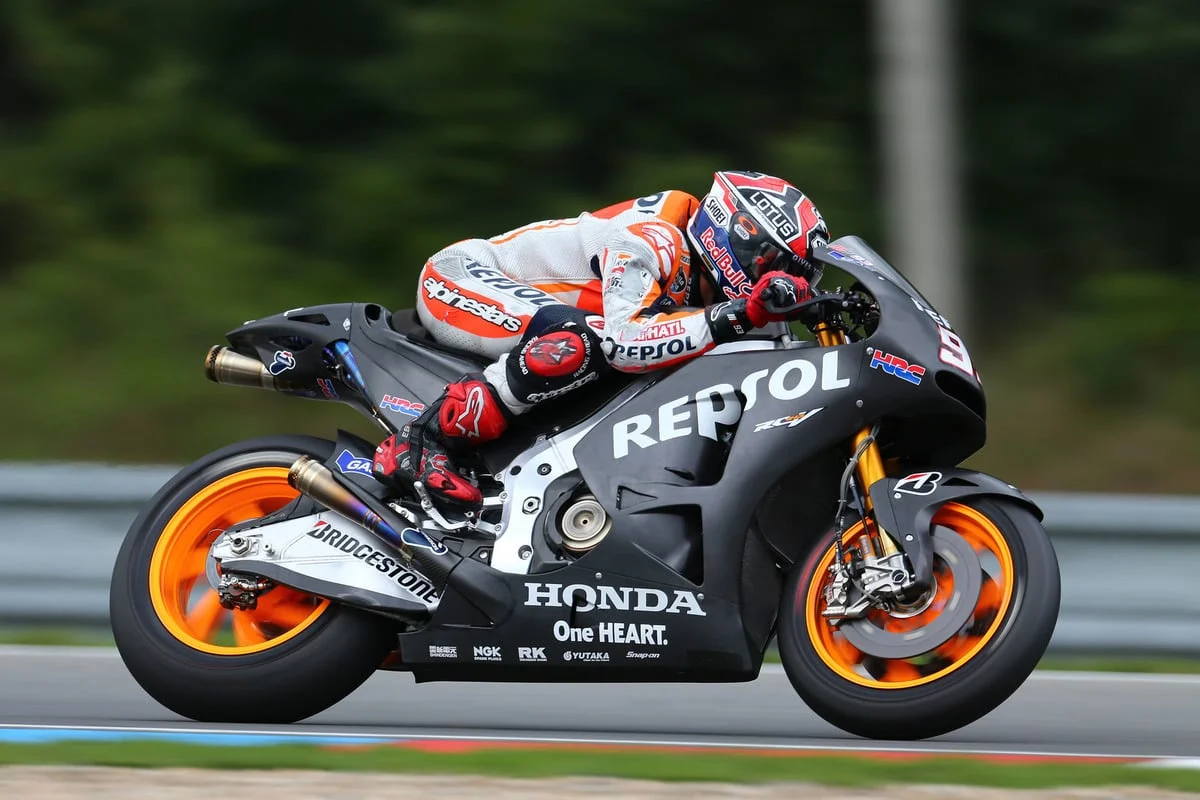
For current partners like Motul, which secured a five-year agreement with Dorna’s preceding management, this heightened financial climate may create challenges. Emerging trends suggest that as MotoGP court larger, more generalist brands—mirroring the shift seen in Formula 1—the traditional motorcycle manufacturers and gear suppliers that long supported the sport could be marginalized. This potential migration away from direct motorcycle industry ties reflects broader changes in sponsor demographics across top-level motorsport.
Superbike Poised for Growth Amid MotoGP Changes
While MotoGP aims for heightened prestige and a more globally recognized appeal, Superbike now has an unprecedented chance to attract brands and sponsors rooted in the core motorcycle community. Unlike MotoGP, Superbike’s accessible sponsorship model and focus on pure motorcycle racing offer an inviting landscape for manufacturers and companies seeking authentic industry engagement.
The evolution underway in MotoGP could produce significant cost inflation, prompting traditional sponsors to reconsider where their resources are best invested. As a result, Superbike may become the preferred platform for those seeking a more direct connection with enthusiasts, competitors, and consumers eagerly following motorcycle racing.
Industry Perspectives and What Comes Next
This period of dynamic transformation raises urgent questions for all stakeholders—competitors, sponsors, and racing fans alike. MotoGP’s drive toward a wealthier image, shaped by Liberty Media’s influence, might inadvertently provide Superbike with the perfect window to expand its footprint among passionate followers and brands within the industry. Should this shift continue, Superbike could emerge as the authentic heart of professional motorcycle competition.
Whether this unexpected opportunity propels Superbike to new prominence remains to be seen, but the changes currently reshaping MotoGP are likely to reverberate throughout the motorsport world. As the saga unfolds, all eyes will remain on both series to see how these rival paths shape the future of motorcycle racing.
