
With the winter break ending and teams making preparations for the 2026 MotoGP season, conversations about MotoGP sponsorship trends have intensified as team announcements surface and sponsor lineups shift. The LCR team recently confirmed both its new team name and title sponsor for Diogo Moreira’s first season in the premier class, sparking new discussions about how the sport attracts funding compared to rivals like Formula 1.
LCR’s New Direction in Sponsorship and Rider Lineup
LCR’s decision to bring in Diogo Moreira, the current Moto2 world champion, has gone against their recent habit of assigning Asian riders to the second seat, which had been linked to Idemitsu sponsorship. With Somkiat Chantra making way for Moreira, the latter will now ride under the support of Pro Honda and showcase a fresh livery distinct from what was seen in the garage last year. The partnership is widely seen as a safe bet and reinforces the connection between LCR and Honda, ensuring strong backing from the manufacturer.
Comparison With Formula 1 and Sponsorship Challenges
Despite securing stable support from manufacturers like Honda, a broader question looms about the lure of MotoGP for high-value title sponsors, especially compared to the sponsorship landscape in Formula 1. While major brands flock to F1, MotoGP often struggles to attract the same level of premium partners, highlighting a gap in the commercial appeal between these global motorsport series.
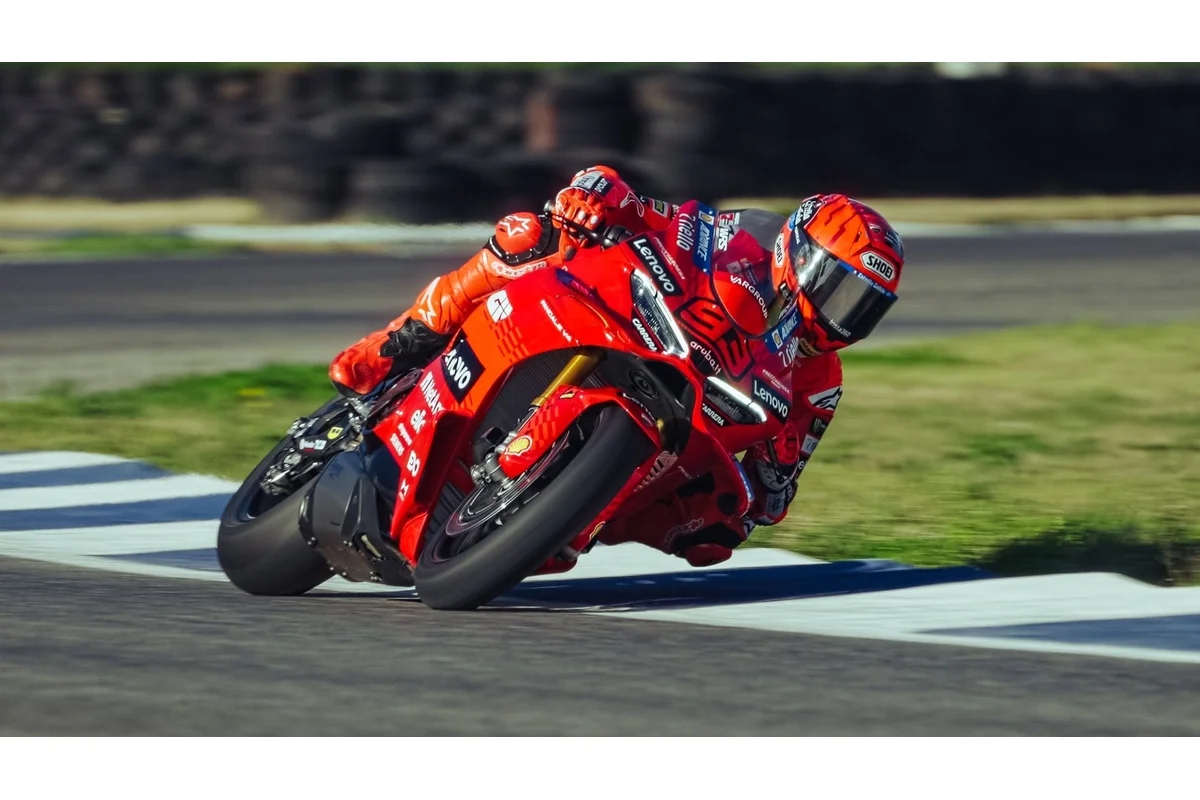
Industry experts and commentators, including those on the recent Crash MotoGP Podcast, have dissected these challenges alongside other stories in the paddock, such as Fermin Aldeguer’s recent injury and Marc Marquez’s return to racing.
The Quest for ‘Aspirational’ Brands and Young Fans
“I think the keyword here is ‘aspirational’,”
said Senior Journalist Lewis Duncan, addressing how MotoGP can draw in new sponsors. Duncan further explained the differences between MotoGP and other leading sports: “Formula 1 has positioned itself over the last five, six years as a very aspirational brand. You look at some of the sponsorship involved there, high-end sponsors, things that young people especially want to engage with. It’s the same with the NFL, with the NBA.
“You look at the celebrities who come along. It’s that type of thing and that means something to younger… ultimately, what you are trying to hook in is the generation with money. I Unfortunately, these things survive off of people willing to pay their money and you want young people with money, who buy into that aspirational lifestyle, buying into it.”
— Lewis Duncan, Senior Journalist
Financial Realities and the Changing Nature of ‘Fandom’
The focus on appealing to wealthier, younger demographics may be leaving some long-standing MotoGP fans feeling excluded. Duncan commented on the ongoing debate about rising ticket prices and access for passionate followers, stating,
“Whether they are ‘true’ fans or not is irrelevant. I see this argument a lot when it comes to ticket prices, [people complaining] about ‘true fans’ being priced out. Unfortunately, in this horrible, capitalist society we live in, a ‘true’ fan is the fan with the deepest pockets.”
— Lewis Duncan, Senior Journalist
Looking Ahead: What’s Next for MotoGP Sponsorship?
As teams like LCR secure reliable partners such as Pro Honda and bring in new talents like Diogo Moreira, MotoGP sponsorship trends will continue to evolve. However, unless the championship can enhance its global image to mirror aspirational brands like those in Formula 1 or the NFL, attracting new streams of sponsorship money will remain a key challenge ahead of future seasons. Industry watchers will be closely monitoring how the series adapts its branding strategy, rider promotion, and fan engagement to lure high-profile, high-value sponsors in a highly competitive sports landscape.
