
The MotoGP winglets evolution has dramatically reshaped the sport, pushing teams to adopt new aerodynamic technology since its introduction in 2015. This shift in engineering has brought both performance advantages and sparked significant debate over safety, costs, and the spirit of close racing.
An Experiment Turns Mainstream: Winglets Enter the Scene
MotoGP winglets began as a bold innovation, first appearing in 2015 when Ducati debuted striking extensions protruding from the front of their race bikes. The main intention was to counteract the intense forces generated by increasingly powerful machines, specifically to increase front-end stability and stop the front wheel from lifting under acceleration. By directing additional downforce onto the front wheel, the winglets let riders accelerate harder as they exited corners.
This technological leap granted those who used it a performance edge but didn’t come without controversy. As more teams started adopting the feature, complaints soon surfaced over cost and the effect these additions could have on rider safety and the integrity of racing.
Pushback and Prohibition: Early Aerodynamic Ban
Some teams voiced frustration over the financial burden linked with the fast-paced development of aerodynamic parts. Meanwhile, both riders and race officials grew concerned over the inherent danger of sharp carbon-fibre elements attached to the bikes. Reports highlighted the risk of injury during crashes or close racing situations. Responding to these worries, the FIM imposed a ban on external winglets in 2016, targeting designs that could lead to accidents and an uneven playing field powered by the largest budgets. The aim was to reset the balance and contain MotoGP’s escalating arms race in technology.
Integration Sparks a New Aerodynamic Era
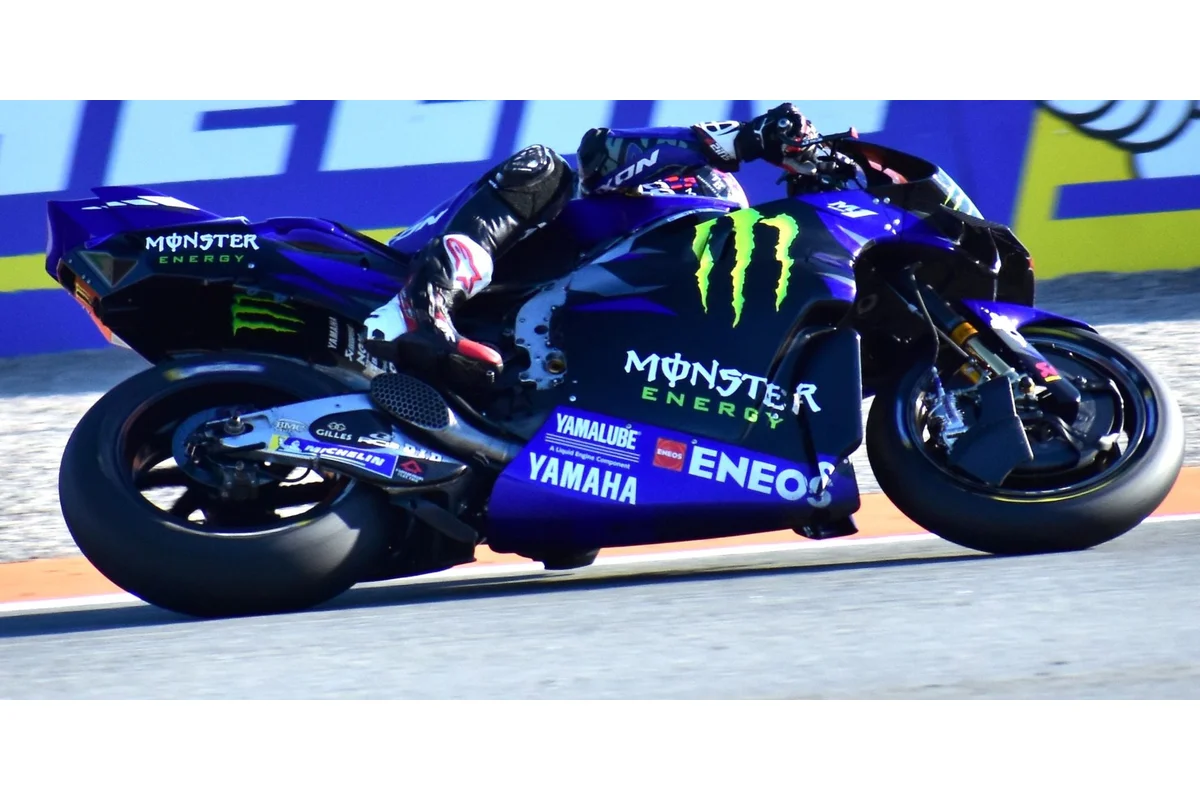
The 2016 prohibition did not halt aerodynamic advancements—it prompted a strategic shift. The rules enacted in 2017 opened the door for teams to continue developing aero aids, so long as they were seamlessly built into the bike’s bodywork, eliminating sharp edges and obvious protrusions. This sparked a complete redesign of modern MotoGP fairings, leading to complex, integrated forms known as ‘aerobodies.’ These bodywork solutions had to follow strict limits on design changes throughout the year, as approved by the FIM, striking a compromise to keep costs down while allowing for continued innovation.
Winglets’ Ongoing Impact on Racing Dynamics
Today’s MotoGP machines incorporate multi-level wing designs, side flow guides, diffusers, and even aero elements along the swingarm, all working to finely tune the airflow around the bike. The advantages for riders are substantial: improved downforce leads to greater stability during heavy braking, more consistent grip out of bends, and a smoother ride at high speeds. By managing airflow so precisely, the bikes have become far more manageable and predictable, contributing to faster lap times and higher track safety margins.
Issues Surface: Aero-Driven Racing Challenges
Despite these advancements, there are notable drawbacks. Many riders feel that while winglets have made bikes quicker, they have also changed race dynamics for the worse. Turbulent ‘dirty air’ generated behind a bike with prominent aero parts disturbs following riders, destabilizing their machines and raising front-tyre pressure. This turbulent airflow can reduce cooling efficiency, creating unpredictable spikes in tyre pressure and degrading grip levels—especially when a rider tries to stay close for an overtake. As a result, wheel-to-wheel racing has sometimes lost its previous excitement, with overtaking becoming riskier and less frequent. Concerns about the purity of MotoGP have grown alongside frustration about how modern aerodynamics can dictate the flavor and fairness of competition.
New Aerodynamic Limits Set for 2027
Addressing this simmering debate, the FIM has published a series of technical rule changes for the 2027 season, placing new restrictions on aerodynamic features. Key updates include reducing the maximum front fairing width from 600mm to 550mm, and moving the furthest point of the bike’s nose approximately 50mm backward. Rear aero part height is also set to shrink by 10cm, with teams only allowed a single update to this area during the season, further discouraging constant redesigns.
The rulemakers’ intent is clear: limit the power of large aero structures, minimize disruptive airflow for trailing bikes, and keep development costs in check. In line with this philosophy, ride-height and holeshot devices—used to alter a bike’s suspension and launch characteristics for an edge—will also be completely outlawed from 2027. The result should be a return to more rider-driven competition, reducing the influence of advanced aerodynamics and returning excitement to head-to-head battles on track. There is hope among fans and many within the paddock that these steps will ease issues with overheated and over-pressured front tyres, reinvigorating close racing, though some observers remain skeptical about whether the measures go far enough.
A Glimpse into MotoGP’s Next Chapter
The evolution of MotoGP winglets has revealed both the possibilities and pitfalls of pushing technological limits in motorsport. As figures like Shameem Fahath have documented, the sport’s governing body, manufacturers, and teams will continue to debate the balance between innovation and fairness. With the FIM orchestrating significant aerodynamic restrictions on the horizon, the direction of MotoGP is poised to emphasize skill over science, with 2027 marking a crucial year for those who crave thrilling, closely fought races.
