
The NASCAR Cup Series has faced criticism from fans following its cautious approach to expanding into Europe, with many comparing its efforts unfavorably to IndyCar’s more aggressive international growth. Recent developments surrounding potential races at Circuit Zandvoort in the Netherlands have intensified debates about <a href="https://www.big14news.com/nascar/”>NASCAR’s global ambitions and the feasibility of a successful NASCAR Cup Series Europe expansion.
While IndyCar continues to broaden its international footprint through expanded European broadcasts and involvement of teams like PREMA Racing, NASCAR’s recent plans, including canceling a scheduled Mexico City race in 2026 due to World Cup conflicts and opting to reinstate a traditional domestic race in Chicagoland, reflect a reluctance to make bold overseas moves. This contrast has drawn significant attention from motorsport audiences questioning the future positioning of NASCAR’s flagship series on the global stage.
Comparison of NASCAR and IndyCar’s Global Strategies
Historically, NASCAR and IndyCar have competed for dominance within American motorsport but have taken distinct approaches to expanding beyond the United States. IndyCar has consistently pushed to secure international venues and increase accessibility worldwide. Currently under Roger Penske’s ownership, IndyCar reaches audiences in over 200 countries through partnerships with broadcasters such as Sky Sports, Ziggo Sport, and Viaplay, as well as streaming options like INDYCAR LIVE. This strategy enhances visibility and engagement with Europeans, further strengthened by the inclusion of PREMA Racing, a respected European open-wheel team set to join the 2025 season.
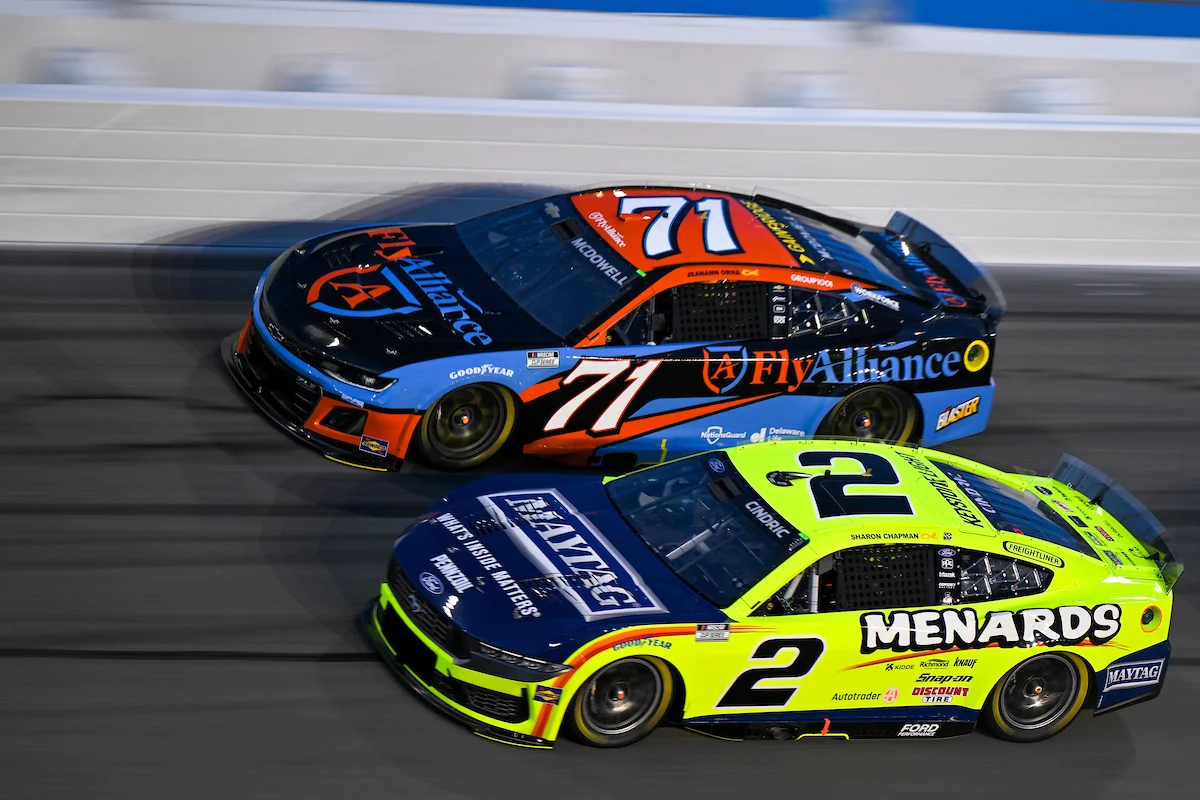
In contrast, NASCAR has predominantly focused on its established domestic circuits. Its recent attempt to host a points-paying Cup Series race outside the U.S. in Mexico City marked a tentative step toward global presence, but the event’s removal from the 2026 schedule in favor of a return to Chicagoland signifies a more conservative approach. NASCAR’s limited experience with international events and a tightly packed existing schedule have raised questions about how the sport plans to grow globally while maintaining its traditional fan base.
Circuit Zandvoort’s Search for New Motorsport Partners
Circuit Zandvoort, which currently hosts the Dutch Grand Prix until 2026 under Formula 1, is exploring alternatives due to the financial risks associated with continuing the F1 contract. The circuit’s management has explicitly considered both IndyCar and NASCAR as candidates to fill the void if Formula 1 departs.
Robert van Overdijk, the circuit’s general director, emphasized the desire to “deliver spectacle and value” through a new series. Given IndyCar’s expanding European broadcast reach and the presence of European drivers, the series appears well-suited to stage an event at Zandvoort. NASCAR, however, faces logistical challenges, a demanding schedule, and limited international exposure, which may complicate efforts to make the track a viable venue for stock car racing. This situation presents an opportunity for IndyCar to enhance its standing in Europe at NASCAR’s expense.
Leadership’s Role and Pressure for International Growth
Steve Phelps, appointed as NASCAR’s first commissioner earlier this year, has highlighted international expansion and strategic growth as key priorities for the organization. Despite these goals, NASCAR’s only recent attempt at global expansion—the Mexico City race—was shelved, signaling potential difficulties in executing an effective global plan.
In contrast, IndyCar’s established connections with international drivers and teams, coupled with expanding media access, position it well for further European ventures. This growing disparity has not gone unnoticed by fans, many of whom debate whether NASCAR risks losing ground to its American rival in the global motorsport arena.
Fan Reactions Highlight Skepticism and Challenges for NASCAR
Fans on platforms such as Reddit have voiced a mixture of curiosity and concern about NASCAR’s ability to thrive internationally, especially in Europe. Many worry about practical challenges, ranging from weather conditions to the suitability of European tracks for stock car racing.
Several fans pointed out the clash between NASCAR’s preference for dry, stable racing conditions and the notoriously unpredictable weather in the Netherlands. One sarcastic comment summed it up:
NASCAR and Dutch weather, a match made in heaven.
The remark underscores doubts that rain and variable conditions could disrupt NASCAR events far more than other series accustomed to such climates.
Another significant observation highlights IndyCar’s advantage in Europe due to its diverse driver lineup featuring many Europeans with Formula 1 experience. One user remarked,
IndyCar makes way more sense considering how much of the field is European.
Drivers like Alex Palou, Marcus Ericsson, and Romain Grosjean enjoy recognition and fan loyalty in Europe, giving IndyCar a natural market edge that NASCAR currently lacks.
Some fans suggest NASCAR should build its European presence gradually through the NASCAR Euro Series before attempting to introduce the Cup Series overseas. One user proposed,
I could potentially see the NASCAR Euro Series trying some races there to test the waters on the appeal of the sport.
This approach could allow NASCAR to assess interest without the financial and logistical risks of taking the flagship series abroad prematurely.
Practical concerns about finances and broadcasting also surfaced prominently among fans. One commenter raised serious doubts about the viability of a European Cup race, noting:
I have to wonder what’s NASCAR’s plan to operate internationally.
NASCAR is a series that typically runs late Sunday night or Monday morning for most of the world, so viewership will always be fleeting… I don’t see anyway it is financially viable for any parties.
The analysis highlights mismatched time zones for live broadcasts, the costs of moving personnel and equipment overseas, and NASCAR’s relatively low brand recognition in Europe, making sustained success difficult without significant investment.
Additional critiques focused on the track itself, with one blunt fan comment stating,
Zandvoort? Not sure a stock car could even make a full lap around a track that tight.
NASCAR vehicles are heavier and designed for different track types, and Zandvoort’s technical layout, well-suited for lighter open-wheel cars, might not showcase stock cars effectively or produce the excitement expected by fans.
Implications for NASCAR’s Future on the International Stage
The discourse among fans reflects a broader tension within NASCAR as it contemplates how to grow internationally while preserving its core identity. The NASCAR Cup Series Europe expansion faces considerable hurdles, including financial risks, scheduling conflicts, vehicle suitability, and brand awareness. Fans largely agree that any successful move must combine competitive, high-quality racing with sustainable growth strategies tailored to new markets.
With IndyCar positioned to capitalize on European opportunities due to its existing infrastructure, driver connections, and broadcast reach, NASCAR must strategize carefully if it hopes to regain momentum on the global motorsport stage. How the series balances its ambitions with the realities of logistics, financial constraints, and fan expectations will likely determine whether NASCAR becomes a more prominent international player or remains predominantly domestic.
