
The Kyle Busch controversy Texas incident remains a lightning rod in racing circles, resurfacing after NASCAR icon Ron Hornaday Jr. revisited the infamous 2011 clash at Texas Motor Speedway. As debate reignites fifteen years later, the incident’s aftermath continues to cast a shadow over Busch’s polarizing legacy and ongoing career challenges.
Ron Hornaday Jr. Breaks Silence on the Texas Clash
Kyle Busch’s NASCAR journey has rarely lacked drama, often fueled by on-track confrontations and outspoken moments, which have both driven his success and cemented his reputation for controversy. The 2011 Texas Motor Speedway episode, however, stands out as one of the sport’s most debated flashpoints. Now, NASCAR legend Ron Hornaday Jr. has revisited the incident, challenging Busch’s account and sharing his own vivid recollection of events.
Reflecting on the Friday night race, Hornaday did not hesitate when asked what he would change about that heated encounter with Busch. His conviction after all these years remains unmistakable.
“Nothing…. I was hauling my car back to the pits as I knew I had to get it fixed. As soon as I hit the brake to turn left to get in there, he hooked me.”
– Ron Hornaday Jr., four-time Truck Series champion
During the early laps of the NASCAR Truck Series race, Hornaday and Busch found themselves squeezed into a risky three-wide maneuver with Johnny Chapman on the inside. As the trucks got loose and banged doors, a brush with the wall brought out the caution flag. But what happened next is the reason this moment is still embedded in NASCAR lore.
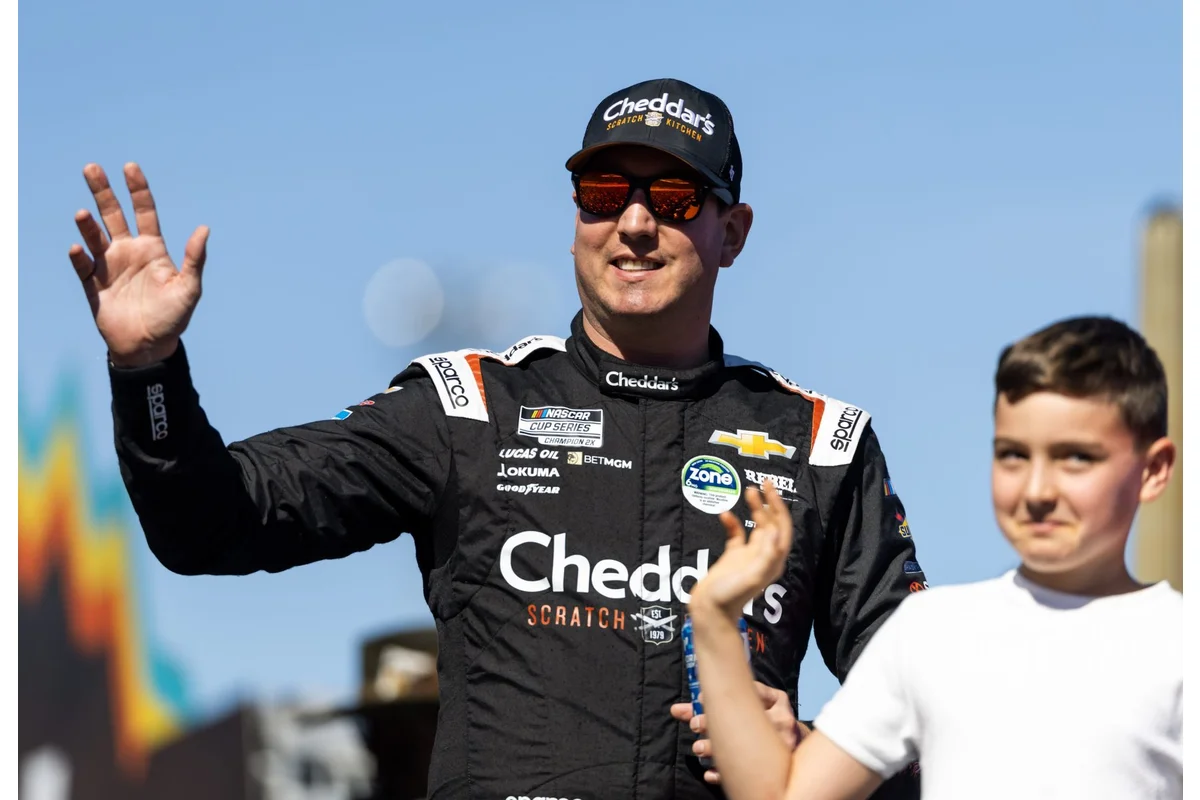
Just fourteen laps into the event, following the initial contact, Busch lined up directly behind Hornaday. Ignoring the yellow, Busch pushed Hornaday’s No. 33 truck down the straight, ultimately sending him violently into the outside wall and ending his race. Both trucks sustained heavy damage, but for Busch, the repercussions were immediate and far-reaching. NASCAR officials promptly parked him for the remainder of the race, later handing down suspensions from additional Nationwide and Cup Series events scheduled that weekend.
In the heated aftermath, Hornaday made his anger crystal clear.
“He knew I was there. … He just drove me into the fence.”
– Ron Hornaday Jr., four-time Truck Series champion
The backlash was significant, sparking heated discussion among fans, teams, and officials. Busch responded by issuing a rare public apology in the days that followed, fully accepting responsibility for his actions.
“I want to sincerely apologize for my actions during Friday night’s Truck Series race at Texas. NASCAR officials had to act, and I accept their punishment and take full responsibility for my actions. I’d also like to apologize to Ron Hornaday Jr, and everyone associated with the #33 team in the Truck Series.”
– Kyle Busch, NASCAR Cup Series driver
Yet, for Ron Hornaday Jr. and many within the racing community, the echoes of that night have not faded. His refusal to change his position underscores why the Texas incident has become a frequent reference point in debates about racing etiquette and Busch’s legacy.
The Lasting Impact of the Texas Incident on Busch’s Reputation
The dramatic Texas Motor Speedway crash is not Kyle Busch’s only brush with controversy, but it arguably had the most lasting influence on how fans and fellow drivers perceive him. The incident has become a cautionary tale about aggressive driving’s fine line in NASCAR’s competitive environment. For Busch, who had already built a résumé packed with victories and championships by 2011, the event marked a turning point that followed him long afterward.
The intensity of the fallout was amplified by the consequences imposed by NASCAR officials, reinforcing the organization’s intolerance for deliberate wrecks, especially under yellow. For fellow drivers like Ron Hornaday Jr., who lost a chance at a championship that night, the memory is enduring and painful. The Texas wreck became a pivotal chapter not just in Busch’s story, but in the wider conversation about how the sport police’s driver conduct amid high-stakes competition.
This notorious moment regularly resurfaces during discussions about Busch’s achievements or when issues of sportsmanship arise in contemporary NASCAR races. Fans, commentators, and insiders alike continue to cite the Texas incident as a pivotal example of the sport’s ongoing struggle to maintain a balance between fierce competition and responsible driving.
Busch’s Elusive Quest for Daytona Glory Looms Over 2026 Season
Even as the Kyle Busch controversy Texas incident endures in popular memory, the driver known as “Rowdy” faces a different kind of challenge in 2026. Despite an illustrious career that includes two Cup Series championships, multiple crown-jewel victories, and dominance across all national series, one major achievement has remained out of reach: a victory in the Daytona 500.
For nearly twenty years, Busch has chased victory in NASCAR’s most prestigious event. His record includes several close calls—three top-five finishes and a runner-up in 2019—but fate, crashes, and race-ending caution flags have thus far denied him the coveted trophy. As Busch approaches his 20th attempt, parallels are being drawn to NASCAR icon Dale Earnhardt, who endured nearly two decades of similar frustration before finally conquering the Daytona 500 on his nineteenth try. Earnhardt’s emotional triumph in the 1998 edition remains a testament to perseverance, something Busch fans hope he can emulate.
But 2026 brings added proof of a career at a crossroads. Busch’s current deal with Richard Childress Racing expires at the end of the season, and a recent lack of strong results adds uncertainty to his future. Since last winning at the 2023 Enjoy Illinois 300, Busch has struggled to recapture playoff form, leaving observers to wonder whether this season might shape the latter stages of his NASCAR journey.
A long-awaited breakthrough at Daytona—or any other major win—could alter the narrative and reignite his competitive fire. Without a return to the front, however, questions about his legacy and place in the sport could grow louder, with the shadow of past controversies—like the notorious Texas incident—never far away.
Why the Texas NASCAR Crash Still Resonates
The 2011 Texas Motor Speedway clash between Kyle Busch and Ron Hornaday Jr. offers more than just a moment of high-octane drama—it remains a defining episode in NASCAR’s modern history. Its continued relevance lies in the unresolved emotions of those directly involved, the broader debates it inspires about competitive boundaries, and its lasting consequences on the careers it touched.
For Hornaday, the memory is as raw as ever, demonstrating how a single night altered the trajectory of a championship fight and became central to his story as a four-time Truck Series champion. Busch, meanwhile, must reconcile prolific on-track accomplishments with moments that make him one of the most polarizing figures in the sport. The incident continues to shape conversations about sportsmanship, risk-taking, and the unpredictable nature of rivalry in NASCAR’s biggest moments.
As Busch faces pivotal questions in 2026—both about capturing his elusive Daytona 500 win and securing a future beyond his current team—the controversy from Texas remains a touchstone. Its resonance is a reminder that, in NASCAR, both triumphs and mistakes can define a legacy for years to come.
