
NASCAR officials expressed strong frustration with Joey Logano after his spin late in the Daytona race triggered a caution, a moment captured accidentally by new communications technology during the event. Bubba Wallace’s spotter, Freddie Kraft, revealed this unexpected incident on the Door Bumper Clear podcast on Monday, highlighting how NASCAR‘s recently implemented system exposed the officials’ reactions.
New Communications System Exposes Officials’ Reactions
To address previous communication problems with caution flags, NASCAR introduced a new digital radio system designed to improve clarity between race control and the spotters. According to Freddie Kraft, this device works exceptionally well, delivering crystal-clear audio from race officials directly to spotters during the race.
So we have a new device that we use to scan race control for the spotters,
Kraft explained.
And it is clear as day. It sounds like (race control’s) Jusan (Hamilton) is sitting next to you talking to you. It’s great. The other officials don’t have it, like on the racetrack, whoever’s on pit road or some of the clean-up trucks, they don’t have the same thing, so it sounds like your normal radio.
However, the system’s superior audio quality also revealed a problem. The device captured background conversations in race control that were not intended for public or team ears, including officials reacting harshly when Logano spun in the closing laps of the race.
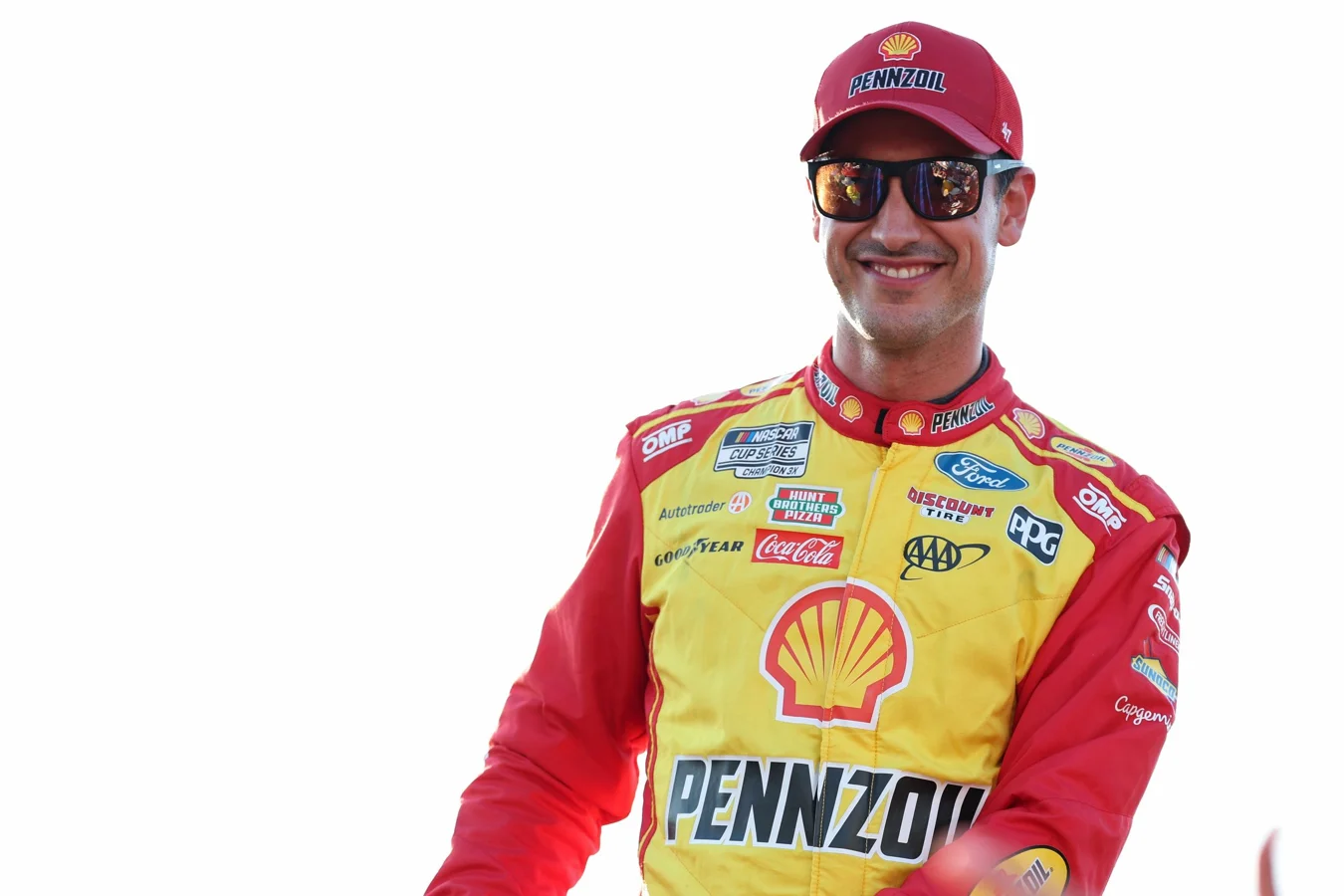
The problem with it is you can also hear, it’s so good that you can also hear some of the stuff that’s going on behind Jusan. And when Logano spun and he kind of drove back up onto the racetrack you could hear some people in the background that were not very happy with him. And used some choice words I can’t repeat because we have sensors on these shows sometimes.
Logano’s Spin and the Caution at Daytona
Joey Logano’s late-race spin at Daytona, which left him stuck in the infield grass, forced a caution with fewer than 40 laps remaining. NASCAR officials typically prefer to minimize cautions, as they interrupt the race flow and can affect the product for viewers and participants alike. While Daytona did not experience many cautions late in the race, this particular incident was significant due to Logano being in the lead at the time.
Kraft’s Insight into the Technology and Its Flaws
Freddie Kraft provided further explanation about why NASCAR adopted the new equipment and outlined some drawbacks that need attention before future races. The improved system was developed to solve a critical issue with hearing caution flags clearly on the radio, a situation that has posed safety concerns throughout the season.
We might have to retool that so we can’t hear everything in that room. But it was funny to hear,
Kraft said, adding a description of the device’s design.
I wish I could tell you the name of it. It’s just like a belt pack that you guys use on pit road, but now it’s like an intercom system I think. I haven’t used it yet because I’m superstitious and we had it at Indy and I didn’t use it at Indy and we won. So the other night I didn’t use it because I thought maybe we would win again. Just wrecked the whole field. So I haven’t used it, but it gets rave reviews from the spotters of how clear it is, the tower.
Kraft described recurring difficulties with the existing digital radios, particularly with how caution flags are announced. Occasional overlaps and unclear statements can cause spotters and drivers to miss critical information like when a caution is officially out.
NASCAR issues us a digital radio at the beginning of the year that has race control in it that we’re supposed to use,
Kraft added.
And we’ve had issues hearing caution flags. I don’t know what it is, when they hit the button and they key up to say, ‘put it out,’ something gets overlapped where you don’t hear ‘put it out.’ So the yellow’s out and you don’t know it.
So we’ve been trying to come up with something different to fix that and this is the next step in that process. But it’s clear as day and maybe it’s a little too clear.
Future Adjustments Anticipated for the Communication System
The inadvertent capture of officials’ frustration with Logano underscores a larger challenge NASCAR now faces. While the new system improves clarity, it also risks exposing private conversations, potentially affecting officials’ behavior and communications moving forward. NASCAR officials will likely consider modifying the technology so that only essential information to spotters is transmitted clearly, without background chatter.
This incident at Daytona serves as an important reminder of the balance between technological innovation and operational privacy in high-pressure racing environments. Officials’ responses to critical moments are now more transparent than ever, which may influence both communication practices and NASCAR’s approach during future events.
