
Haas driver Oliver Bearman has openly condemned Alpine’s “incredibly harsh” decision to drop rookie Jack Doohan from their Formula 1 lineup just five races into the 2025 season. The Australian driver was sidelined following the Miami Grand Prix last week, replaced by reserve driver Franco Colapinto for the next five rounds. Despite remaining part of the Renault-owned team, Doohan’s future behind the wheel remains uncertain as Alpine cited his lack of points and inconsistent performances in an already uncompetitive car as reasons for the drastic change.
Bearman’s critique came during the Imola race weekend, where he expressed sympathy for Doohan’s difficult situation and called Alpine’s move unfair. As a fellow rookie navigating the complexities of his maiden F1 season, Bearman empathized with the struggles Doohan has faced on unfamiliar circuits, especially with four out of six races being held on tracks new to both rookies and two involving sprint formats, which add extra pressure. He said,
Doohan is the son of MotoGP legend Mick Doohan and joined Alpine amid high expectations, but the jump to Formula 1 has proven extremely challenging. Alpine’s decision reflects the team’s frustration with the 22-year-old’s inability to climb out of the midfield pack or score points, yet many in the paddock, including Bearman, argue that such a quick verdict denies Doohan crucial time to develop.
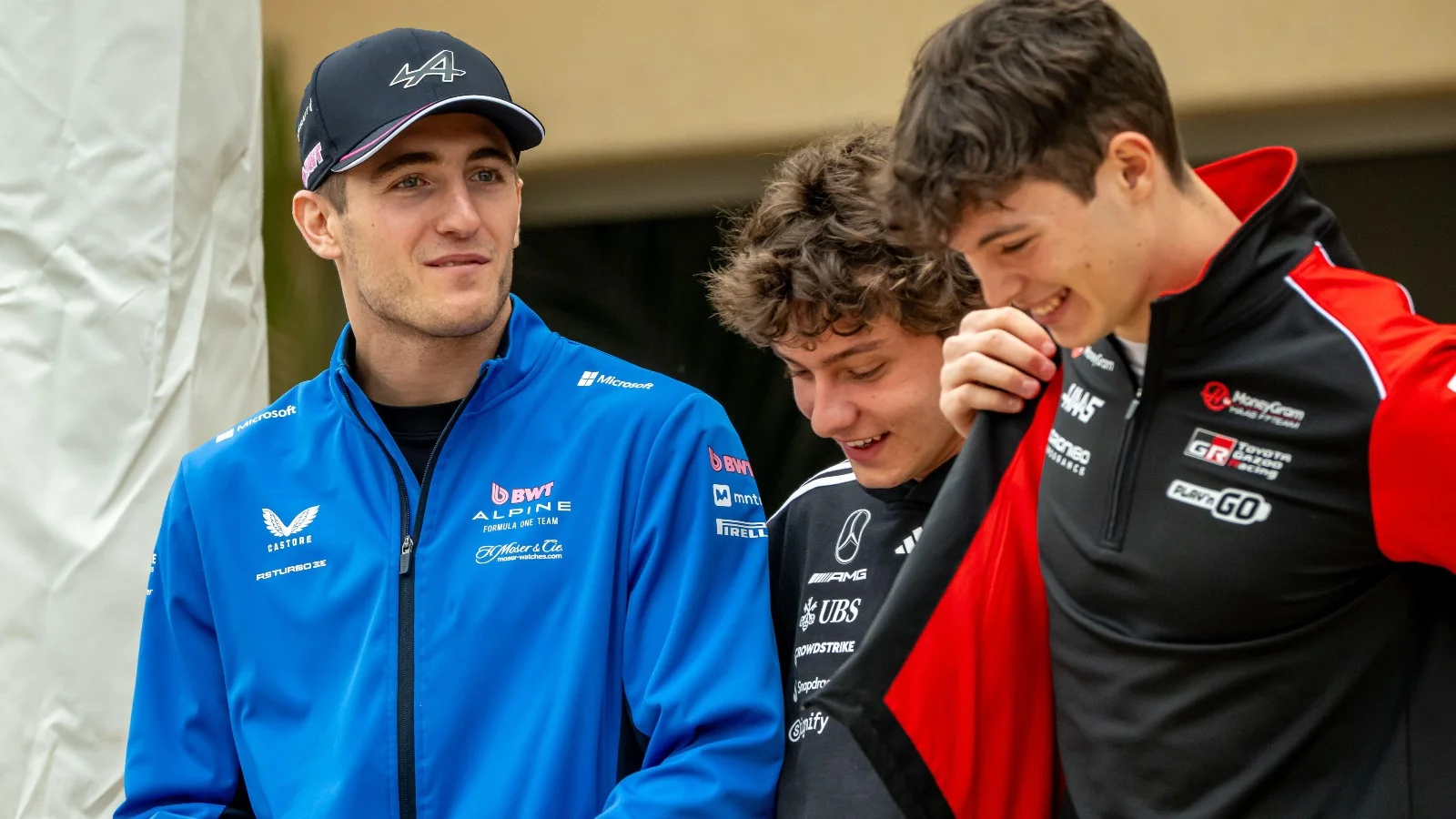
Racing Bulls driver Isack Hadjar also weighed in on the controversy, describing Doohan’s exit as premature. Having witnessed harsh treatment of young drivers firsthand, including the recent demotion of Liam Lawson at Red Bull after just two races, Hadjar noted the differences in expectations between top teams and midfield outfits. He said,
Hadjar added that Doohan entered the season carrying heavy pressure, which did not create an ideal environment for growth.
he explained.
Liam Lawson, who has driven only 11 grands prix prior to 2025, expressed support for Doohan’s potential return to Formula 1. Acknowledging how ruthless the sport can be, Lawson emphasized that Doohan had already done enough to warrant his place in F1.
he stated.
This situation highlights the harsh reality for rookies trying to establish themselves in a fiercely competitive sport where opportunities are limited and expectations sky-high. Alpine’s decision to sideline Doohan so early might signal a short-term desire to improve results, but many fear it could stunt the development of a promising talent. If teams continue to prioritize immediate performance without allowing time for rookies to adapt, it could discourage young drivers outside the top teams from flourishing in Formula 1.
As the season progresses, attention will remain on whether Doohan can reclaim his seat or find success elsewhere, while the wider debate on nurturing new talent within F1 teams persists. Oliver Bearman’s pointed criticism has brought urgent focus to the pressures faced by rookies and the need for teams like Alpine to reconsider how they manage emerging drivers in such a high-stakes environment.
