
The FIA stewards’ decision to overturn Carlos Sainz’s penalty at the Dutch Grand Prix, following a Right of Review filed by Williams, is expected to prompt increased challenges in the future. This ruling, which took place after the summer break at the Zandvoort circuit, is sparking debate within Formula 1, as teams and principals react to its implications for race governance and competitive fairness.
Alan Permane, principal of the Racing Bulls team that was indirectly impacted by the incident involving Sainz and Liam Lawson, expressed concerns about the precedent this sets. He believes that the outcome could open the door for more reviews, potentially changing how race incidents are handled and prompting closer scrutiny of decisions made during races.
How the Sainz Incident and FIA Review Unfolded
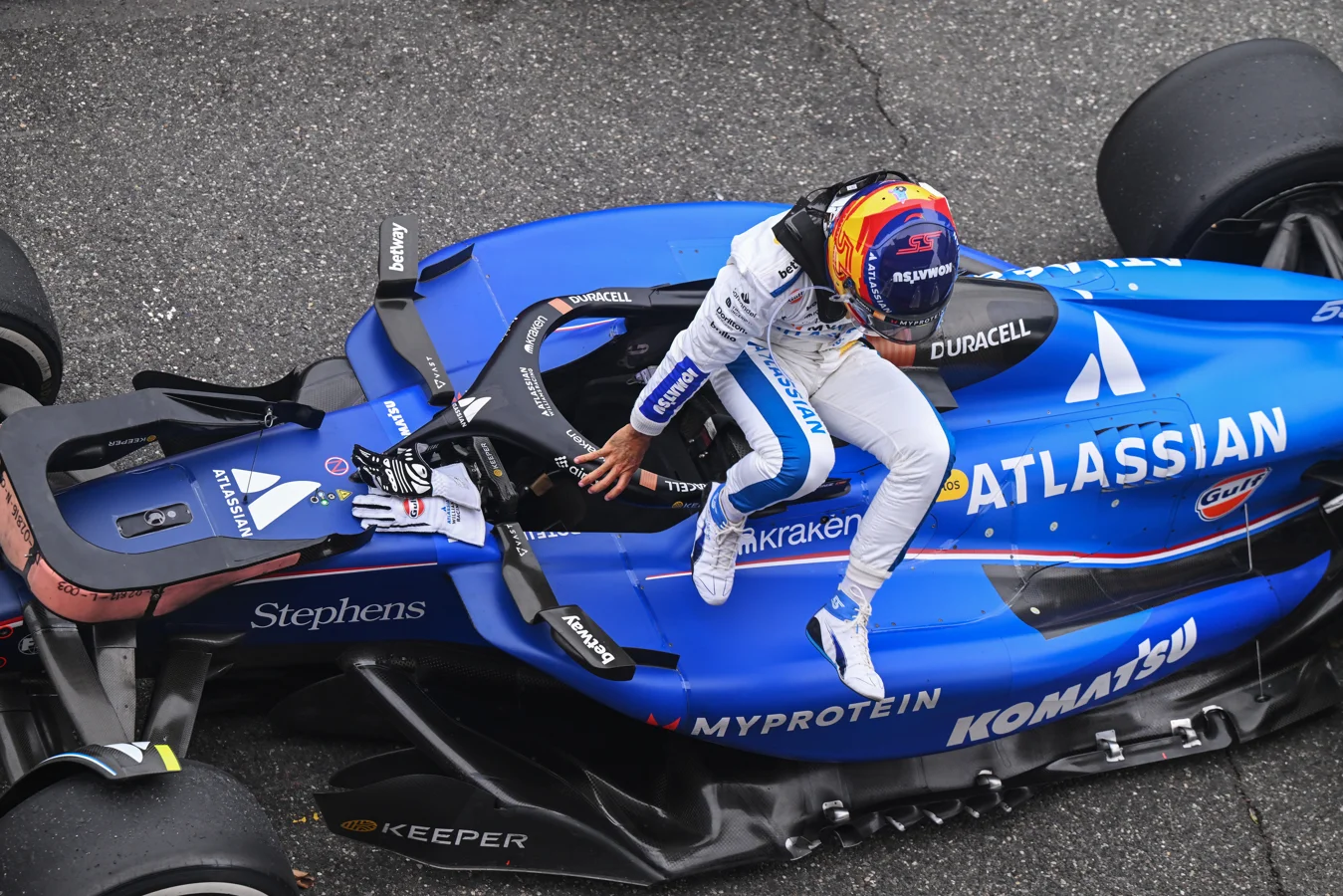
During the Dutch Grand Prix, Carlos Sainz made an aggressive move on Liam Lawson heading into Turn 1, resulting in contact between the two drivers’ cars. Both suffered damage that forced them to drop to the back of the field for repairs. Initially, Sainz was handed a 10-second penalty, which excluded him from the top 10 finishers, and two penalty points were added to his racing license.
Following these events, Williams exercised their Right of Review, emphasizing new evidence from Sainz’s testimony, which was not available during the race stewards’ initial consideration. The FIA stewards withdrew the penalty points but were unable to reverse the time penalty retroactively.
Permane remarked on the significance of the process:
I guess it will open the door to more challenges, I think,
Alan Permane, Racing Bulls principal. He further added,
But for a Right to Review, you need to supply some new, significant, and relevant evidence and I think one of the things they accepted was that Carlos didn’t have a chance to talk. So his testimony was new evidence. If you make a decision in the race, you’re automatically going to have that as a chance to challenge it.
He emphasized the desire for closer, more exciting racing rather than rigid enforcement that leads to processions:
So if it does just open that up a little bit and mean that Carlos could be alongside there, I think everyone will welcome that. We don’t want cars driving into each other, but we also don’t want a procession, do we?
Perspectives from Team Leadership on the Review Process
Jonathan Wheatley, principal of Sauber and former sporting director at Red Bull, where he played a pivotal role in appeals and protests, welcomed the decision as reinforcing the fairness of the review system. Wheatley pointed out that the threshold for overturning decisions through protests, appeals, and Right of Reviews is intentionally high to maintain sporting integrity.
He explained,
Protests, appeals, and Right of Reviews — they’re a fundamental part of the sport, and they’re very important.
Wheatley outlined that meeting stringent criteria is essential for a review to be upheld, saying,
So I think what that tells you, fundamentally, is that all of those criteria — that very strict set of criteria — was met.
Wheatley also highlighted the importance of racing freedom, stating that the team principals collectively support this principle:
It’s absolutely paramount to the sport that the drivers are free to race, and one of our slogans is ‘let them race’ in the team principals’ group. We’re trying to support that.
He praised the on-track action resulting from Sainz and Lawson’s battle, noting,
So I think it’s good. That was a great bit of on-track action, and it feels to me like the right decision was made in the Right of Review process.
Implications for Formula 1 Racing and Future Stewards’ Decisions
The overturning of Carlos Sainz’s penalty at the Dutch Grand Prix may signal a shift in how race incidents are adjudicated, especially concerning the use of the Right of Review process. This decision could encourage more teams to challenge race penalties if they can provide new evidence or argumentation, potentially leading to more dynamic and less predictable stewarding outcomes.
While this move aims to foster closer racing and better overtaking opportunities by allowing drivers to compete more freely, it also raises concerns among some principals about increased disputes and perceived inconsistencies in enforcement. Alan Permane’s comments underline this tension, reflecting a balance between encouraging hard but fair racing and maintaining order on the track.
With key figures such as Jonathan Wheatley supporting the review system as a necessary and positive aspect of Formula 1 governance, the sport’s regulatory environment appears poised for more active engagement from teams in post-race processes. This is expected to influence how stewards approach similar incidents in upcoming races at circuits such as Azerbaijan and the British Grand Prix at Silverstone.
This development situates the FIA, drivers like Carlos Sainz and Liam Lawson, and team principals such as Permane and Wheatley at a crossroads where technological review tools and team strategies will increasingly intersect, impacting race outcomes and championship battles in the future.
