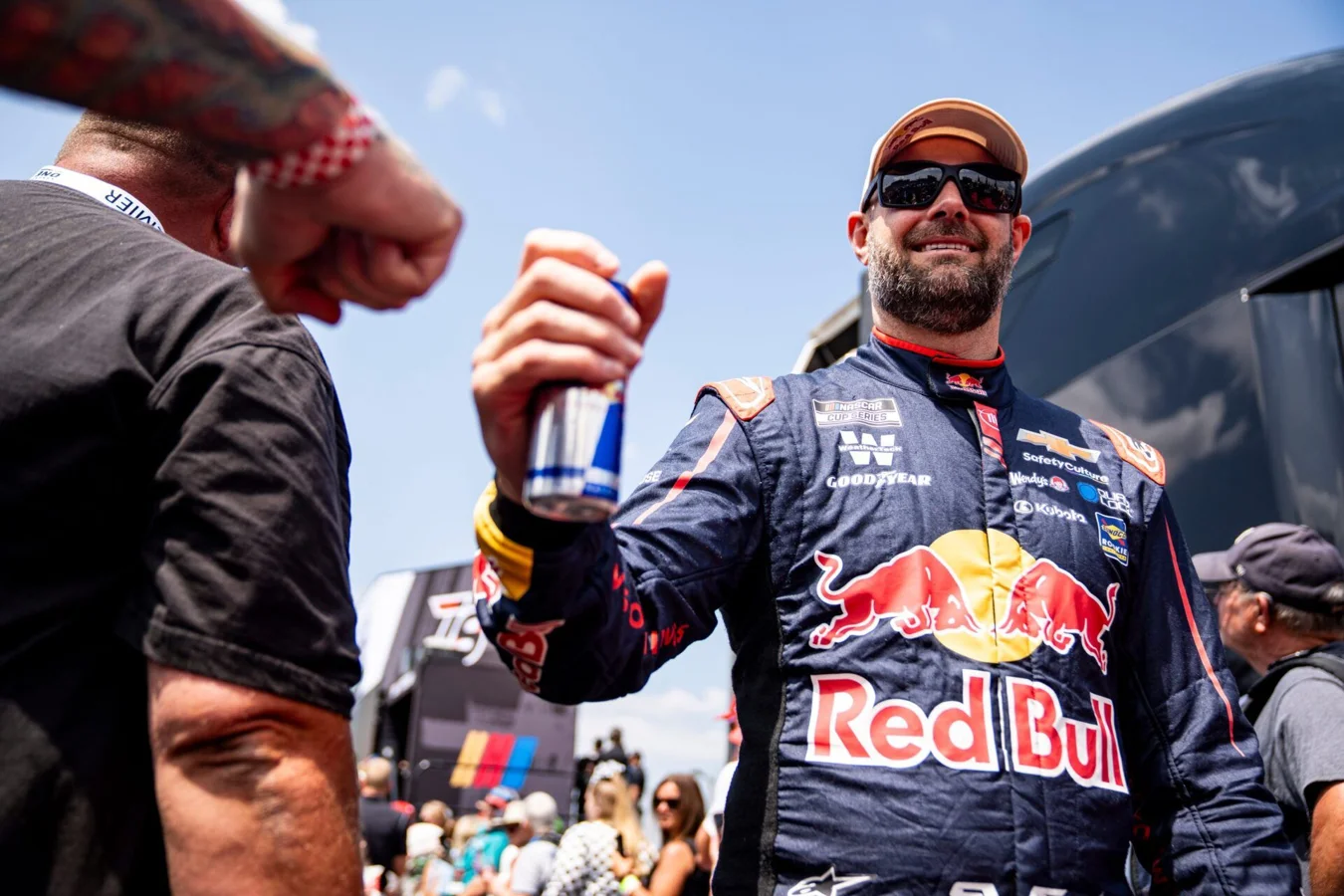
Ross ChastainNASCAR qualifying struggles have become a focal point for Trackhouse Racing as the 2025 season progresses. Known for his relentless driving style and memorable victories, including his stunning win at the 2025 Coca-Cola 600, Chastain has recently faced difficulties securing strong starting positions. Since his breakthrough performance at Charlotte, where he overtook William Byron late in the race from a backup car starting deep in the field, Chastain’s momentum has slowed. With only two top-10 finishes in subsequent events, questions about his consistency have surfaced, prompting Trackhouse co-owner Justin Marks to address the situation and outline potential solutions.
Chastain’s rise in NASCAR was built on determination and aggressive racing, gradually elevating him from smaller teams to national prominence. His alliance with Trackhouse Racing has raised his profile significantly, with moments of brilliance that earned him a reputation as a fierce competitor. However, a recurring issue has emerged this season—his qualifying performances have lagged, with average starting positions in the low 20s. This challenge limits his ability to maximize race-day success and threatens his playoff prospects as the campaign advances.
Justin Marks Identifies the Core Issue Behind Qualifying Woes
Justin Marks, co-owner of Trackhouse Racing, has publicly pinpointed qualifying as the crucial problem undermining Ross Chastain’s performance. He praised the No. 1 car’s crew as
Image of: Ross Chastain
“a very, very talented group of people; very motivated… and working very hard.”
But Marks did not shy from acknowledging the team‘s struggle to post competitive qualifying results on Saturdays.
“We do have to get better on Saturdays.”
He emphasized the difficulty Chastain faces when forced to start far back in the pack.
“If we qualify 28th, it’s just so hard to pull yourself out of that.”
Despite the challenges in qualifying, Marks acknowledged the team’s resiliency during races.
“We’re able to make lemonade out of lemons a lot more often than not.”
Still, the inability to secure strong starting spots has prevented the team from building consistent momentum across race weekends, stunting their ability to fully capitalize on Chastain’s race pace and strategic prowess.
Strategic Focus on Improving Qualifying Performance
To turn the tide, Marks outlined a focused plan designed to enhance the team’s qualifying competitiveness. Central to the strategy is improving efficiency and pace right from the initial practice sessions, aiming to get
“the one team off the hauler faster in practice.”
This would enable the crew to fine-tune qualifying setups more effectively and secure better pit stall selections, which are critical for race-day advantages.
The objective is for Chastain to startraces closer to the front, an improvement that would let him dictate race tempo and broaden tactical options. Current statistics underscore this need: Chastain boasts one win, nine top-10 finishes, and an average race finish of 16.4, but struggles with an average starting spot of 21.6, revealing his potential when starting position aligns with his driving talent.
With the playoffs approaching, consistent qualifying performance is vital. Trackhouse Racing recognizes that depending on dramatic late-race moves alone is not a sustainable path to a championship. Enhancing qualifying results could transform Chastain from a driver who fights through traffic into a serious title contender. The coming weeks will reveal if the team’s adjustments translate into stronger starts and improved overall results.
Current Status and Future of Project 91 Amid Trackhouse’s Evolving Priorities
Alongside concerns about qualifying, Trackhouse Racing’s ambitious Project 91, launched in 2022 to bring international talent into the NASCAR Cup Series, has seen a slowdown. The initiative gained early success with Kimi Raikkonen’s stint at Watkins Glen and Shane van Gisbergen’s unexpected victory in Chicago last year, boosting the team’s profile worldwide and attracting new sponsorship.
However, as Trackhouse expands to field three full-time Cup cars, resource allocation has tightened, causing Project 91 to take a backseat this season. Justin Marks reaffirmed his commitment to the program despite its reduced activity, calling it
“near and dear to my heart.”
He stressed that Project 91… is not dead, but noted its current low priority ranking as “number 85 on the list.”
The challenge of running extra cars and managing full-time campaigns was particularly evident at Daytona, which Marks described as
“really, really tough this year to take four cars there.”
While Project 91’s momentum has paused, Marks emphasized its value for the sport, sponsorship opportunities, and talent development.
“I love Project 91… I think it’s important for the sport… We’ve been able to do big sponsorship deals… great talent,”
he said, highlighting the initiative’s future potential once the team can refocus resources.
Though temporarily sidelined, Project 91 remains a strategic asset, with discussions ongoing about reviving it when Trackhouse’s bandwidth permits. Its continuation will depend on how the team manages its growing commitments and maintains performance levels across full-time entries while keeping open doors for international drivers.
Looking Ahead: The Path Forward for Ross Chastain and Trackhouse Racing
Ross Chastain’s struggles in qualifying have spotlighted a challenge that affects not only his personal success but also Trackhouse Racing’s overall championship ambitions. With playoff qualification contingent on consistent top finishes, improving his starting position is crucial to unlocking his full potential. Justin Marks’s candid assessment and the team’s targeted plan reflect a hopeful, determined approach to overcoming this hurdle.
The duo’s longstanding relationship, built on mutual respect and openness, bodes well for navigating these difficulties. Marks’s acknowledgment of his team’s talent and drive, paired with the willingness to acknowledge shortcomings, shows Trackhouse’s resilience and focus on growth. As playoff battles intensify, their ability to convert qualifying improvements into race wins and sustained form could redefine their season trajectory.
Meanwhile, the status of Project 91 illustrates the balancing act within the organization, weighing immediate competitive needs against longer-term growth strategies. The potential revival of this program represents an optimistic outlook for the future of Trackhouse Racing beyond this season’s challenges.