
Ross Chastain’s inconsistent 2025 NASCAR season has left many fans puzzled as he alternates between winning major events like the Coca-Cola 600 and fading into the middle of the pack. Dale Earnhardt Jr. attributes these erratic results not to Chastain’s driving skills but to challenges within Trackhouse Racing and the complexities of NASCAR’s Next Gen cars.
Analyzing the Ups and Downs of Chastain’s Season
On his Dale Jr. Download podcast, Dale Earnhardt Jr. dissected the unpredictable nature of Chastain’s 2025 performances. He emphasized that this feast-or-famine pattern isn’t unique to Chastain but is a widespread issue among teams adjusting to the demands of the Next Gen vehicles. According to Earnhardt Jr., the evolving car design has created a highly variable competitive field where teams struggle to maintain consistent speed from race to race.
Earnhardt Jr. described the troubling trend at Trackhouse Racing, reflecting fans’ frustrations with the team’s inability to sustain a steady run of strong finishes. He explained,
“They’ll go, in my mind, you know, half a dozen races where they’re just not in the conversation. They’re just another, you know, team out there grinding it out in the middle of the pack, and then show up and be the best car and win. And then ideally go back to where they were for the next six weeks,”
highlighting the volatility Trackhouse Racing faces throughout the season.
Organizational Challenges Beyond Driver Performance
Dale Earnhardt Jr. and journalist Jordan Bianchi pointed to Trackhouse’s overall performance issues, noting that even Chastain’s teammate Daniel Suarez’s 30th place standing in points signals deeper problems within the team. Their insights suggest that the inconsistency stems largely from the team’s inability to field fast cars regularly, rather than flaws in driving talent.
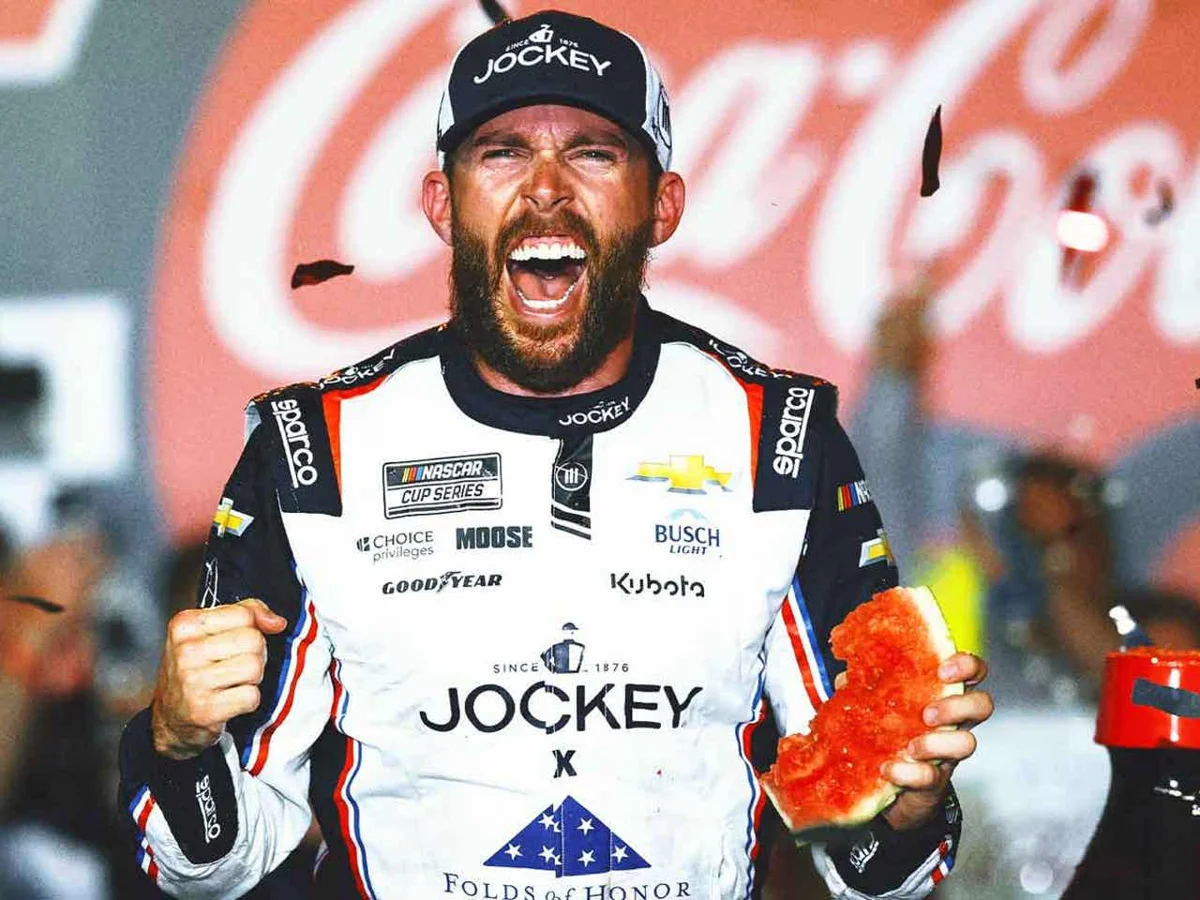
Both Earnhardt Jr. and Bianchi acknowledged Chastain’s growth as a driver, dismissing previous criticisms about his aggression and impatience on the track. Bianchi stated plainly,
“He is not making mistakes on the racetrack. For so long, the conversation about Ross was, he crashes too much, he runs well, he’s too impatient. That kind of things. We’re not saying that anymore,”
underlining Chastain’s maturity behind the wheel.
The Core Issue: Speed Deficits at Trackhouse Racing
The crux of the problem remains that Trackhouse Racing has struggled to provide Chastain with the consistent speed necessary to compete week after week. While Chastain has demonstrated he can capitalize when given a fast car, the team’s frequent performance dips have led to a frustratingly uneven season. Earnhardt Jr.’s analysis suggests the focus for 2025 and beyond must be on improving Trackhouse’s technical execution to support its drivers fully.
As NASCAR continues adapting to the Next Gen era’s challenges, teams like Trackhouse will need to find ways to stabilize their competitiveness. The pressure is on for Trackhouse to turn the rollercoaster season around if they want to maximize the potential of drivers like Ross Chastain and secure stronger results moving forward.
