
At the Daytona International Speedway, Ryan Blaney delivered an exceptional performance to capture a thrilling NASCAR Cup Series victory, overcoming a 12th-place position with just two laps remaining. By strategically partnering with Cole Custer and capitalizing on the chaos ahead, Blaney surged past Justin Haley to win in a dramatic four-wide photo finish, highlighting his resilience and skill. This Ryan Blaney Daytona masterful win preserved critical playoff dynamics and intensified the excitement surrounding the postseason.
The significance of Blaney’s win extends beyond just the victory itself; it directly influenced the playoff picture, keeping Alex Bowman’s chances alive through points qualification. Heading into the final lap, five of the six leaders were drivers needing a win to secure playoff spots, none of whom ranked inside the top 20 in season points. Had one of these underdogs claimed the victory, the playoff format’s credibility would have faced severe criticism from fans frustrated with its structure.
Joe Gibbs Racing veteran Denny Hamlin addressed this scenario during a recent episode of his podcast, humorously praising Blaney for “doing God’s work” by winning and maintaining the playoff system’s legitimacy. The thrilling narrative and quality of the race, Hamlin noted, hinged on the No. 12 car’s success, rather than an unexpected underdog triumph.
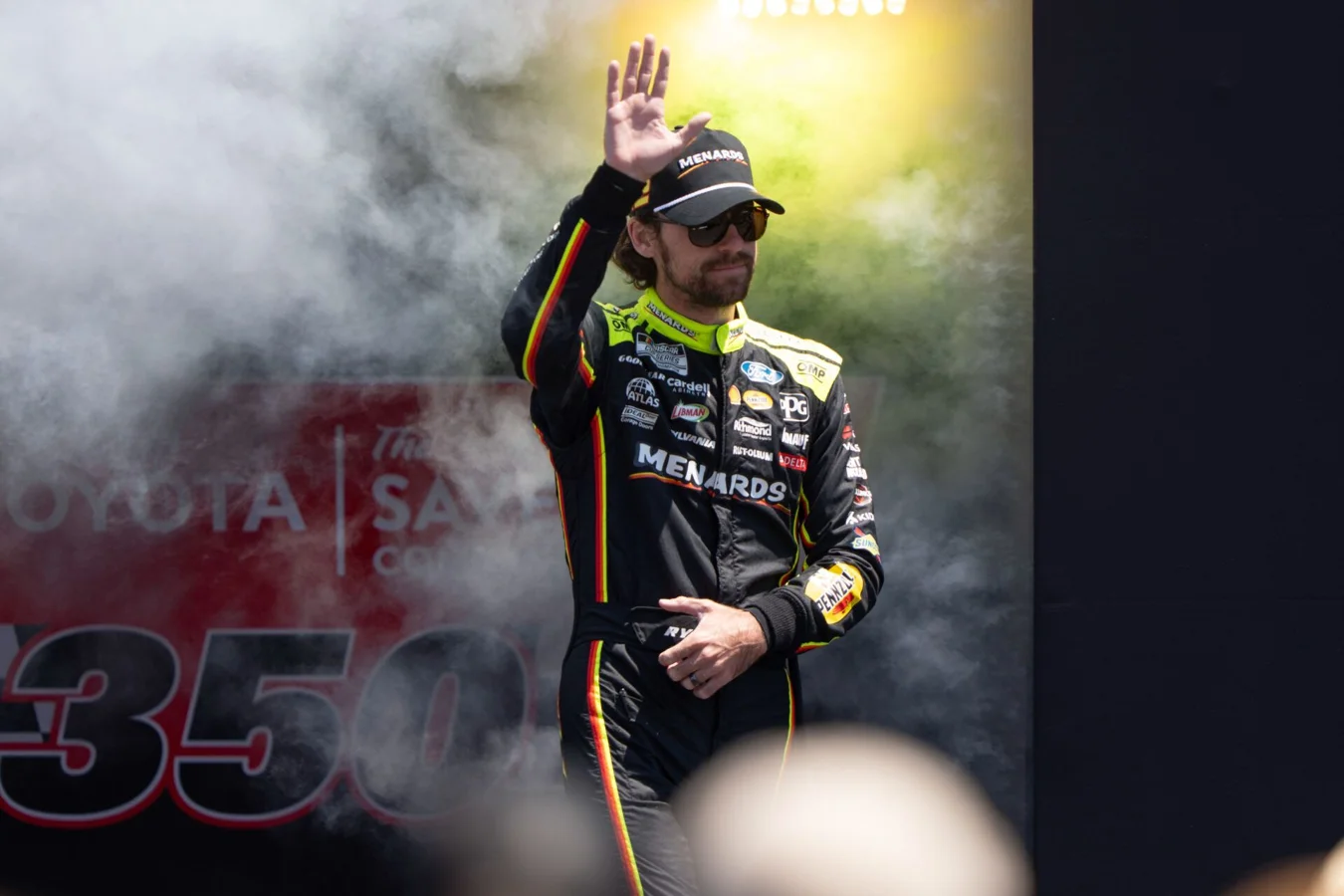
We’ve been talking about the playoffs — the whole playoffs and the format. Ryan Blaney was out here doing God’s work. I mean, everyone he was racing was like 30th in points. How different would the narrative have been if Cole [Custer] or Justin [Haley] had won versus Blaney? I mean, we’re talking about how great the racing was, and it was.
—Denny Hamlin, Joe Gibbs Racing veteran
The veteran racer reiterated his typical criticism of the new car design, which he has often found underwhelming in terms of race quality. However, he acknowledged that last week’s race was an exception to this trend, largely because an underdog did not cross the finish line first, allowing the sport to showcase competitive racing with its top contenders.
We’re critical most times on this podcast, but we also got to give it to do when the racing was good. At the end of that race, it was good racing. But it’s just — oh man, we were one more big underdog away from fans just going absolutely berserk.
—Denny Hamlin, Joe Gibbs Racing veteran
How Denny Hamlin Broke Down Ryan Blaney’s Victory Strategy
On the same podcast episode, Denny Hamlin dissected the factors that led to Blaney’s remarkable comeback from outside the top ten, especially considering the challenges posed by NASCAR‘s next-gen race cars in heavy traffic. Hamlin credited Blaney’s success to his patient approach, allowing him to pick moments carefully and avoid unnecessary risks while maneuvering through the pack. This patience enabled Blaney to respond effectively to openings created by the unpredictable chaos on the track.
He was masterful in being patient. What I saw was he was very patient and if you notice, he didn’t make a whole lot of moves. He allowed others to make moves and then he just held steady. He knows who his help is. His spotter’s doing a good job telling him who’s behind him. At the time I think it was the 99 that was pushing him.
—Denny Hamlin, Joe Gibbs Racing veteran
Blaney’s understanding of race dynamics was evident, especially as he recognized that the top lane was the fastest route on the track that day. Even when the racer ahead shifted lanes to block competitors, Blaney maintained his course, mirroring the style that helped Hamlin himself dominate superspeedway events in previous years. By capitalizing on the impatience of his rivals, Blaney steadily advanced and seized the prime opportunity to claim the lead at a crucial moment.
The Impact of Blaney’s Win on the Playoff Landscape
The implications of Blaney’s Daytona triumph are significant for NASCAR’s playoff narrative. By preventing a non-playoff regular from winning, Blaney’s victory preserved the competitive integrity of the postseason, supporting drivers who have consistently performed throughout the season. This outcome likely enhanced fan engagement and upheld the excitement surrounding the playoffs, as it avoided a scenario where unexpected winners might have sparked widespread discontent with the format.
Looking ahead, Blaney’s win raises expectations for the intensity and unpredictability of upcoming races. His ability to patiently navigate traffic and make decisive moves under pressure demonstrates the kind of racing that fans and competitors alike appreciate. Meanwhile, commentators like Denny Hamlin will continue monitoring how the next-gen cars influence race strategy, with Blaney’s performance serving as a benchmark for skill and composure.
As the playoffs progress, Ryan Blaney’s masterful Daytona win will be remembered as a defining moment that balanced excitement with fairness, helping to ensure the postseason remains thrilling and competitive.
